
Landscaping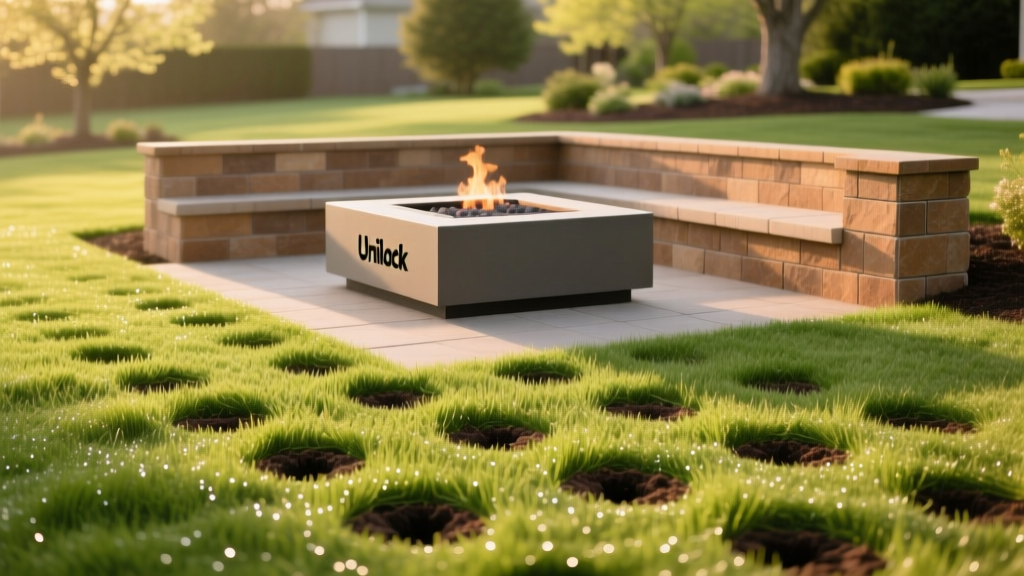
2026 Unilock Fire Pit Pavers & Lawn Core Aeration Guide
Robert HayesPublished
Designing the ultimate outdoor living space in 2026 means seamlessly blending elegant hardscaping with a vibrant, healthy lawn. One of the most sought-after landscape features this year is a custom fire pit area surrounded by premium Unilock pavers and a matching retaining seating wall. However, while homeowners often focus entirely on the aesthetics of the stone and the warmth of the fire feature, the health of the surrounding turf is frequently compromised during construction. This is where the science of core aeration becomes your most valuable landscaping tool.
Installing heavy pavers, moving tons -pallets of stone, and foot traffic severely compact the soil in the transition zones of your yard. In this comprehensive 2026 guide, we explore how to integrate core aeration into your Unilock fire pit installation timeline to ensure your lawn remains lush, deeply rooted, and perfectly framed against your new hardscape.
The Intersection of Hardscaping and Turf Health
When you install a Unilock fire pit and seating wall, you are fundamentally altering the drainage, microclimate, and soil structure of your yard. The "transition zone"—the 3 to 5 feet of lawn immediately bordering your new paver surround—is highly vulnerable. According to the University of Minnesota Turfgrass Science program, soil compaction is the number one enemy of turfgrass root development, reducing pore space and choking off oxygen and water to the roots.
Core aeration—the process of mechanically removing small plugs of thatch and soil from the lawn—is the ultimate antidote to construction-induced compaction. By strategically timing your aeration before and after your Unilock hardscape installation, you protect your landscape investment.
Planning Your Unilock Fire Pit and Seating Wall
Before discussing dirt and grass, we must establish the hardscape footprint. For a premium 2026 fire pit area, landscape architects highly recommend the following Unilock materials:
- Seating Wall: Unilock Brussels Dimensional Stone or Rivercrest Wall. These provide a natural, rustic look with the durability needed for retaining soil and supporting seating weight.
- Paver Surround: Unilock Richcliff or Courtstone pavers. Richcliff offers ultra-high-density concrete with a natural flagstone texture, while Courtstone provides an old-world cobblestone aesthetic perfect for circular fire pit patterns.
- Fire Pit Kit: The Unilock Sunset Stone Fire Pit kit, which includes a steel insert liner to protect the pavers from extreme heat degradation.
The installation of these materials requires a crushed stone base, geotextile fabrics, and polymeric sand. The staging of these heavy materials on your lawn is where soil compaction begins, making a core aeration strategy mandatory.
Phase 1: Pre-Installation Core Aeration
Most homeowners wait until a project is finished to think about lawn care. This is a mistake. If you are planning a spring or early summer installation of your Unilock fire pit, you should perform a deep core aeration on the surrounding lawn the previous fall or at least 4 weeks before heavy machinery arrives.
Building a Compaction-Resistant Root System
Core aeration pulls 2-to-3-inch soil plugs from the ground, leaving holes that allow air, water, and nutrients to penetrate the root zone. When paired with deep-rooting turfgrass seed or compost topdressing, aeration encourages roots to grow deeper into the soil profile.
| Soil Condition | Turf Root Depth | Survival Rate Under Construction Traffic |
|---|---|---|
| Highly Compacted (Un-aerated) | 1 - 2 inches | Poor (High risk of turf death) |
| Moderately Aerated | 3 - 4 inches | Fair (Will require heavy post-install repair) |
| Deep Core Aerated + Topdressed | 5 - 8+ inches | Excellent (Resilient to staging and foot traffic) |
By establishing a 6-inch root system prior to the delivery of your Unilock Brussels Dimensional Stone, the grass can withstand the temporary weight of pallets and the foot traffic of the hardscaping crew without completely suffocating.
Phase 2: Managing the Installation and the Transition Zone
During the installation of your Unilock paver surround, the contractor will excavate 7 to 9 inches of soil for the base aggregate. The edge where the excavation meets the lawn is critical.
Installing Proper Hardscape Edging
To protect the lawn and the pavers, ensure your installer uses a rigid, heavy-duty restraint edge or a poured concrete collar hidden beneath the sod line. If the pavers shift outward over time due to frost heave or seating wall pressure, they will crush the adjacent turf roots. A stable Unilock edge ensures the transition zone remains a clean, 90-degree angle, making future lawn maintenance and aeration significantly easier.
Pro Tip: Ask your contractor to lay down heavy-duty turf protection mats in the staging areas where pallets of Unilock Richcliff pavers and wall blocks will be dropped. This distributes the weight and minimizes the immediate crushing of the soil pores.
Phase 3: Post-Installation Core Aeration and Restoration
Once the fire pit is built, the polymeric sand has cured, and the seating wall is sealed, it is time to address the collateral damage to the lawn. Even with protective mats, the soil in the surrounding 10-foot radius will be compacted.
The Post-Hardscape Aeration Protocol
- Wait for Settlement: Allow 2 to 3 weeks after installation for the hardscape base to settle and the lawn to recover from any immediate physical tearing.
- Flag the Perimeter: Use small landscaping flags to mark the exact edges of your new Unilock pavers and any hidden irrigation heads near the seating wall.
- Run the Core Aerator: Use a walk-behind core aerator (rentable from most local equipment centers). Run the machine over the transition zone in two perpendicular passes. Crucial: Keep the aerator tines at least 2 inches away from the Unilock paver edge to prevent chipping the stone or destabilizing the base aggregate.
- Leave the Plugs: Allow the extracted soil plugs to break down naturally over the next two weeks. They contain valuable micro- that will help break down thatch.
Overseeding and Topdressing the Edges
aerating, the holes are prime real estate for new grass seed. In 2026, turf-type tall fescue blends remain the gold standard for high-traffic transition zones due to their deep rooting and drought tolerance. Apply a high-quality seed mix into the aeration holes, followed by a light topdressing of screened compost. The compost will work its way into the aeration holes, permanently improving the soil structure right up to the edge of your new fire pit.
Maintaining the Microclimate Around Your Fire Pit
A Unilock fire pit and seating wall create a unique microclimate. The stone retains heat long after the fire is extinguished, and the hardscape surface reflects sunlight, increasing the ambient temperature of the adjacent grass.
Watering the Transition Zone
Because of this radiant heat and the impermeable nature of the paver surround, the grass immediately next to the seating wall will dry out much faster than the rest of the yard. According to experts at Penn State Extension, targeted, deep watering is essential for turf bordering hardscapes. Adjust your irrigation system to provide an extra 10-15% of water volume to the zones immediately bordering the Unilock pavers to compensate for the heat island effect.
Annual Aeration Schedule
To maintain the pristine look of your outdoor living space, incorporate core aeration into your annual fall landscaping budget. Because the area around a fire pit experiences heavy foot traffic from guests walking between the seating wall and the lawn, the soil will naturally re-compact over the course of a year. An annual aeration, combined with careful string-trimming along the Unilock edges, will keep the border sharp and the turf thick, preventing weeds from invading the paver joints.
Conclusion: A Holistic Approach to 2026 Landscaping
Building a fire pit area with a Unilock paver surround and seating wall is a significant investment in your home's value and your family's enjoyment. However, a beautiful hardscape is only as good as the landscape that frames it. By viewing your project through the lens of soil health and utilizing core aeration both before and after installation, you ensure that your lawn remains a vibrant, emerald-green carpet that perfectly complements your premium stone features. Don't let soil compaction ruin your outdoor oasis—plan your aeration strategy today and enjoy a flawless landscape for decades to come.

