
Landscaping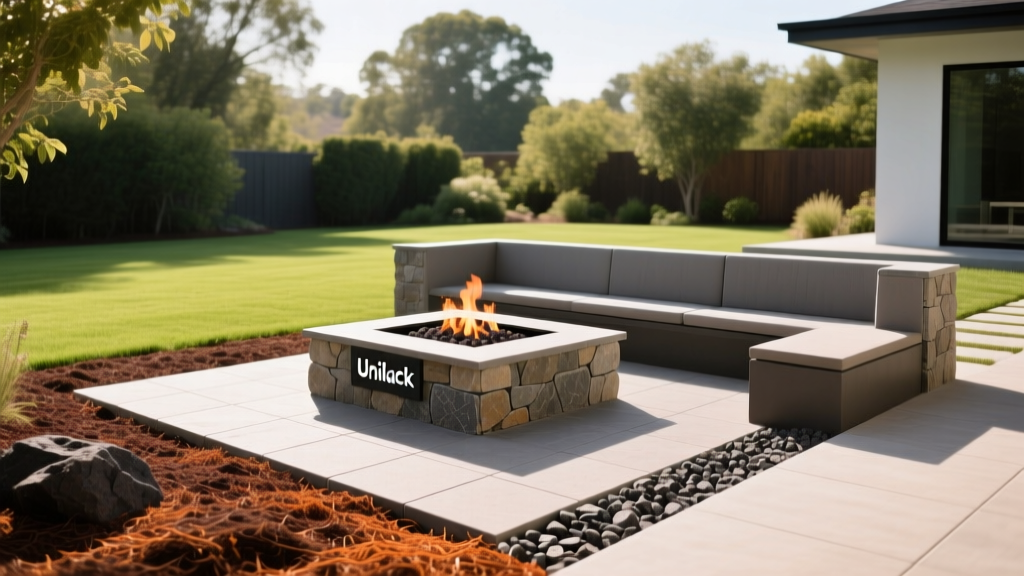
Top Mulching Methods for Unilock Fire Pit Pavers in 2026
Emily WatsonPublished
Elevating Your Unilock Fire Pit Surround in 2026
As we navigate the 2026 outdoor living season, the integration of premium hardscaping with thoughtfully designed softscaping has become the gold standard for residential landscaping. A centerpiece of many modern backyards is a custom fire pit area featuring a Unilock paver surround and a matching seating wall. Whether you have installed the sophisticated Brussels DimensionStone, the sleek Lineo Dimensional Stone, or the rustic Thornbury pavers, the hardscape is only half the battle. The transition zone between your Unilock pavers and the surrounding garden beds is where the magic happens, and proper mulching methods are critical to both the aesthetics and the structural longevity of your investment.
Mulching around a fire pit and seating wall is not as simple as dumping wood chips near the patio edge. It requires a strategic approach that addresses fire safety, drainage, weed suppression, and visual contrast. In this comprehensive guide, we will explore the best mulching materials and step-by-step installation methods tailored specifically for Unilock paver fire pit surrounds in 2026.
The Critical Role of Mulch in Hardscape Transitions
The perimeter of your Unilock fire pit patio serves multiple functional purposes. First, it acts as a visual frame that highlights the intricate textures and colors of your pavers. Second, it serves as a drainage buffer, ensuring that runoff from adjacent soil does not wash mud and debris over your pristine hardscape. Finally, it provides a safety zone. According to the National Fire Protection Association (NFPA), outdoor fires and flying embers pose a significant risk to nearby combustible materials, making the choice of mulch immediately surrounding your fire pit a vital safety consideration.
When dealing with Unilock seating walls, which are often constructed using specialized wall blocks and Universal Pillar Caps, moisture management is paramount. Improper mulching techniques, such as piling organic matter directly against the base of the wall, can trap moisture. This leads to efflorescence (a white, powdery residue), freeze-thaw damage in colder climates, and the premature degradation of the polymeric sand used in your paver joints.
Fire-Resistant Mulching: Safety Meets Aesthetics
Because your Unilock paver surround is built to withstand the intense heat of a fire pit, the immediate softscape border must share similar fire-resistant properties. In 2026, landscape architects heavily recommend a 'zoned' mulching approach for fire pit areas.
Zone 1: The Immediate Fire Pit Perimeter (0 to 5 Feet)
Within a five-foot radius of the fire pit and the inner edge of the seating wall, you should exclusively use inorganic, non-combustible mulch materials. Flying embers can easily travel several feet on a breezy evening, and landing on dry hardwood bark or pine straw can ignite a dangerous ground fire. Inorganic options like river rock, lava rock, and decomposed granite provide a beautiful, modern contrast to Unilock pavers while guaranteeing peace of mind.
Zone 2: The Outer Garden Beds (5+ Feet)
Beyond the immediate splash zone of the fire pit, you can transition to high-quality organic mulches. Organic mulches, such as shredded hardwood or cedar, break down over time to enrich the soil and support the health of surrounding trees and shrubs. The Arbor Day Foundation emphasizes that proper organic mulching retains soil moisture and regulates temperature, which is essential for the mature plantings that provide privacy around your outdoor living space.
Material Comparison: Inorganic vs. Organic Mulches
Selecting the right material depends on your budget, maintenance preferences, and the specific Unilock paver color you have chosen. Below is a 2026 comparison chart of the most popular mulching materials used in luxury hardscape transitions.
| Mulch Material | Fire Resistance | Est. Cost (per Sq Ft) | Drainage Profile | Best Unilock Paver Pairing |
|---|---|---|---|---|
| Black Lava Rock | Excellent | $1.10 - $1.50 | High | Avante (Onyx Grey) or Lineo |
| River Rock (1-2 inch) | Excellent | $0.80 - $1.20 | Very High | Thornbury or Brussels DimensionStone |
| Decomposed Granite | Excellent | $0.60 - $0.90 | Moderate (Compacts) | Town Hall or Copthorne |
| Shredded Hardwood | Poor | $0.30 - $0.50 | Moderate | Any (Used in Zone 2 only) |
| Rubber Mulch | Poor (Toxic Fumes) | $0.70 - $1.00 | High | Not Recommended for Fire Pits |
Note: Rubber mulch is strongly discouraged near fire pits. Even if treated with fire retardants, it can melt and release toxic fumes when exposed to high heat or stray embers.
Step-by-Step Installation Method for Paver Edges
To ensure your Unilock paver base remains stable and your seating wall stays dry, follow this professional-grade installation method for your mulch beds.
Step 1: Excavation and Grading
Excavate the mulch bed to a depth of 4 to 5 inches below the top edge of your Unilock pavers. This depth allows for a 2-inch layer of base material (if needed), a layer of fabric, and 2 to 3 inches of mulch, ensuring the mulch sits slightly below the paver surface. Grade the soil so it slopes gently away from the paver edge and seating wall to encourage water to flow into the garden bed or a designated drainage swale rather than pooling against the hardscape.
Step 2: Protecting the Seating Wall Base
Unilock seating walls rely on a compacted aggregate base and proper drainage gravel behind the wall blocks. Never dig so deeply that you undermine the wall's structural footing. Furthermore, ensure that the weep holes or drainage pipes at the base of the seating wall are not blocked by heavy mulch or soil. Keeping these clear is essential for relieving hydrostatic pressure behind the wall.
Step 3: Geotextile Fabric and Edging
Lay down a high-quality, permeable geotextile landscape fabric. Avoid cheap, woven plastic tarps, as they trap water and destroy soil biology. Secure the fabric with landscape staples. Next, install a rigid aluminum or steel landscape edging between the Unilock pavers and the mulch bed. While Unilock pavers are typically secured with SnapEdge or similar hidden restraints, adding a secondary metal barrier on the soil side prevents heavy river rock or lava rock from migrating onto the patio surface over time.
Step 4: Mulch Application
Spread your chosen inorganic mulch to a depth of 2 to 3 inches. If using river rock, a 2-inch layer is sufficient to block weeds while allowing water to permeate. If using decomposed granite, compact it with a hand tamper to create a firm, permeable surface that complements the permeable paver technology often used in modern eco-friendly landscapes. For insights on managing runoff in hardscaped areas, the Environmental Protection Agency (EPA) provides excellent guidelines on integrating permeable surfaces with adjacent bioswales and mulch beds.
Aesthetic Pairings for Popular Unilock Lines
The visual transition between your hardscape and softscape can dramatically elevate your curb appeal. Here are a few designer-approved pairings for 2026:
- Brussels DimensionStone (Desert Sand): Pair with dark basalt river rock. The deep charcoal tones of the rock highlight the warm, sandy hues of the pavers and create a striking, contemporary contrast.
- Lineo Dimensional Stone (Platinum): Pair with white marble chips or light grey decomposed granite. This creates a seamless, monochromatic, ultra-modern aesthetic that reflects moonlight beautifully during evening fire pit gatherings.
- Thornbury (Brown): Pair with red lava rock. The earthy, rustic tones of the Thornbury pavers harmonize perfectly with the natural, volcanic reds of the lava rock, creating a cozy, cabin-like atmosphere.
Long-Term Maintenance and Drainage Management
One of the primary benefits of using inorganic mulch around your Unilock fire pit is the drastically reduced maintenance. Unlike organic hardwood mulch, which fades, decomposes, and requires annual top-ups, river rock and lava rock maintain their color and volume for decades. However, they are not entirely maintenance-free.
Leaves, pine needles, and wind-blown debris will inevitably settle into the crevices of your stone mulch. To prevent this organic matter from decomposing and creating a bed for weeds, use a high-powered leaf blower on a low setting to clear the surface weekly during the autumn months. For deeper cleaning, a gentle rinse with a garden hose will wash dust and pollen back into the soil below.
Finally, inspect the junction where the mulch meets the Unilock paver edge every spring. Frost heave or heavy rains can occasionally shift the soil or edging. Re-leveling the stone mulch and ensuring the geotextile fabric remains hidden will keep your outdoor living space looking pristine, safe, and structurally sound for decades to come. By combining the engineering excellence of Unilock with smart, fire-resistant mulching methods, your 2026 backyard oasis will remain the envy of the neighborhood.

