
Landscaping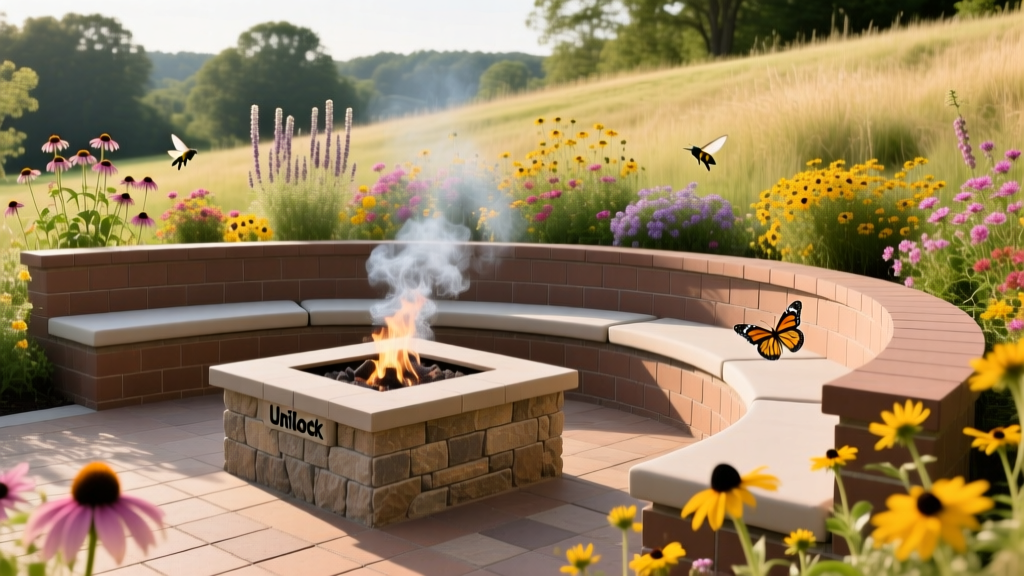
2026 Guide: Unilock Paver Fire Pit & Pollinator Seating Wall
Robert HayesPublished
The Intersection of Luxury Hardscaping and Ecological Design
In 2026, the most celebrated outdoor living spaces are those that seamlessly blend high-end luxury with ecological responsibility. Homeowners are no longer satisfied with sterile, purely decorative patios; they want vibrant, living landscapes that support local ecosystems. One of the most striking ways to achieve this is by designing a fire pit area with a Unilock paver surround and a matching seating wall, bordered entirely by a thriving, pollinator-friendly garden.
Merging structured hardscaping with wild, beneficial flora creates a stunning visual contrast. The clean lines and premium textures of Unilock products provide an elegant anchor, while the surrounding pollinator beds introduce movement, color, and vital habitat for native bees, butterflies, and hummingbirds. According to the Xerces Society for Invertebrate Conservation, creating localized pollinator habitats in residential areas is one of the most effective ways to combat the ongoing decline of native bee populations. By integrating these habitats directly into your primary entertainment space, you elevate both your property value and your local biodiversity.
Planning Your Unilock Fire Pit and Seating Wall
The foundation of any great outdoor room is its layout. For a fire pit area intended to be surrounded by pollinator beds, a circular or semi-circular design works best. This encourages a natural flow and allows the garden beds to wrap around the hardscape like an amphitheater.
Selecting the Right Unilock Products
For the seating wall, the Brussels Dimensional System remains a top choice in 2026 due to its timeless, tapered stone appearance and integrated coping stones that provide a comfortable, finished seat. For the paver surround and the inner fire pit ring, consider Unilock Umbriano or Copthorne pavers. Umbriano offers a modern, speckled granite look that complements the vibrant purples, yellows, and reds of pollinator plants, while Copthorne provides a classic, old-world brick aesthetic that pairs beautifully with cottage-style garden beds.
To build the fire pit itself, Unilock’s Lineo Dimensional Stone or the Olde Quarry fire pit kits provide a safe, heat-resistant barrier that matches the seating wall, ensuring a cohesive design language throughout the space.
Base Preparation and Permeable Solutions
A critical aspect of modern, eco-friendly landscaping is managing stormwater runoff. Traditional impermeable patios shed water into municipal drains, carrying pollutants into local waterways and depriving nearby garden beds of vital moisture. In 2026, sustainable hardscaping heavily favors permeable installations.
Unilock offers a variety of permeable paver solutions that allow rainwater to filter back into the groundwater table. When installing your fire pit surround, consider using a permeable base system:
- Excavation: Dig down 12 to 14 inches, depending on your local frost line and soil composition.
- Geotextile Fabric: Lay a non-woven geotextile fabric to separate the subgrade from your base material and prevent weed growth.
- Open-Graded Base: Use clear, open-graded crushed stone (typically 3/4-inch clear aggregate) for the base and bedding layers. Unlike traditional sand or crushed rock with fines, clear stone has voids that allow water to pass through freely.
- Jointing Material: Use a permeable jointing aggregate or a specialized eco-friendly polymeric sand that permits water infiltration while locking the pavers in place.
By utilizing a permeable base, the rainwater that hits your patio will naturally percolate into the soil, passively irrigating the deep roots of your surrounding pollinator plants and reducing your overall water usage.
Designing the Pollinator Perimeter Beds
The transition between the rigid Unilock seating wall and the soft, wild pollinator garden is where the magic happens. To prevent soil from spilling onto your pristine pavers, install a subtle steel or aluminum landscape edging just behind the backfill of the seating wall, or utilize a 6-inch gravel French drain buffer filled with river rock. This buffer catches excess soil, allows for drainage, and provides a clean visual break.
Soil Preparation for Native Flora
Most native pollinator plants thrive in well-draining, moderately fertile soil. Avoid the temptation to over-amend the soil with heavy synthetic fertilizers or excessive rich compost. High-nitrogen environments promote rapid, weak leafy growth that attracts aphids and reduces the essential oils and nectar production that pollinators rely on. Instead, top-dress the beds with a 2-inch layer of organic leaf mulch or compost to retain moisture and suppress weeds naturally.
Top Pollinator-Friendly Plants for Fire Pit Borders (2026)
When selecting plants to surround your Unilock fire pit, aim for a succession of blooms from early spring through late fall. This ensures that your patio is always framed by color and that local pollinators have a continuous food source. Furthermore, planting aromatic herbs and flowers near a seating area naturally deters mosquitoes, making your evening fire pit gatherings much more enjoyable.
| Plant Name | Scientific Name | Bloom Season | Target Pollinators | Hardscape Pairing Tip |
|---|---|---|---|---|
| Purple Coneflower | Echinacea purpurea | Summer to Fall | Native Bees, Butterflies | Leave seed heads in winter for birds; contrasts beautifully with grey Unilock coping. |
| Lavender | Lavandula angustifolia | Early to Mid-Summer | Honeybees, Bumblebees | Plant near the seating wall edges; the scent is released when brushed against. |
| Butterfly Weed | Asclepias tuberosa | Mid-Summer | Monarch Butterflies | Vibrant orange blooms pop against the earthy tones of Copthorne pavers. |
| Russian Sage | Perovskia atriplicifolia | Late Summer to Fall | Generalist Bees, Hummingbirds | Tall, airy spikes provide a soft, moving backdrop behind the rigid seating wall. |
| Wild Bergamot | Monarda fistulosa | Mid to Late Summer | Sweat Bees, Sphinx Moths | Minty fragrance deters mosquitoes around the evening fire pit area. |
For a comprehensive guide on certifying your outdoor space as an official habitat, the National Wildlife Federation's Garden for Wildlife program provides excellent resources on ensuring your landscape meets the requirements for food, water, cover, and places to raise young.
Eco-Friendly Maintenance for Hardscape and Flora
Maintaining a luxury hardscape surrounded by a delicate ecosystem requires a careful approach to cleaning and landscaping. The chemicals traditionally used to clean patios or kill weeds can be devastating to the very pollinators you are trying to attract.
Paver Cleaning Without Ecological Harm
Over time, your Unilock pavers may accumulate dirt, pollen, or organic stains. Avoid using harsh bleach solutions or high-pressure power washing, which can destroy the jointing sand and wash toxic runoff directly into your pollinator beds. Instead, use a specialized, biodegradable paver cleaner or a simple mixture of warm water and mild, phosphate-free dish soap. Scrub with a stiff-bristled broom and rinse gently with a garden hose, directing the runoff away from the root zones of sensitive native plants.
Weed and Pest Management
Weeds in the paver joints are an inevitable part of outdoor living. Rather than reaching for glyphosate-based herbicides—which have been linked to severe declines in bee navigation and foraging abilities—opt for mechanical removal or natural alternatives. A targeted application of horticultural vinegar (20% acetic acid) on a hot, sunny day will burn down joint weeds without leaving toxic soil residue. However, be careful to overspray shield your desirable pollinator plants.
For pest management in the garden beds, embrace integrated pest management (IPM). Allow predatory insects like ladybugs and lacewings to manage aphid populations. Remember that a few chewed leaves on your Asclepias or Echinacea are not a sign of a failing garden; they are proof that your landscape is actively supporting the caterpillar life cycle.
Lighting the Space Sustainably
To enjoy your Unilock fire pit and pollinator garden after dark, incorporate low-impact, dark-sky-friendly LED lighting. Upward-facing floodlights disorient nocturnal pollinators like moths and bats, which are crucial for night-blooming flora. Instead, use warm-toned (2700K or lower), downward-facing pathway lights integrated subtly into the Unilock seating wall risers or low-voltage well lights tucked into the garden beds. This highlights the texture of the Brussels Dimensional stone and the architectural forms of the grasses without contributing to light pollution.
Conclusion
Designing a fire pit area with a Unilock paver surround and seating wall in 2026 is an opportunity to redefine what a luxury backyard can be. By choosing permeable installation methods, selecting premium, durable hardscape materials, and framing the space with a diverse, native pollinator garden, you create an outdoor sanctuary that is as ecologically vital as it is visually breathtaking. It is a space where the crackle of the fire pit is matched only by the gentle hum of native bees, proving that sophisticated design and environmental stewardship can beautifully coexist.

