
Landscaping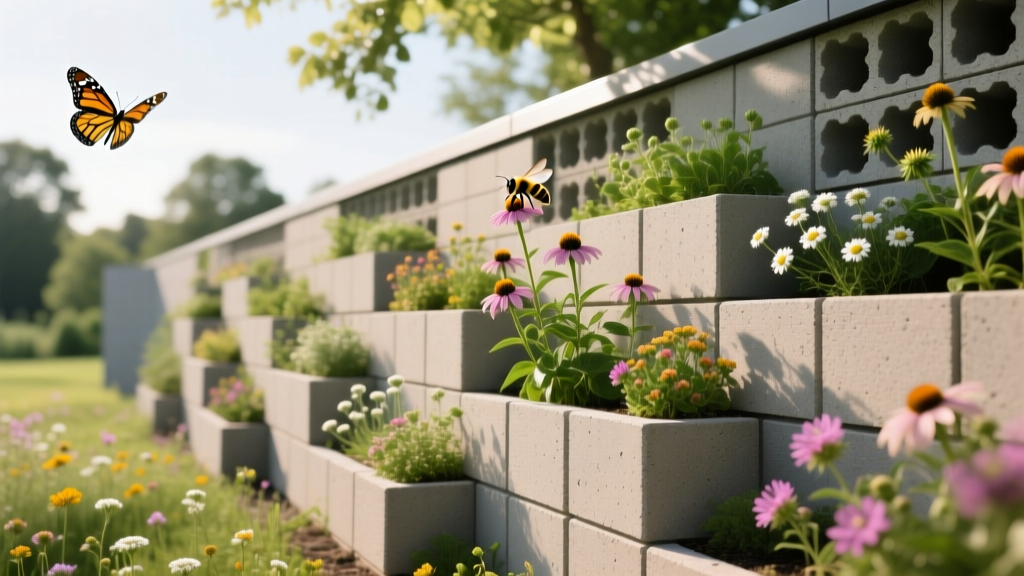
Build Versa-Lok Retaining Walls for Pollinator Gardens in 2026
Lisa ThompsonPublished
The Rise of Eco-Hardscaping in 2026
As we navigate the 2026 landscaping season, the line between structural hardscaping and ecological conservation continues to blur. Homeowners and landscape architects alike are moving away from sterile, purely functional retaining walls and embracing 'living hardscapes.' One of the most effective ways to achieve this is by integrating pollinator-friendly garden designs directly into retaining wall construction. By utilizing Versa-Lok modular blocks, you can engineer a robust, long-lasting retaining wall that simultaneously serves as a terraced micro-habitat for native bees, butterflies, and beneficial insects. According to The Xerces Society, creating structured, multi-tiered habitats with varying sun exposures and drainage profiles is one of the most impactful ways to support declining pollinator populations in suburban environments.
Why Choose Versa-Lok Modular Blocks?
Versa-Lok has remained an industry leader in segmental retaining wall systems, and their 2026 product lineup continues to offer unmatched versatility for ecological landscaping. Unlike traditional mortared stone or poured concrete, Versa-Lok's mortarless, pin-based system allows for natural drainage and slight flexibility. This permeability is crucial for pollinator gardens, as it prevents waterlogging in the planted terraces above and allows the wall to 'breathe.' Furthermore, the ability to create tight curves and organic shapes with Versa-Lok Standard and Accent blocks means you can design retaining walls that mimic natural topography, avoiding the harsh, straight lines that disrupt the visual flow of a native garden.
The unique top-pin locking system provides immense structural integrity without the need for a concrete footing, which preserves the underlying soil ecology and allows deep-rooted native plants to thrive in the terraced beds behind the wall. For eco-conscious landscapers, the Versa-Lok system offers the perfect blend of heavy-duty erosion control and delicate habitat creation.
Planning Your Terraced Pollinator Habitat
Before breaking ground, you must map out the ecological function of your wall. A retaining wall in a pollinator garden is not just a barrier; it is a thermal mass and a tiered planting zone. South-facing Versa-Lok walls absorb solar radiation during the day and release it at night, creating a microclimate that encourages early spring emergence for solitary bees and overwintering butterflies. When planning your tiers, aim for varying depths. The upper terraces should have at least 18 to 24 inches of soil depth for deep-rooted perennials like Purple Coneflower, while the wall face itself can feature shallow 'planting pockets' for cascading ground covers like Creeping Thyme or Sedum.
Essential Materials and 2026 Cost Estimates
Building a living retaining wall requires specific materials to ensure both structural stability and plant health. Below is a breakdown of the core components and their estimated 2026 costs.
| Material | Specification | 2026 Estimated Cost |
|---|---|---|
| Versa-Lok Standard Blocks | 12in W x 18in L x 6in H (Main Structure) | $6.50 - $8.50 per block |
| Versa-Lok Accent Blocks | 12in W x 18in L x 3in H (Planting Pockets) | $5.50 - $7.50 per block |
| Crushed Limestone Base | 3/4-inch minus aggregate for base layer | $45 - $60 per ton |
| Geogrid Reinforcement | Biaxial polypropylene (for walls over 4ft) | $1.20 - $1.80 per sq ft |
| Pollinator Soil Mix | 60% native topsoil, 30% compost, 10% coarse sand | $35 - $50 per cubic yard |
| Perforated Drain Pipe | 4-inch corrugated or PVC with filter sock | $1.50 - $2.50 per linear ft |
Step-by-Step Construction Guide
Step 1: Excavation and Base Preparation
Begin by excavating a trench that is at least 12 inches wide and 8 inches deep, plus an additional inch for every 8 inches of planned wall height. For a living wall, it is vital to ensure the base is highly compacted and level. Fill the trench with a 6-inch layer of 3/4-inch minus crushed limestone. Use a plate compactor to create a rock-hard foundation. This permeable base allows groundwater to escape, protecting the root systems of the plants in the tiers above from frost heave and rot.
Step 2: Laying the Foundation Course
Place the first course of Versa-Lok Standard blocks directly onto the compacted aggregate. Ensure each block is perfectly level both front-to-back and side-to-side. The first course should be buried slightly below grade to lock the wall into the earth and prevent burrowing pests from undermining the structure. This buried base also creates a secure edge for the lowest planting tier.
Step 3: Stacking, Pinning, and Geogrid Integration
As you stack subsequent courses, stagger the vertical joints by at least 6 inches to create a running bond pattern. Insert the Versa-Lok fiberglass or high-strength polymer pins into the pre-drilled holes, ensuring they seat fully into the blocks below. If your wall exceeds 4 feet in height, or if it is supporting heavy, saturated soil for deep-rooted native plants, you must integrate geogrid reinforcement. Lay the geogrid over the back of the blocks and extend it into the soil mass behind the wall according to the engineered specifications for your specific soil type.
Step 4: Backfilling and Drainage
Proper drainage is the lifeblood of both the retaining wall and the pollinator garden. Place a 4-inch perforated drain pipe wrapped in a filter sock directly behind the base course. Cover the pipe with clean, washed drainage gravel. As you build up the wall, backfill the immediate 12 inches behind the blocks with this washed gravel. This prevents hydrostatic pressure from building up and pushing the wall outward, while simultaneously ensuring that the native soil mix in the planting terraces remains well-aerated and free of standing water.
Step 5: Designing Pollinator Planting Pockets
To create planting pockets directly in the face of the wall, substitute select Versa-Lok Standard blocks with Versa-Lok Accent blocks (which are half the height) or simply leave strategic horizontal gaps between courses, filling them with a specialized, well-draining alpine soil mix. These pockets act as vital nesting sites for mason bees and provide sheltered nectar sources that are protected from heavy winds and driving rain.
Top Native Plants for Retaining Wall Pockets and Terraces
Selecting the right plants is critical. The environment in a retaining wall pocket is harsh: it is hot, dry, and has limited soil volume. You must choose drought-tolerant, shallow-rooted native species. The National Wildlife Federation emphasizes that native plants are essential for supporting local food webs, as native pollinators have co-evolved with these specific flora.
- Creeping Thyme (Thymus serpyllum): An excellent, low-growing ground cover that spills beautifully over the edges of Versa-Lok blocks. It produces tiny purple flowers in early summer that are highly attractive to honeybees and hoverflies.
- Sedum (Sedum spurium): Succulent leaves store water, making Sedum virtually indestructible in shallow wall pockets. The late-summer blooms provide critical late-season nectar for migrating butterflies like the Monarch.
- Yarrow (Achillea millefolium): Best suited for the deeper terraced beds behind the wall rather than the shallow pockets. Yarrow's flat flower clusters serve as perfect landing pads for a wide variety of native bees and predatory wasps that help control garden pests.
- Wild Strawberry (Fragaria virginiana): A native cascading plant that provides early spring flowers for pollinators and small fruits for local bird populations, integrating the wall into the broader garden ecosystem.
- Prairie Smoke (Geum triflorum): Ideal for the upper, sun-baked terraces. Its unique seed heads add visual interest, and its early blooms are a vital food source for emerging bumblebee queens in the spring.
Maintenance and Long-Term Ecological Health
A Versa-Lok pollinator wall requires minimal structural maintenance but benefits from thoughtful ecological stewardship. Avoid using chemical herbicides or synthetic pesticides near the wall, as runoff can accumulate in the planting pockets and harm the very insects you are trying to support. In the fall, resist the urge to 'clean up' the garden too thoroughly. Leave hollow stems and seed heads in the terraced beds, as many native bees and butterflies overwinter in this plant debris. Inspect the wall annually in early spring to ensure no frost heave has displaced the blocks, and top-dress the planting pockets with a thin layer of compost to replenish nutrients. By combining the structural reliability of Versa-Lok modular blocks with the ecological principles of pollinator conservation, you create a dynamic, living landscape feature that will serve your property and the local environment for decades to come.

