
Landscaping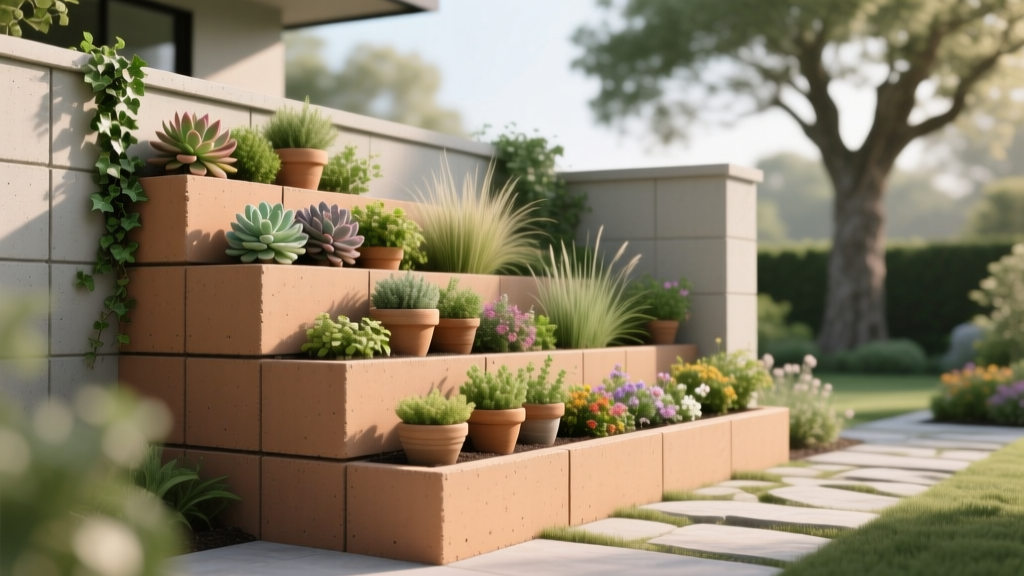
2026 Versa-Lok Retaining Wall Container Garden Guide
David ParkPublished
Merging Hardscaping with Container Gardening in 2026
As landscape design continues to evolve in 2026, the line between structural hardscaping and horticultural artistry is blurring. One of the most innovative trends dominating outdoor living spaces this year is the integration of container and pot gardening principles into heavy-duty retaining wall construction. Rather than simply building a wall to hold back a slope, homeowners and landscape architects are utilizing Versa-Lok modular blocks to construct tiered, built-in planter beds. These structures function essentially as massive, interconnected, permanent containers, offering unparalleled control over soil composition, drainage, and microclimates.
Traditional retaining walls are purely functional, but by treating the terraced spaces behind and within the wall as oversized planters, you unlock a new dimension of landscape design. This approach is particularly valuable in urban environments or sloped properties where flat ground for traditional container gardening is scarce. By building with Versa-Lok, you create a permanent, frost-resistant hardscape that doubles as a modular container garden, allowing you to change out plantings seasonally while maintaining a rigid, beautiful architectural backbone.
The Philosophy of Permanent Container Hardscaping
Container gardening is typically associated with terracotta pots, resin troughs, and wooden whiskey barrels. However, the core philosophy of container gardening—complete control over the soil environment, precise drainage management, and the ability to curate specific microclimates—can be scaled up using segmental retaining wall blocks. When you build a tiered Versa-Lok wall, each terrace acts as an individual raised container.
In 2026, the concept of "permanent container hardscaping" has gained massive traction due to climate variability. Gardeners are seeking ways to protect delicate root systems from extreme temperature fluctuations. The thermal mass of concrete retaining wall blocks absorbs heat during the day and releases it at night, creating a buffered microclimate that extends the growing season for tender perennials and exotic container plants. Furthermore, building these planter tiers at waist height eliminates the need for bending and kneeling, making container gardening accessible and ergonomic for all ages.
Why Versa-Lok Modular Blocks Excel as Planter Walls
Versa-Lok is a pioneer in the segmental retaining wall (SRW) industry, famous for its solid, pin-based, mortarless system. Unlike hollow-core blocks or natural stone, Versa-Lok blocks are solid concrete units that interlock using fiberglass pins. This makes them exceptionally well-suited for constructing curved, terraced planter beds.
According to the engineering guidelines published by the Versa-Lok manufacturer, the solid nature of the blocks prevents soil from washing out through the face of the wall, a common issue with hollow blocks that require excessive geotextile lining. The solid face acts exactly like the wall of a ceramic pot, holding your premium container soil securely in place while the integrated pin system ensures the wall can withstand the lateral pressure of wet, heavy potting mixes. Additionally, the ability to easily curve the blocks allows you to create organic, sweeping planter pockets that mimic the aesthetic of high-end, custom-cast concrete planters.
Versa-Lok Block Comparison for Planter Tiers
Choosing the right block profile is critical when designing your wall-as-a-container. Below is a comparison of the most popular Versa-Lok units used in 2026 for tiered planter construction.
| Versa-Lok Block Type | Dimensions (W x H x D) | Avg. Weight | Best Container Application |
|---|---|---|---|
| Standard | 18" x 6" x 12" | 72 lbs | Large structural planter bases and deep-root vegetable tiers |
| Mosaic | 12" x 6" x 12" | 45 lbs | Curved planter pockets and intricate tiered herb gardens |
| Cobblestone | 10" x 4.5" x 8" | 28 lbs | Shallow succulent borders and decorative edge containers |
For most residential container wall projects, the Mosaic or Standard units provide the best balance of structural integrity and soil volume. As of 2026, expect to pay between $4.50 and $6.50 per block for Standard units, depending on your region and the chosen color blend.
Step-by-Step Construction for Built-In Planters
Building a retaining wall that functions as a container garden requires the same rigorous base preparation as a standard structural wall, with a few horticultural modifications.
1. Excavation and Base Preparation
Dig a trench at least 12 inches wide and 6 to 8 inches deep, depending on frost line requirements in your zone. Fill the trench with a 3/4-inch angular crushed stone base and compact it thoroughly. The National Concrete Masonry Association (NCMA) strictly mandates a compacted aggregate base for all segmental retaining walls to prevent settling, which is especially critical when the wall will hold the heavy, wet weight of container soil.
2. Laying the First Course
Place the first course of Versa-Lok blocks directly onto the compacted gravel. Use a rubber mallet and a 4-foot level to ensure the blocks are perfectly level side-to-side and front-to-back. This first course will be partially buried, anchoring your "container" into the earth.
3. Pinning and Stacking
Apply a bead of concrete adhesive to the top of the first course (a best practice for planter walls to prevent soil and water from seeping through the joints). Align the holes of the second course with the pins protruding from the first course. Slide the blocks down over the pins. Continue this process, stepping the wall back into the slope at a minimum batter of 1 inch per foot of height to ensure structural stability against the lateral pressure of the potting mix.
4. Backfilling the Container Zone
Immediately behind the blocks, lay a perforated drainage pipe wrapped in a sock filter, sloping slightly to daylight at the ends of the wall. Cover the pipe with 6 to 12 inches of clean, washed drainage gravel. This gravel layer acts as the "drainage hole" for your massive container wall, ensuring that the root zone never becomes waterlogged.
Engineering Drainage: The Golden Rule of Container Walls
The most common failure in retaining wall planter gardens is root rot caused by poor drainage. When you build a Versa-Lok wall, you are essentially creating a giant, solid-walled pot. If water cannot escape, hydrostatic pressure will build up, potentially pushing the wall outward, while simultaneously drowning your plants.
To mitigate this, the gravel backfill zone is non-negotiable. Furthermore, you must separate the gravel drainage zone from your container soil using a high-quality, non-woven geotextile fabric. In 2026, landscape professionals heavily favor polypropylene geotextiles that allow water to pass through while completely blocking fine soil particles. Drape the fabric over the gravel and up the back of the blocks before adding your soil. This mimics the function of a coffee filter in a standard terracotta pot, keeping the soil in and letting the water out.
2026 Container Soil Formulations for Retaining Planters
Never use native topsoil or heavy garden soil in a retaining wall planter. Native soil will compact over time, suffocating roots and adding immense, unmanageable weight to the wall structure. Instead, treat the wall tiers exactly as you would a premium patio pot.
As noted by horticultural experts at Penn State Extension, container and raised bed soils must prioritize aeration, moisture retention, and lightweight structure. For your Versa-Lok planter tiers, utilize a 2026-formulated commercial raised bed mix or create your own blend. A highly effective, modern container recipe includes:
- 40% Coconut Coir or Sphagnum Peat Moss: For moisture retention and structure.
- 30% Coarse Perlite or Pumice: To guarantee aeration and prevent compaction.
- 20% High-Quality Compost: For slow-release nutrients and microbial life.
- 10% Biochar: A trending 2026 soil amendment that sequesters carbon, retains water, and provides a permanent habitat for beneficial soil fungi.
This lightweight, fluffy mixture reduces the lateral load on your Versa-Lok blocks while providing an elite growing environment for your plants.
Plant Selection for Tiered Microclimates
Because the concrete blocks absorb and radiate heat, the soil in a Versa-Lok planter wall will warm up faster in the spring and stay warmer in the fall than the surrounding ground. This creates a unique microclimate that is ideal for specific plant categories.
The Spillers: Utilize the top edges of the retaining wall tiers to plant cascading species. Creeping rosemary, trailing sedums, and sweet potato vines will soften the hard concrete edges, spilling over the blocks just as they would over the rim of a luxury container pot.
The Thrillers: In the center of the wider terraces, plant upright, structural specimens. Dwarf conifers, ornamental grasses like 'Karley Rose' fountain grass, or architectural agaves thrive in the well-drained, warm soil environment provided by the wall.
The Edibles: The thermal mass of the wall makes it an exceptional container environment for heat-loving edibles. Tiered Versa-Lok planters are increasingly being used in 2026 as permanent kitchen garden beds for sprawling tomatoes, bush cucumbers, and deep-rooted peppers, which benefit immensely from the warm soil temperatures radiating from the concrete blocks.
Maintenance and Longevity
Maintaining a Versa-Lok container wall is remarkably straightforward. Because the system is mortarless, it is flexible and can withstand freeze-thaw cycles without cracking. Each spring, inspect the face of the wall for any blocks that may have shifted due to frost heave; simply lift them out, re-level the gravel base, and drop them back onto the pins. Top-dress your planter tiers with an inch of fresh compost annually to replenish nutrients, and ensure that the weep holes and drainage aggregate remain clear of debris. By marrying the structural permanence of Versa-Lok hardscaping with the flexible, curated beauty of container gardening, you create a dynamic, living landscape feature that will thrive for decades.

