
Landscaping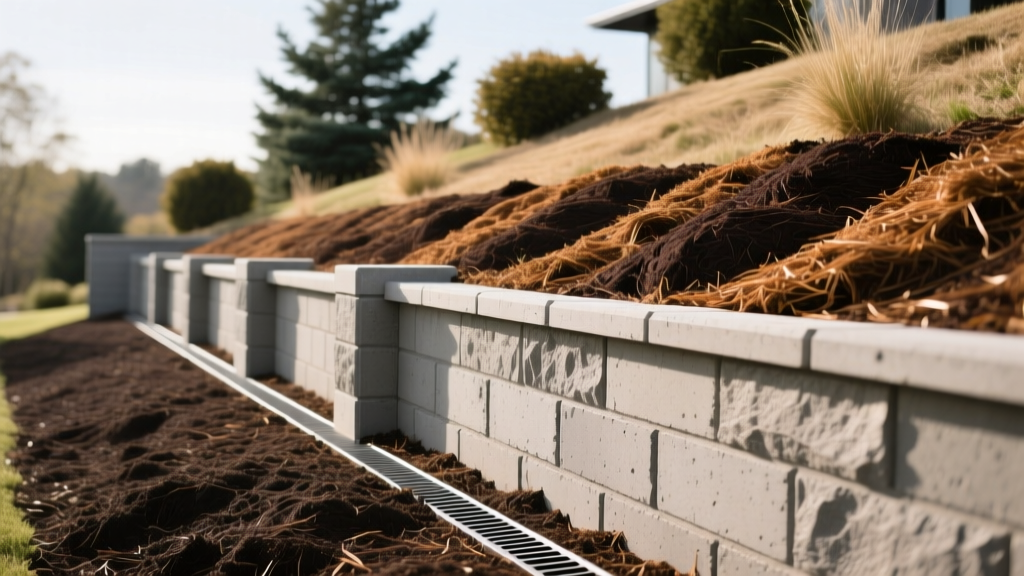
Versa-Lok Retaining Wall Mulch & Drainage Guide 2026
Anna KowalskiPublished
Introduction to Versa-Lok Walls and Landscape Mulching
When designing a landscape in 2026, integrating a Versa-Lok modular retaining wall system offers unparalleled structural integrity and aesthetic versatility. Unlike traditional mortared walls, Versa-Lok blocks utilize a unique pinning system that allows for flexible, mortarless construction. However, the longevity of any segmental retaining wall relies heavily on what happens behind and around the blocks. This is where advanced mulching methods and materials come into play. In the context of hardscaping, 'mulch' encompasses both the organic materials used to top-dress planting beds and the inorganic aggregates used for structural backfill and drainage. Properly integrating these materials ensures your retaining wall withstands frost heave, hydrostatic pressure, and soil erosion while keeping your garden beds thriving.
The Dual Role of Mulch in Retaining Wall Systems
Most homeowners associate mulch strictly with organic wood chips or bark spread over garden soil. While this surface mulch is vital for moisture retention and weed suppression in the terraced beds above and below your wall, the 'inorganic mulch' placed behind the wall is equally critical. In structural landscaping, clear crushed stone acts as a heavy-duty inorganic mulch that facilitates rapid water drainage. If water becomes trapped behind a Versa-Lok wall, the resulting hydrostatic pressure can push the blocks outward, causing bulging or total structural failure. By treating your backfill materials with the same strategic care as your surface mulch, you safeguard your investment.
Inorganic Mulch: The Structural Backfill Zone
According to the official Versa-Lok retaining wall guidelines, a minimum 12-inch zone of clear, washed drainage stone must be placed directly behind the wall blocks. This 3/4-inch clear crushed gravel acts as an inorganic mulch layer, creating a highly permeable column that channels water down to the perforated drain pipe at the wall's base. Never use pea gravel, as its rounded edges do not interlock, and never use limestone dust or 'crusher run' gravel, which contains fine particles that will clog the drainage pathway over time. In 2026, the cost for high-quality clear crushed stone averages between $45 and $65 per ton, a necessary expense for structural longevity.
Geotextile Fabric: The Unsung Hero of Mulch Separation
Where the inorganic stone mulch meets the native soil, a non-woven geotextile fabric is mandatory. This landscape fabric acts as a physical barrier that prevents fine soil particles from migrating into the clear stone backfill. If soil infiltrates your gravel drainage zone, the 'inorganic mulch' loses its permeability, leading to water buildup. Lay the fabric against the excavated soil face before placing your stone, and ensure it overlaps generously at the seams. Wrap the excess fabric over the top of the stone backfill before adding your topsoil and organic surface mulch to completely encapsulate the drainage zone.
Organic Mulching Methods for Terraced Versa-Lok Beds
The terraced planting beds created by a Versa-Lok wall are prime real estate for ornamental grasses, cascading perennials, and shrubs. To protect these plants and the soil structure, organic mulching is required. The University of Minnesota Extension recommends maintaining a 2 to 3-inch layer of organic mulch to regulate soil temperature, retain moisture, and suppress weeds. However, mulching near a retaining wall edge requires specific techniques to prevent unsightly washouts.
Choosing the Right Organic Mulch
- Shredded Hardwood: Excellent for terraced beds because its interlocking fibers resist washing away during heavy rains. It decomposes slowly, adding valuable organic matter to the soil.
- Cedar Mulch: Highly resistant to rot and insects. Its rich color contrasts beautifully with the concrete tones of Versa-Lok blocks, though it is slightly more expensive in 2026, averaging $55 to $70 per cubic yard.
- Pine Bark Nuggets: While aesthetically pleasing, large bark nuggets are prone to floating and washing over the wall edge during torrential downpours. Stick to shredded varieties for sloped terrace beds.
Preventing Mulch Washout on Sloped Terraces
One of the most common complaints with terraced retaining walls is organic mulch spilling over the edge of the blocks after a heavy storm. To combat this, employ the 'trench and berm' mulching method. When grading the soil in the bed above the wall, create a slight depression or swale about 12 inches back from the wall's capstone. This swale captures surface runoff before it reaches the edge. Additionally, install hidden aluminum or heavy-duty plastic landscape edging just behind the capstones, burying it an inch below the soil surface. This creates a physical dam that holds the mulch in place while allowing water to percolate downward into the soil and eventually into the wall's drainage aggregate.
Step-by-Step Mulch and Backfill Integration
To achieve a professional-grade landscape, follow this sequential method when installing your Versa-Lok wall and surrounding mulch beds:
- Excavate and Prepare the Base: Dig a trench and lay a compacted base of 3/4-inch road gravel. This foundational inorganic material ensures the first course of blocks remains level and frost-resistant.
- Lay the First Course and Drain Pipe: Install the base blocks and position a perforated PVC drain pipe behind them, sloping it slightly toward daylight or a dry well.
- Install Geotextile Fabric: Drape non-woven fabric against the back of the excavation, leaving excess fabric at the top to fold over later.
- Add Inorganic Mulch (Backfill): Fill the 12-inch zone behind the blocks with 3/4-inch clear washed stone. Compact it lightly as you build the wall up course by course.
- Fold and Cap: Once the wall reaches its final height, fold the excess geotextile fabric over the top of the clear stone.
- Add Topsoil and Organic Mulch: Fill the remaining bed space with high-quality topsoil, grade it away from the wall edge, and apply a 3-inch layer of shredded hardwood mulch, keeping it an inch below the capstone to prevent wind and water displacement.
2026 Material Cost & Comparison Chart
Understanding the financial and functional differences between mulching materials is crucial for budgeting your 2026 landscaping project. Below is a comparison of the primary materials used in and around Versa-Lok retaining walls.
| Material Type | Category | Primary Function | Est. 2026 Cost | Longevity |
|---|---|---|---|---|
| 3/4" Clear Crushed Stone | Inorganic Mulch | Structural drainage behind wall | $45 - $65 / ton | Permanent |
| Non-Woven Geotextile | Separator | Prevents soil clogging stone | $0.50 - $0.80 / sq ft | 20+ Years |
| Shredded Hardwood | Organic Mulch | Moisture retention in beds | $40 - $55 / cubic yd | 1 - 2 Years |
| Cedar Mulch | Organic Mulch | Aesthetics and pest resistance | $55 - $70 / cubic yd | 2 - 3 Years |
| Rubber Mulch | Inorganic Surface | Play areas near walls | $70 - $90 / cubic yd | 10+ Years |
Sustainable Landscaping Trends for 2026
As environmental consciousness shapes modern landscaping, the EPA's WaterSense program emphasizes the importance of efficient water management in hardscaped environments. In 2026, integrating smart drip irrigation lines beneath the organic mulch layer in your Versa-Lok terraces is a leading trend. By delivering water directly to the root zones under the mulch, you eliminate evaporation and prevent the surface mulch from becoming waterlogged and heavy, which further reduces the risk of washout over the wall edges. Furthermore, sourcing locally produced organic mulch reduces transportation emissions, aligning your retaining wall project with sustainable, eco-friendly landscaping practices.
Conclusion
Building a Versa-Lok modular retaining wall is only half the battle; properly managing the materials that surround and support it dictates its lifespan. By viewing clear crushed stone as a vital inorganic mulch for drainage, utilizing geotextile fabrics for separation, and applying shredded organic mulches with anti-washout grading techniques, you create a cohesive, durable, and stunning landscape. Whether you are terracing a steep backyard slope or creating a raised garden bed, mastering these mulching methods will ensure your retaining wall remains structurally sound and visually pristine for decades to come.

