
Landscaping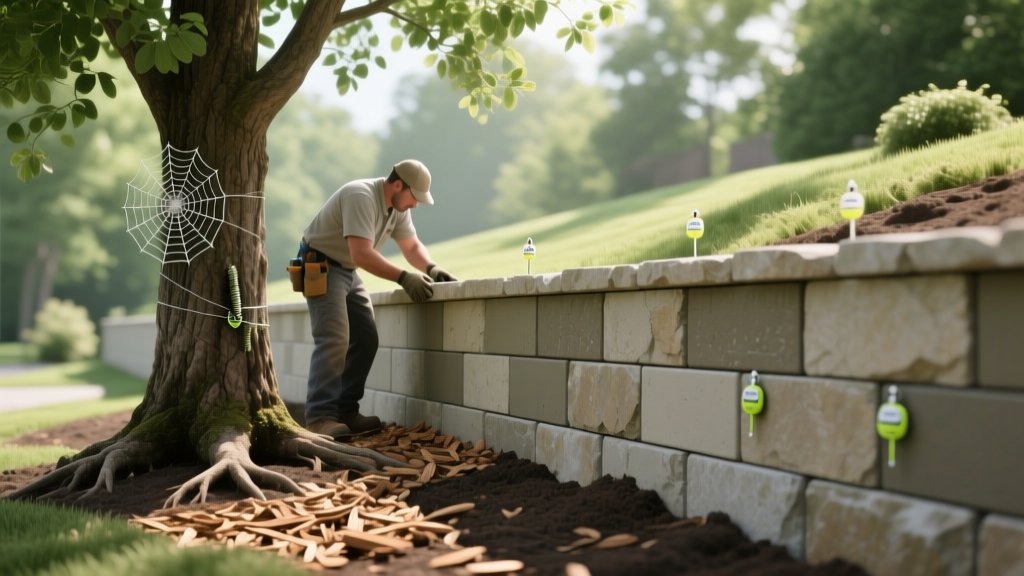
Versa-Lok Retaining Walls & Tree Web Worm Control (2026 Guide)
Lisa ThompsonPublished
The Intersection of Hardscaping and Arboriculture in 2026
As landscape design continues to evolve in 2026, the integration of heavy hardscaping elements with existing mature tree canopies has become a hallmark of premium outdoor living spaces. Homeowners increasingly desire terraced gardens, elevated patios, and multi-level lawn designs. However, constructing retaining walls near mature shade trees presents a dual challenge: protecting the tree's critical root zone (CRZ) from construction damage while simultaneously managing the pests that target stressed trees. Chief among these pests is the tree web worm. This comprehensive guide explores how to successfully execute retaining wall construction with Versa-Lok modular blocks while implementing a rigorous tree web worm control protocol to safeguard your landscape investment.
Understanding the Tree Web Worm Threat
Tree web worms, primarily the fall webworm (Hyphantria cunea), are notorious for creating unsightly, expansive silken tents over the terminal branches of deciduous trees. While they rarely kill a healthy, mature tree outright, severe defoliation weakens the tree's immune system, making it highly susceptible to secondary borers, fungal pathogens, and environmental stress. Common host trees include pecans, oaks, hickories, walnuts, and sweetgums—species frequently preserved in high-end landscape designs.
According to the University of Minnesota Extension, fall webworms overwinter as pupae in the soil and leaf litter. In 2026, shifting spring temperature patterns have caused the first generation of moths to emerge earlier, often by late May, laying eggs on the undersides of leaves. The resulting caterpillars spin their characteristic webs, feeding gregariously and expanding their tents as they grow. When a tree is already stressed by soil compaction or root asphyxiation from nearby hardscape construction, its natural chemical defenses are compromised, leading to exponentially worse web worm infestations.
Why Versa-Lok Modular Blocks are Ideal for Tree-Dense Landscapes
When building retaining walls within or adjacent to a tree's CRZ, the choice of materials is paramount. Traditional mortared stone or poured concrete walls are rigid and impermeable. They trap water, alter soil hydrology, and sufficate the fine feeder roots that trees rely on for nutrient uptake. Versa-Lok modular retaining wall systems offer a superior alternative for 2026 landscaping projects.
Versa-Lok blocks utilize a dry-stack, mortarless design secured by high-strength fiberglass pins. This flexibility allows the wall to shift slightly with frost heave and soil settlement without cracking. More importantly, the open-grade backfill and weeping drainage characteristics of a properly installed Versa-Lok wall ensure that water does not pool against the tree's root system. By utilizing Versa-Lok Standard or Mosaic blocks, contractors can create stunning, terraced garden beds that respect the natural hydrological needs of the host trees.
Step-by-Step Versa-Lok Construction in the Critical Root Zone
Constructing a retaining wall near a mature tree requires surgical precision. The CRZ is generally defined as a circle with a radius of one foot for every inch of the tree's trunk diameter at breast height (DBH). Building inside this zone requires specialized techniques to minimize root trauma.
1. Hand Excavation and Base Preparation
Never use heavy machinery like skid steers or mini-excavators inside the CRZ. Soil compaction from heavy equipment destroys soil pore space, effectively suffocating the tree. Instead, hand-dig the trench for the Versa-Lok base course. The base should consist of a minimum 6-inch layer of compacted, angular crushed stone (typically 3/4-inch minus gravel). If you encounter roots larger than 2 inches in diameter during trenching, do not sever them. Instead, bridge the root by adjusting the block placement or tunneling carefully beneath it to lay the base material.
2. Block Placement and Pinning
Begin laying the first course of Versa-Lok blocks, ensuring they are perfectly level. Subsequent courses are staggered and pinned using the manufacturer's fiberglass pins. The pinning system creates a cohesive, interlocking mass that resists the lateral earth pressure of the retained soil. Because no mortar is used, the wall remains permeable, allowing vital oxygen exchange between the atmosphere and the tree's root zone.
3. Geogrid Reinforcement and Root Routing
For walls exceeding 3 to 4 feet in height, geogrid reinforcement is required. Geogrid layers are placed between block courses and extended back into the compacted soil. When working near trees, lay the geogrid in strips that route around major structural roots rather than cutting through them. The Versa-Lok Installation Manual provides detailed engineering charts for geogrid spacing, which landscape architects can adapt to accommodate root preservation zones.
4. Advanced Drainage Systems
Proper drainage is the most critical factor in preventing tree stress. Install a 4-inch perforated PVC drain pipe wrapped in landscape fabric at the base of the wall, behind the blocks. Backfill the area immediately behind the wall with clean, washed 3/4-inch drainage gravel. This French drain system intercepts groundwater and surface runoff, channeling it away from the tree's root collar and preventing the anaerobic conditions that lead to root rot.
2026 Integrated Tree Web Worm Control Protocols
Once the hardscape is secured and the tree's root zone is protected, you must implement an Integrated Pest Management (IPM) strategy to control web worms. Relying solely on broad-spectrum chemical sprays is an outdated practice that harms beneficial pollinators and disrupts the local ecosystem. The 2026 standard for web worm control focuses on targeted biological agents and mechanical interventions.
Biological Control: Btk and Spinosad
The most effective and environmentally responsible treatment for active web worm infestations is Bacillus thuringiensis var. kurstaki (Btk). Btk is a naturally occurring soil bacterium that specifically targets the digestive systems of caterpillars. When applied to the foliage and ingested by the web worms, it causes them to stop feeding and die within a few days. Btk is completely safe for humans, pets, birds, and beneficial insects like bees and ladybugs.
For heavier infestations, Spinosad is a highly effective alternative. Derived from a soil-dwelling bacterium, Spinosad acts as both a contact and ingestion poison for caterpillars. It breaks down quickly in sunlight, minimizing its environmental footprint. The Texas A&M Forest Service highly recommends these targeted biologicals over systemic neonicotinoids for managing defoliators in residential landscapes.
Mechanical Control: Pruning and Web Disruption
Because fall webworms build their tents at the very ends of branches (terminal foliage), mechanical removal is highly practical. Using a telescoping pole pruner, simply clip off the infested branch tips and dispose of them in sealed green waste bags. Alternatively, you can use a strong jet of water from a garden hose or a specialized high-pressure tree sprayer to tear open the silken tents. Once the web is breached, the caterpillars are exposed to extreme heat, desiccation, and natural predators like parasitic wasps and insectivorous birds.
Comparison Chart: 2026 Web Worm Management Strategies
Choosing the right control method depends on the severity of the infestation, the height of the tree canopy, and the proximity to your newly constructed Versa-Lok outdoor living spaces.
| Control Method | Active Agent / Technique | Best Timing (2026) | Estimated Cost per Tree | Impact on Hardscape & Environment |
|---|---|---|---|---|
| Biological Spray | Btk (Bacillus thuringiensis) | Early June (when webs are small) | $15 - $30 | Zero negative impact; safe for patios and water features. |
| Organic Insecticide | Spinosad | Mid-summer (heavy infestations) | $25 - $45 | Low impact; apply in evening to protect daytime pollinators. |
| Mechanical Removal | Pole Pruning / High-Pressure Water | Any time webs are visible | $0 - $10 (Labor) | Prevents dead leaf litter from staining Versa-Lok blocks. |
| Trunk Injection | Emamectin Benzoate | Early Spring (Preventative) | $150 - $300 (Pro) | No surface spray drift; ideal for walls near dining areas. |
| Natural Predators | Encouraging Bird Populations | Year-round habitat management | $20 (Birdhouses) | Enhances the aesthetic of the landscaped garden. |
Long-Term Landscape Maintenance and Monitoring
The synergy between a well-engineered Versa-Lok retaining wall and a proactive tree health program will define the longevity of your landscape. Annually inspect the wall for any signs of hydrostatic pressure buildup, such as bulging blocks or efflorescence, which could indicate a failing drain pipe. Simultaneously, monitor the tree canopy in early summer for the first signs of silken webbing.
Mulching is another vital practice. Apply a 2-to-3-inch layer of organic hardwood mulch over the exposed soil in your terraced Versa-Lok garden beds. Keep the mulch at least 6 inches away from the tree trunk to prevent vole damage and trunk rot. The mulch will regulate soil temperature, retain moisture, and slowly release nutrients, keeping the tree vigorous and naturally resistant to severe web worm damage. By combining the structural excellence of Versa-Lok modular blocks with modern, ecologically sound web worm control, you ensure that your 2026 landscape remains a stunning, healthy oasis for decades to come.

