
Landscaping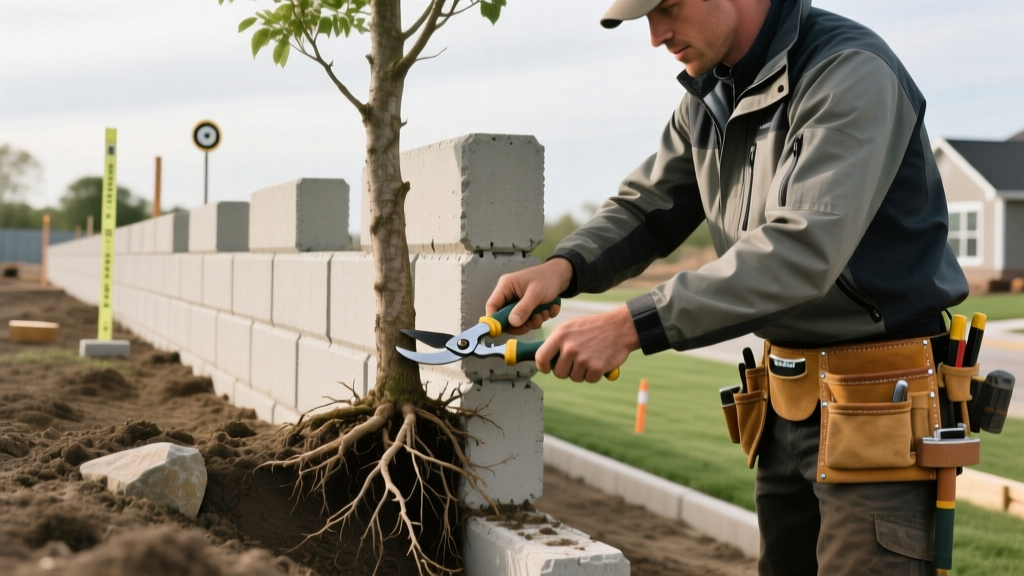
Versa-Lok Retaining Walls 2026: Root Pruning & Timing
James MillerPublished
Introduction to Versa-Lok Modular Block Systems in 2026
As we navigate the 2026 landscaping season, hardscaping trends continue to prioritize structural resilience, permeability, and seamless integration with existing flora. Among the premier choices for terraced gardens and slope stabilization is the Versa-Lok modular block system. Renowned for its high-density concrete composition and innovative interlocking pin system, Versa-Lok eliminates the need for rigid mortar, allowing walls to flex, settle, and drain naturally. However, constructing a retaining wall is rarely just about moving earth and stacking blocks; it is an intricate dance between hardscape engineering and living landscapes.
One of the most overlooked aspects of retaining wall construction is the intersection of excavation and arboriculture. When trenching for a leveling pad or laying geogrid reinforcement, contractors frequently encounter the root systems of established trees and shrubs. Improper root severance not only jeopardizes the health of the plant but can also lead to soil erosion, void formation, and eventual wall failure. Therefore, understanding precise pruning methods and seasonal timing is critical for any successful Versa-Lok retaining wall project in 2026.
Why Pruning Methods and Timing Matter for Retaining Walls
The stability of a Versa-Lok wall relies heavily on the compacted base and the reinforced soil mass behind it. According to Versa-Lok official design resources, geogrid reinforcement often needs to extend back into the slope by 60% of the wall's height. If a mature tree sits near the top of the slope, its root network will inevitably intersect with your excavation zone. Ripping through these roots with heavy machinery causes massive trauma to the tree, leading to root rot. As the roots decay, they leave underground voids that compromise the geogrid's soil matrix, causing the retaining wall to bulge or collapse. Furthermore, the timing of your construction dictates how well the surrounding landscape can recover from the inevitable pruning and transplanting required to clear the build site.
Pre-Construction: Root Pruning Methods for Excavation
Before you order your Versa-Lok Standard or Mosaic blocks, you must assess the vegetation above and behind the proposed wall line. Root pruning is a delicate surgical procedure that requires specific methods to ensure both the tree's survival and the wall's structural integrity.
The Critical Root Zone (CRZ) Calculation
The first step is identifying the Critical Root Zone. The general arboricultural rule of thumb is to allow one foot of root radius for every one inch of trunk diameter measured at chest height. If a mature oak tree is within this zone of your proposed geogrid trenching, you must consult a certified arborist. In 2026, the best practice for excavating near the CRZ is using an air spade rather than mechanical trenchers. An air spade uses compressed air to safely blow away soil, exposing roots so they can be properly pruned rather than torn.
Clean Cuts vs. Tearing: Proper Root Pruning Technique
When roots must be severed to accommodate the Versa-Lok base trench or geogrid layers, the method of cutting is paramount. Never use a backhoe bucket to rip through roots; this shatters the root tissue far beyond the cut site, inviting fungal pathogens and rapid decay. Instead, follow these pruning methods:
- Tool Selection: Use sharp, sterilized bypass loppers for roots under 1.5 inches in diameter, and a specialized pruning saw (such as a Silky Gomboy) for roots up to 2 inches. Avoid anvil-style pruners, as they crush the root cambium.
- Cut Angle and Placement: Make clean, perpendicular cuts directly facing the direction of the wall excavation. Do not leave long root stubs, as they will rot and create soil voids behind the wall blocks.
- Sealants: Modern 2026 arboriculture standards, supported by the Arbor Day Foundation, dictate that you should never apply wound sealants or pruning paints to severed roots. Trees compartmentalize wounds naturally, and sealants only trap moisture and accelerate rot.
Crown Pruning: Balancing the Canopy After Root Severance
When you prune a tree's roots during wall excavation, you reduce its ability to uptake water and anchor itself against wind. To compensate, you must perform crown pruning on the tree's canopy. This reduces the tree's overall water demand and decreases the "wind-sail" effect that could leverage the compromised root system and destabilize the soil above your new retaining wall.
Focus on selective crown thinning rather than aggressive topping. Remove dead, diseased, or crossing branches, and reduce the length of heavy lateral limbs to balance the canopy. This method ensures the tree remains a beautiful backdrop to your Versa-Lok wall without posing a structural threat to the hardscape below.
Timing Your Versa-Lok Wall Construction and Plant Pruning
The seasonal timing of your hardscaping project is just as crucial as the physical construction methods. Timing your excavation and pruning correctly can mean the difference between a thriving landscape and a dead, unstable slope.
The Dormant Season Advantage
The absolute best time to construct a retaining wall and perform major root pruning is during the late fall and winter dormant season. During dormancy, trees and shrubs have ceased active top growth, and their carbohydrate reserves are stored safely in the remaining root mass. Sap flow is minimal, meaning severed roots will not "bleed" out essential nutrients. Furthermore, the risk of transmitting devastating diseases, such as oak wilt, via pruning tools is virtually zero in the winter. Building your Versa-Lok wall in the dormant season also allows the backfill and geogrid to settle naturally with winter precipitation before the heavy spring growth cycle begins.
Spring and Summer Restrictions
Avoid major root pruning and deep excavation during the spring flush (when buds are breaking and leaves are expanding). During this window, trees are expending massive amounts of energy and drawing heavily on water reserves. Severing roots at this time induces severe physiological shock, often leading to canopy dieback or total tree failure. Similarly, mid-summer construction subjects plants to extreme heat stress when their compromised root systems cannot keep up with transpiration rates. If you must build a wall in the summer, limit root disturbance to the absolute minimum and implement heavy mulching and drip irrigation protocols immediately.
Designing and Pruning for Versa-Lok Wall Integrity
Managing Surcharge Loads from Shrubs and Trees
In retaining wall engineering, a "surcharge load" is any additional weight placed on the soil mass behind the wall. Large, unpruned shrubs or trees planted too close to the top of the wall act as a massive surcharge, pushing against the geogrid and blocks. To protect your Versa-Lok investment, maintain a strict pruning schedule for plants located above the wall. Keep heavy, woody shrubs pruned back to manage their size and weight, or relocate them entirely outside the geogrid reinforcement zone.
Crevice Planting and Maintenance Pruning (Versa-Lok Mosaic)
The Versa-Lok Mosaic system is incredibly popular in 2026 for its ability to create natural-looking, terraced rock faces with integrated planting pockets. When planting cascading species like creeping thyme, sedum, or creeping fig in these crevices, maintenance pruning is vital. If left unpruned, these plants can trap moisture against the concrete blocks, leading to efflorescence (white mineral deposits) or freeze-thaw spalling in colder climates. Prune crevice plants in early spring to encourage dense, shallow rooting without allowing the foliage to completely obscure the wall's drainage pathways.
Seasonal Timing Chart for Wall Construction and Pruning
| Season | Wall Construction Tasks | Pruning & Root Tasks | Risk Level |
|---|---|---|---|
| Late Fall / Winter | Major excavation, base trenching, geogrid installation, block stacking. | Heavy root pruning, crown reduction, tree relocation. | Low (Optimal) |
| Early Spring | Backfilling, final grading, drainage pipe testing, crevice planting. | Light structural pruning, deadwood removal, shaping. | Moderate |
| Mid-Summer | Minor repairs, capstone installation, surface cleaning. | Avoid root pruning; only light canopy thinning for storm damage. | High (Stress) |
For comprehensive guidelines on tree care and pruning standards, landscape professionals should always refer to the International Society of Arboriculture (ISA) to ensure that hardscaping activities do not violate local tree protection ordinances.
Conclusion
Building a retaining wall with Versa-Lok modular blocks in 2026 is a highly effective way to transform sloped, unusable terrain into stunning, functional outdoor living spaces. However, the longevity of your hardscape is inextricably linked to the health of the soil and the roots that surround it. By respecting the Critical Root Zone, utilizing surgical root pruning methods, balancing canopies, and strictly adhering to dormant-season timing, you ensure that both your retaining wall and your landscape will thrive for decades to come. Proper planning and arboricultural awareness are the true markers of elite landscaping craftsmanship.

