
Landscaping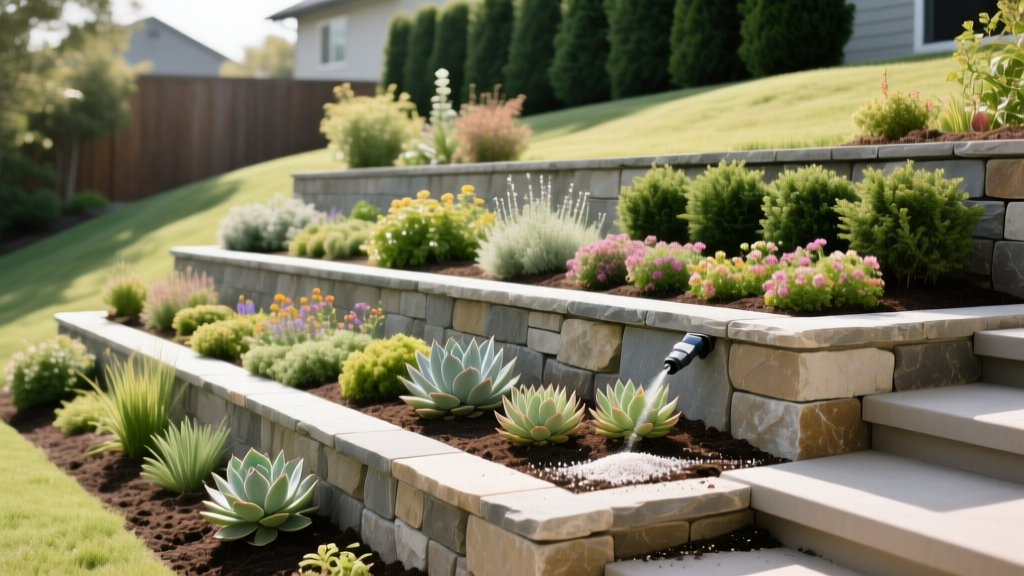
Versa-Lok Retaining Walls: Soil & Fertilizer Schedules 2026
Robert HayesPublished
Integrating Hardscaping and Horticulture in 2026
In the modern landscaping era of 2026, hardscaping is no longer just about structural retention; it is about creating thriving, multi-tiered ecological microclimates. Versa-Lok modular block retaining walls remain a premier choice for landscape architects and DIY homeowners alike due to their pinned, mortarless design and versatility. However, building the wall is only half the battle. The true challenge—and the hallmark of a professional-grade landscape—lies in the soil preparation and the specialized fertilizer schedules required to sustain the terraced garden beds and integrated planting pockets that these walls facilitate.
When you construct a retaining wall, you fundamentally alter the drainage, soil composition, and thermal dynamics of your yard. Standard lawn and garden fertilization routines will fail in these environments, often leading to nutrient leaching, block staining, or plant starvation. This comprehensive guide explores the precise fertilizer types, soil amendments, and seasonal schedules required to maximize the curb appeal and structural harmony of your Versa-Lok retaining wall landscapes in 2026.
The Unique Microclimate of Versa-Lok Terraces and Pockets
Versa-Lok walls utilize a unique pinning system that allows for curves, corners, and, most importantly, planting pockets directly within the modular blocks. Furthermore, the terraced beds created behind the wall face present distinct horticultural challenges. Concrete blocks absorb and radiate heat, creating a warmer microclimate that accelerates soil moisture evaporation and increases the metabolic rate of plant roots. Consequently, plants in these zones require more frequent hydration and a highly regulated nutrient supply.
Additionally, the structural integrity of a Versa-Lok wall relies on free-draining backfill, typically ASTM #57 crushed stone, placed directly behind the blocks to relieve hydrostatic pressure. If you use highly soluble, quick-release fertilizers in the adjacent topsoil, the nutrients will rapidly wash through the soil profile, into the drainage aggregate, and weep out of the wall face. This not only starves your plants but can also cause unsightly mineral streaking on the concrete blocks.
Soil Preparation: The Barrier Between Structure and Sustenance
Before a single granule of fertilizer is applied, proper soil separation is critical. According to Versa-Lok engineering guidelines, maintaining a clear drainage path is essential for wall longevity. When filling the terraced beds behind the wall, you must separate the structural drainage aggregate from the nutrient-rich planting soil using a high-quality, permeable geotextile landscape fabric.
For the planting soil itself, a 2026 best practice is to use a loam-based mix amended with biochar and compost. Biochar acts as a microscopic sponge, holding onto fertilizer nutrients and preventing them from leaching into the wall's drainage zone. This creates a stable, nutrient-dense environment that supports deep root growth without compromising the geogrid reinforcement layers buried within the soil mass.
Selecting the Right Fertilizers for Retaining Wall Landscapes
Because of the rapid drainage and heat retention inherent to retaining wall environments, the type of fertilizer you choose is paramount. The University of Minnesota Extension notes that understanding the release mechanisms of fertilizers is key to preventing nutrient loss and environmental runoff, a principle that is doubly important in terraced hardscapes. You can explore their detailed breakdown of fertilizer types and release mechanisms to understand the chemistry behind these choices.
1. Polymer-Coated Slow-Release Granular Fertilizers
For the main terraced beds, polymer-coated slow-release fertilizers (such as 2026 formulations of Osmocote or Nutricote) are mandatory. These granules are coated in a semi-permeable resin that releases nitrogen, phosphorus, and potassium gradually based on soil temperature and moisture. This ensures a steady food supply for shrubs and perennials over 4 to 6 months, virtually eliminating the risk of nutrient leaching into the wall's drainage stone.
2. Organic and Bio-Stimulant Blends
The concrete blocks of a Versa-Lok wall can create an alkaline microclimate as minute amounts of calcium carbonate leach into the adjacent soil over time. To combat this and improve soil biology, incorporate organic fertilizers rich in humic acids and mycorrhizal fungi. Clemson HGIC emphasizes the importance of building healthy soil biology to help plants uptake nutrients efficiently, especially in challenging, confined spaces like terraced beds.
3. Water-Soluble Feeds for Planting Pockets
The planting pockets built directly into the Versa-Lok blocks act essentially like terracotta containers. They hold very little soil and dry out rapidly. Slow-release granules can sometimes struggle to break down in these tiny, fast-drying volumes. Instead, use a diluted, water-soluble organic liquid fertilizer (such as a kelp and fish emulsion blend) applied every two weeks during the active growing season.
2026 Fertilizer Schedule for Versa-Lok Landscapes
Maintaining a lush retaining wall landscape requires a bifurcated approach: one schedule for the deep terraced beds, and another for the shallow block pockets. Below is the recommended 2026 maintenance schedule.
| Season / Month | Zone | Fertilizer Type | Application Rate & Method | 2026 Pro-Tip |
|---|---|---|---|---|
| Early Spring (April) | Terraced Beds | Polymer-Coated Slow-Release (e.g., 18-6-12) | 3 lbs per 100 sq ft, scratched into top 2 inches of soil | Apply before mulching to ensure granules contact soil moisture for activation. |
| Early Spring (April) | Block Pockets | Compost Top-Dress + Mycorrhizal Inoculant | 1 inch of compost mixed with root-zone fungi | Replenishes organic matter lost to winter erosion from the small pockets. |
| Early Summer (June) | Block Pockets | Liquid Kelp / Fish Emulsion (Low N-P-K) | Dilute to 50% strength, apply via watering can bi-weekly | Kelp provides trace minerals and helps plants resist heat stress from the concrete. |
| Late Summer (August) | Terraced Beds | Iron Chelate (if chlorosis is present) | Foliar spray or targeted soil drench | Concrete can raise soil pH, locking up iron. Chelated iron bypasses this issue. |
| Early Fall (September) | Terraced Beds | Organic Granular (High Potassium, e.g., 5-3-10) | 2 lbs per 100 sq ft | Potassium promotes root hardiness before winter freeze-thaw cycles shift the soil. |
Avoiding Efflorescence and Block Staining
One of the most common complaints among homeowners with modular block retaining walls is the appearance of white, crusty efflorescence or dark, rusty streaks on the concrete faces. While efflorescence is a natural byproduct of water moving through concrete and depositing salts, improper fertilization drastically accelerates the problem.
Fertilizers high in soluble salts, particularly cheap synthetic nitrogen blends, will wash through the soil and weep out of the wall's drainage ports, leaving severe white staining as the water evaporates. Furthermore, fertilizers containing iron sulfates can cause permanent rust-colored stains on the Versa-Lok blocks if spilled or allowed to leach through the face. In 2026, always opt for low-salt-index fertilizers and chelated micronutrients. If you must apply a liquid feed near the wall face, use a shield or a targeted drip-applicator to ensure the solution goes directly into the root zone and not onto the hardscape.
Sustainable Practices and the Future of Wall Landscaping
As environmental regulations regarding nutrient runoff tighten in 2026, the landscaping industry has pivoted heavily toward bio-stimulants and precision feeding. When managing a Versa-Lok retaining wall, integrating a smart drip-irrigation system paired with a fertigation (fertilizer + irrigation) injector allows for micro-dosing of nutrients directly to the root zones of terraced plants. This eliminates surface runoff, prevents fertilizer from washing into the geogrid-reinforced backfill, and ensures that every drop of water and nutrient is utilized by the plant.
By treating your Versa-Lok retaining wall not just as a structural barrier, but as a complex, multi-tiered container garden, you can achieve a breathtaking landscape that is both structurally sound and horticulturally vibrant for decades to come.

