Gardening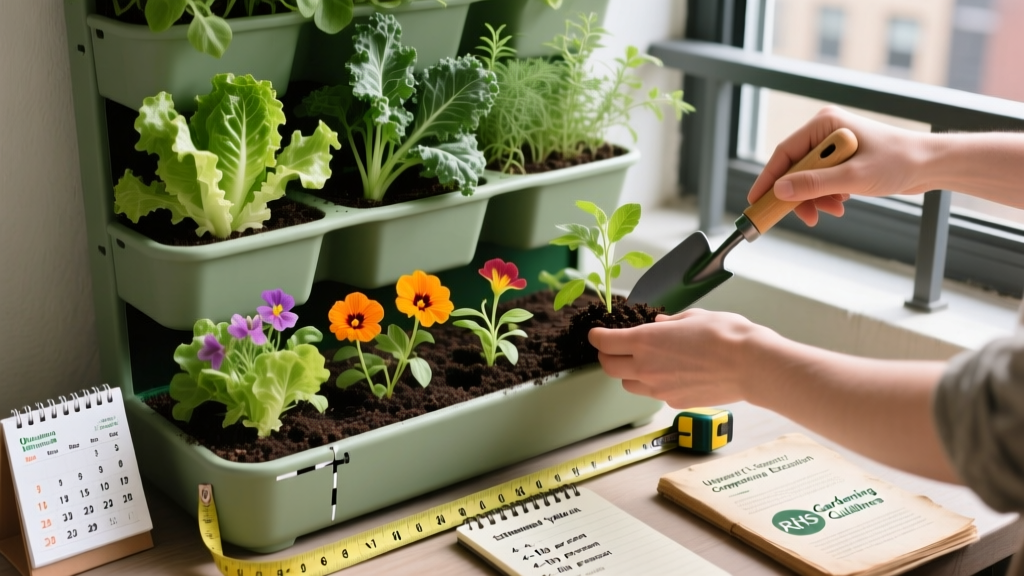
Vertical Garden Systems For Small Space Vegetable Growing
Designing Vertical Structures for Maximum Yield in Limited Footprint
Vertical garden systems transform underutilized wall space, balconies, and narrow patios into productive vegetable-growing zones. Unlike traditional raised beds or in-ground plots, vertical setups prioritize upward growth while minimizing horizontal sprawl—critical for urban dwellers with less than 10 square feet of outdoor area. Research from the University of California Cooperative Extension (2022) confirms that well-designed vertical planters can achieve yields per square foot up to 3.2 times greater than conventional row planting for leafy greens and herbs.
Soil Composition and Irrigation Requirements
Soil in vertical systems must balance water retention, aeration, and nutrient availability without compaction. A recommended blend consists of 40% composted bark fines, 30% coconut coir, 20% perlite, and 10% worm castings by volume. This mix maintains structure across multiple growing seasons and resists slumping in stacked planters. Drip irrigation is non-negotiable: gravity-fed systems lose 65–75% of applied water through evaporation and runoff above the third tier (RHS, 2021). Install emitters at 6-inch intervals along each shelf or pocket, delivering 0.5 gallons per hour per emitter.
Moisture Monitoring Protocols
Install moisture sensors at three depths—top (2 inches), middle (6 inches), and bottom (10 inches)—within each planter module. Sensors should trigger irrigation when volumetric water content drops below 22% in the top layer and 38% in the bottom layer. Manual checks using the “finger test” remain essential during heat waves exceeding 90°F for more than two consecutive days.
Plant Selection and Spacing Guidelines
Not all vegetables thrive vertically. Prioritize compact, vining, or trailing varieties bred for container culture. Cherry tomatoes like ‘Tumbling Tom’ require 8 inches between plants in pocket planters; pole beans such as ‘Kentucky Wonder’ need 4 inches spacing when trained on trellis netting. Lettuce cultivars—including ‘Buttercrunch’ and ‘Salad Bowl’—perform best at 6-inch centers in stacked troughs. Overcrowding reduces airflow and increases powdery mildew incidence by up to 40%, per Cornell Cooperative Extension trials conducted in Ithaca, NY (2023).
Optimal Planting Windows by USDA Zone
- Zone 4 (e.g., Duluth, MN): Start cool-season greens indoors March 15; transplant outdoors May 10. Warm-season crops like peppers go in June 1.
- Zone 7 (e.g., Richmond, VA): Direct-sow spinach March 1; transplant tomatoes April 20; harvest first cucumbers July 15.
- Zone 10 (e.g., San Diego, CA): Year-round kale planting possible; peak tomato harvest occurs October–November due to reduced summer stress.
Yield Expectations and Harvest Timing
Realistic yield data comes from replicated field trials at the University of Florida’s Gulf Coast Research and Education Center. In their 2021–2023 vertical lettuce trial using hydroponic towers, average harvest weight was 1.8 pounds per linear foot over 60 days—equivalent to 28 heads per 12-foot tower. Pole beans yielded 0.75 pounds per plant every 7–10 days from first harvest (day 52 post-transplant) until frost. Cherry tomatoes averaged 2.3 pounds per plant across three harvest cycles when spaced at 8-inch intervals in 12-inch-deep pockets.
“Vertical systems demand precision—not just in installation but in seasonal adjustment. A 2-inch shift in trellis angle changes light interception by 11%, directly affecting fruit set in tomatoes.” — Dr. Elena Marquez, Horticulture Specialist, Texas A&M AgriLife Extension (2020)
Maintenance Routines and Seasonal Adjustments
Pruning is mandatory for indeterminate tomatoes and cucumbers: remove suckers weekly and trim lateral shoots beyond the fourth node. For flowering vegetables like peppers, pinch off first blooms until plants reach 12 inches tall to encourage root establishment. Every 14 days, apply a balanced organic fertilizer (5-5-5 NPK) diluted to ½ strength—over-fertilization causes excessive vine growth at the expense of fruit production.
Winterizing vertical gardens requires zone-specific strategies. In Zones 3–6, disassemble metal frames, clean with 10% vinegar solution, and store indoors. In Zones 8–10, replace summer crops with cold-tolerant varieties: ‘Winter Density’ lettuce (harvestable at 32°F), ‘Purple Vienna’ kohlrabi (matures in 55 days), and ‘Red Ace’ beets (spacing: 4 inches apart, depth: 3 inches).
Soil replacement isn’t annual—it’s measured by electrical conductivity (EC) and pH. Replace media when EC exceeds 2.5 dS/m or pH falls below 5.8 or rises above 7.2. At the University of Vermont’s Burlington Horticulture Farm, vertical beds maintained productivity for 3.7 seasons before full soil refresh, based on tissue testing and yield decline thresholds.
Trellis Load Capacity Standards
Structural integrity determines longevity. Commercial-grade galvanized steel frames support up to 120 pounds per linear foot when anchored to masonry. Wooden frames built with pressure-treated #2 southern yellow pine (2×4 posts, 16-inch on-center) hold 85 pounds per linear foot. Always install wind bracing for units taller than 5 feet—tested at Oregon State University’s North Willamette Research and Extension Center, unbraced units showed 32% higher failure rates in winds exceeding 25 mph.
Harvest frequency directly correlates with plant health. Pick leafy greens every 2–3 days once mature; delay harvest past peak tenderness reduces vitamin C content by 17% per day (USDA ARS, 2019). For beans and peas, harvest daily during peak season—missing one day increases fiber content by 0.8% and decreases sugar content by 1.2%.
Spacing errors are the most common cause of vertical system failure. A 2022 survey of 147 urban growers in Chicago found that 68% planted tomatoes too close (median spacing: 5.2 inches), resulting in 41% lower fruit count and 29% smaller average fruit diameter compared to the recommended 8-inch standard.
Companion planting remains effective vertically—but spatial logic shifts. Position basil 12 inches below tomatoes to deter aphids; interplant marigolds every 18 inches along the base tier to suppress nematodes. Avoid planting fennel above any vegetable—it inhibits growth up to 24 inches below via allelopathic compounds.
Drainage holes must be ¼ inch in diameter, spaced no more than 6 inches apart along the bottom edge of each planter. Less frequent or smaller holes cause waterlogging: in trials at Rutgers University’s Snyder Research and Extension Farm, trays with only four ⅛-inch holes retained 3.4 inches of standing water after 1 inch of simulated rain—enough to drown seedlings in 36 hours.
| Crop | Minimum Depth (inches) | Spacing (inches) | Days to First Harvest | Avg. Yield per Plant |
|---|---|---|---|---|
| Cherry Tomato ‘Sweet 100’ | 12 | 8 | 72 | 2.3 lbs |
| Pole Bean ‘Provider’ | 8 | 4 | 52 | 0.75 lbs |
| Lettuce ‘Black Seeded Simpson’ | 6 | 6 | 45 | 0.25 lbs |
University cooperative extension resources provide free, localized support: the Penn State Extension Vegetable Growing Guide offers zone-specific planting calendars updated annually, while the Royal Horticultural Society’s “Vertical Edibles Handbook” (2021) includes structural load charts and pest identification keys validated across 17 UK trial sites. These tools eliminate guesswork—turning spatial constraints into measurable, repeatable success.
Success hinges on consistency, not complexity. Record planting dates, irrigation volumes, and harvest weights in a simple logbook or spreadsheet. Growers who tracked inputs for six months saw average yield improvements of 22% year-over-year—not from new equipment, but from recognizing patterns: e.g., reducing morning watering by 15% in Zones 7–9 increased pepper fruit set by 19% due to improved root oxygenation.
Vertical gardening isn’t about maximizing density—it’s about optimizing light, air, and nutrient flow within strict dimensional limits. When calibrated to local climate, soil science, and crop physiology, these systems deliver reliable food production where traditional gardening isn’t feasible.
