Pest Control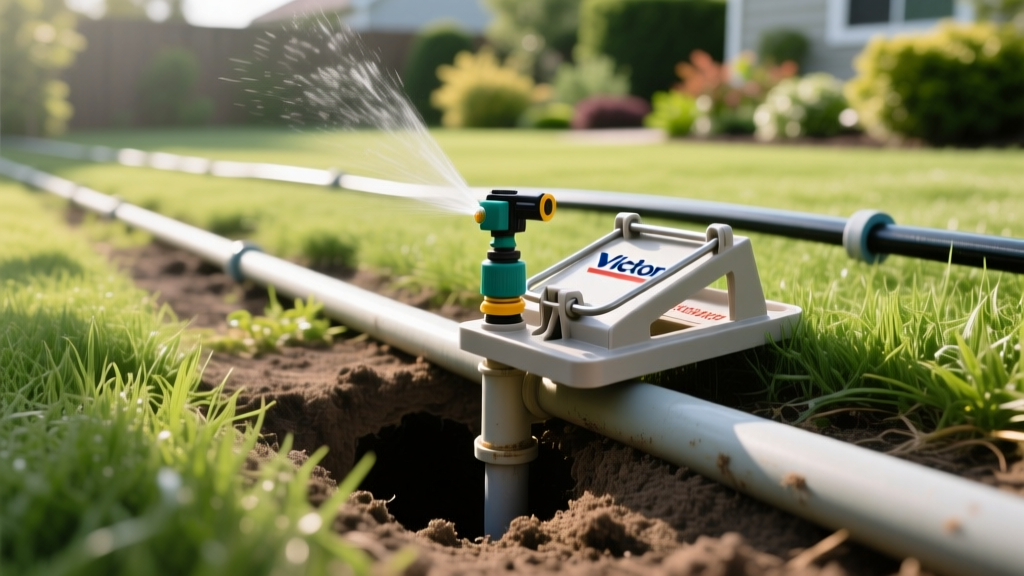
Victor Out O'Sight Mole Trap Placement Near Irrigation Lines (2026)
James MillerPublished
The Intersection of Irrigation Systems and Mole Infestations
When designing and maintaining a lush, green lawn, your sprinkler and irrigation systems are your greatest assets. However, the very moisture these systems provide can inadvertently create the perfect habitat for one of the most destructive lawn pests: the mole. Moles are insectivores that primarily feed on earthworms, grubs, and other soil-dwelling invertebrates. Earthworms naturally migrate closer to the soil surface in moist environments. Consequently, lawns that are frequently watered—or areas with leaky irrigation valves and over-saturating sprinkler heads—become prime hunting grounds for moles.
This dynamic creates a severe conflict between pest activity and underground infrastructure. As moles tunnel through the topsoil in search of food, their extensive network of runs can severely disrupt your irrigation layout. Shallow surface tunnels often expose drip irrigation lines to UV degradation and physical damage from lawn mowers. Deeper runs can undermine the soil supporting PVC lateral lines and sprinkler risers. When heavy irrigation cycles saturate these hollowed-out tunnels, the soil structure collapses, resulting in unsightly sinkholes, broken sprinkler heads, and severed water lines. Addressing the mole problem quickly is essential to protecting your irrigation investment in 2026.
Why the Victor Out O'Sight Trap Excels in Irrigated Zones
Among the various lethal control methods available, the Victor Out O'Sight Mole Trap (specifically Model 0645) remains a top recommendation for pest control professionals and homeowners alike. This scissor-style trap is uniquely suited for the moist, heavy soils typically found in irrigated lawns. Unlike harpoon or spear traps, which rely on a trigger mechanism that can easily become gummed up or obstructed by wet clay and mud, the Victor Out O'Sight utilizes a powerful, spring-loaded scissor jaw that snaps shut with immense force.
The trap is constructed from weather-resistant materials that withstand constant exposure to sprinkler spray and high soil moisture without rusting or degrading rapidly. Furthermore, its low-profile design allows it to sit flush within the mole run, minimizing the chance that the animal will detect it and push soil around it to block the trap. When placed correctly near active irrigation zones, the Victor Out O'Sight capitalizes on the mole's natural instinct to clear obstructed tunnels, triggering the trap the moment the pest attempts to push through the jaws.
Step-by-Step Victor Out O'Sight Trap Placement Near Sprinkler Lines
Placing a lethal trap near underground utilities requires precision, care, and a thorough understanding of your irrigation layout. Follow these detailed steps to safely and effectively deploy the Victor Out O'Sight trap without damaging your sprinkler system.
Step 1: Map Your Irrigation Zones and Locate the Active Run
Before probing the soil, consult your smart irrigation controller app or physical irrigation map to identify the exact location of your underground PVC or polyethylene lateral lines. Most lateral lines are buried between 8 and 12 inches deep, while drip lines and low-volume micro-sprinkler tubing may be just 1 to 2 inches below the surface. Identify the most recently active mole run—usually indicated by fresh, moist mounds of soil or raised ridges that feel spongy underfoot. Ensure the chosen run intersects safely away from major water mains or valve boxes.
Step 2: Carefully Excavate the Trap Site
Using a blunt-ended trowel or a specialized mole probe, gently uncover a small section of the active tunnel. Do not use sharp spades or aggressive digging tools that could easily slice through shallow irrigation tubing. Excavate a section of the tunnel just large enough to accommodate the base of the Victor Out O'Sight trap, typically about 6 inches in diameter. Remove all loose dirt, roots, and debris from the tunnel floor. A clean, flat base is critical; if the trap sits unevenly, the mole will simply dig underneath it, bypassing the scissor jaws entirely.
Step 3: Set the Victor Out O'Sight Safely
Always wear heavy leather gloves when setting scissor traps. Compress the spring-loaded handles together until the jaws open wide, and engage the safety catch hook over the trigger lever. Carefully lower the trap into the excavated section of the tunnel. The jaws should straddle the tunnel so that the mole must pass directly through them to continue its path. Pack the surrounding soil firmly against the outside of the trap to block out light, but be extremely careful not to let any dirt fall into the tunnel or onto the sensitive trigger pan.
Step 4: Concealment and Marking
Moles are highly sensitive to light and drafts. If they detect an opening, they will abandon the run or plug it with dirt from behind, potentially triggering the trap prematurely without being caught. Place a small bucket, a piece of dark tarp, or a specialized trap cover over the excavation site to block sunlight and protect the trap from direct sprinkler spray. Crucially, mark the location with a brightly colored flag or a tall stake. This ensures you do not accidentally step on the trap or run over it with a lawn mower, and it reminds you to skip this specific area during your next irrigation cycle.
Comparison Chart: Mole Traps in Moist, Irrigated Soil
Choosing the right trap is vital when dealing with the heavy, wet soils characteristic of irrigated lawns. Below is a comparison of common trap types based on their performance in high-moisture environments.
| Trap Type | Brand / Model Example | Performance in Wet Soil | Irrigation Zone Compatibility |
|---|---|---|---|
| Scissor Jaw | Victor Out O'Sight (0645) | Excellent. Jaws snap shut forcefully, cutting through wet clay and roots without jamming. | High. Low profile sits well in shallow runs near drip lines. |
| Harpoon / Spear | Victor Plunger / Wire Tek | Poor to Fair. Trigger mechanisms frequently jam or rust when exposed to constant moisture and heavy clay. | Low. Tall profile makes it difficult to conceal near sprinkler heads. |
| Choker Loop | Nash Choker Loop | Good. Simple wire mechanism is less prone to jamming, but requires precise tunnel sizing. | Medium. Requires deeper excavation, increasing the risk of hitting PVC lines. |
Managing Your Sprinkler Schedule While Trapping
One of the most critical aspects of trapping moles in an irrigated landscape is managing your watering schedule. Running your sprinklers over an active trap site is a recipe for failure. High-volume water flow can wash loose soil into the tunnel, prematurely springing the trap or burying it in mud. Furthermore, the vibration from heavy rotor sprinkler heads can sometimes trigger sensitive traps.
In 2026, most modern smart irrigation controllers, such as the Rachio 4 or Hunter Hydrawise, allow for granular zone management. You should completely disable the specific irrigation zone where the Victor Out O'Sight trap is deployed. If your lawn requires water to prevent drought stress during the trapping period, utilize a temporary hose-end sprinkler or a portable drip line to water adjacent zones manually. Once the mole is successfully caught and removed, repair the tunnel, backfill the soil, and resume your normal automated irrigation schedule.
Long-Term Irrigation Adjustments to Deter Moles
While the Victor Out O'Sight trap is highly effective at eliminating individual moles, long-term pest management requires altering the environment to make it less attractive to future invaders. According to integrated pest management guidelines published by the UC Agriculture and Natural Resources, modifying soil moisture is a key cultural control strategy.
Transitioning from frequent, shallow watering to deep, infrequent irrigation is your best defense. Shallow watering keeps the top few inches of soil perpetually moist, drawing earthworms to the surface and inviting moles to dig shallow, destructive surface runs. By watering deeply and allowing the top layer of soil to dry out between cycles, you force earthworms deeper into the soil profile, which in turn forces moles to dig deeper or move elsewhere to find food. Additionally, routinely audit your sprinkler system for leaky valves, broken risers, and over-spraying heads. Fixing these localized moisture issues removes the concentrated worm buffets that act as magnets for tunneling pests. For more comprehensive lawn care strategies, resources from Michigan State University Extension emphasize that combining proper irrigation practices with targeted trapping yields the highest long-term success rates for mole eradication.
Safety, Legal, and Environmental Considerations for 2026
Before deploying any lethal scissor trap, it is imperative to verify your local and state wildlife regulations. While the Victor Out O'Sight is legal in most jurisdictions, some regions have restricted the use of scissor and choker traps due to animal welfare concerns or the risk of capturing non-target species. Always check with your local department of natural resources or county extension office before setting traps.
Safety around children and pets is another paramount concern, especially in high-traffic lawn areas near irrigation valve boxes. The Victor Out O'Sight possesses incredibly strong springs that can cause severe injury to fingers or paws. Never place a trap in an area where dogs dig or where children play. The use of a secure, lockable trap cover or a heavy bucket weighed down with a brick is non-negotiable. Furthermore, when working near irrigation valve boxes, ensure that the trap is not placed directly inside the box where it could interfere with the solenoid wiring or automatic drain valves. By combining meticulous trap placement with smart irrigation management, you can reclaim your lawn from destructive moles while keeping your sprinkler system fully intact and operational throughout 2026.