Home & Garden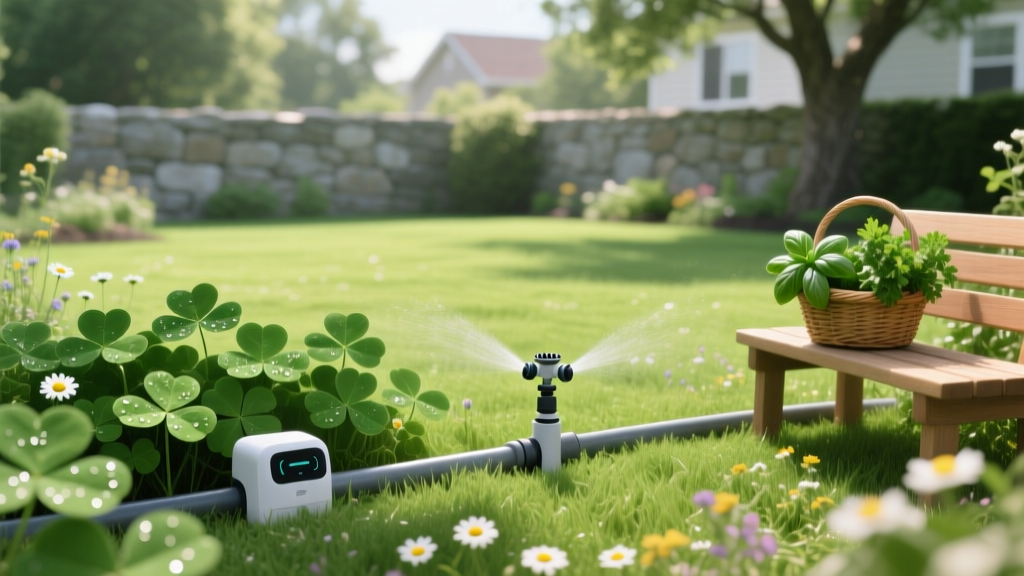
Viral Clover Lawns: Smart Irrigation & Eco-Care Tips
Emily WatsonPublished
The Viral Clover Lawn: Why Eco-Gardeners Are Ditching Turf
If you have spent any time on TikTok, Instagram, or Pinterest lately, you have likely encountered the #CloverLawn trend. Homeowners and landscaping influencers are ripping out traditional, high-maintenance Kentucky bluegrass and replacing it with lush, eco-friendly microclover and white clover. But this viral movement is more than just a social media aesthetic; it is a fundamental shift toward sustainable, energy-efficient landscaping that bridges the gap between beautiful outdoor living spaces and practical garden-to-table lifestyles.
Unlike traditional turfgrass, clover is a legume. It naturally pulls nitrogen from the air and fixes it into the soil, acting as a built-in, organic fertilizer. It stays green during mild droughts, requires significantly less mowing, and produces delicate white or pink flowers that serve as a haven for local pollinators. When paired with modern smart home technology—specifically smart irrigation controllers and automated outdoor lighting—the clover lawn becomes the ultimate intersection of viral eco-trends and cutting-edge home automation.
Clover vs. Traditional Turf: The Data Breakdown
Before you invest in smart irrigation and landscaping overhauls, it is essential to understand the tangible differences between a traditional lawn and a viral clover lawn. The following comparison chart highlights why eco-conscious gardeners are making the switch.
| Feature | Traditional Kentucky Bluegrass | Microclover / White Clover Blend |
|---|---|---|
| Water Requirement | 1 to 1.5 inches per week | 0.5 inches per week (Highly drought-tolerant) |
| Fertilizer Needs | 2-4 lbs Nitrogen / 1000 sq ft / year | Zero (Fixes its own nitrogen naturally) |
| Mowing Frequency | Weekly during peak growing season | Bi-weekly or monthly (Grows low and dense) |
| Weed Resistance | Moderate (Requires herbicides) | High (Dense canopy chokes out broadleaf weeds) |
| Est. Seed Cost | $15 - $25 per 5 lbs | $30 - $50 per 1 lb (Microclover seed) |
As noted by experts at Penn State Extension, white clover (Trifolium repens) thrives in poor soils and naturally outcompetes many common lawn weeds due to its dense, mat-forming growth habit. While the upfront cost of microclover seed is higher per pound, the seeding rate is much lower, and the long-term savings on water, fertilizer, and gas for mowing make it a financially sound investment.
Integrating Smart Irrigation for the Perfect Eco-Lawn
One of the most common mistakes new clover lawn owners make is overwatering. Because clover has deep taproots and retains moisture well, treating it like traditional turfgrass will lead to shallow root systems and fungal issues. This is where smart home integration becomes a game-changer.
Upgrading to a Weather-Based Irrigation Controller (WBIC) ensures your clover gets exactly what it needs without waste. According to the EPA WaterSense program, smart irrigation controllers can save the average home nearly 8,800 gallons of water annually by adjusting watering schedules based on real-time local weather data, soil moisture levels, and evapotranspiration rates.
Top Smart Irrigation Setups for Clover
- Rachio 3 Smart Sprinkler Controller: This Wi-Fi-enabled controller integrates with local weather stations to skip watering before rain events. For clover, set your zone run times to 15 minutes, twice a week, rather than daily shallow watering.
- Orbit B-hyve XR: Ideal for larger properties, this system supports soil moisture sensors. Place a wireless moisture sensor in your clover zone and set the threshold to 40% VWC (Volumetric Water Content) to trigger irrigation only when the soil truly needs it.
- Drip Irrigation Conversion: If you are establishing a new clover lawn mixed with drought-tolerant garden beds, consider converting traditional spray heads to drip lines. Drip systems deliver water directly to the root zone, reducing evaporation by up to 50%.
Step-by-Step: Transitioning to a Clover Lawn
Ready to join the viral trend? Here is how to transition your yard using actionable, seasonal timing.
1. Timing and Preparation (Early Spring or Early Fall)
The best time to plant clover is when soil temperatures are between 50°F and 65°F. Start by scalping your existing lawn to a height of 1 inch. Core aerate the soil to relieve compaction and create pockets for the tiny clover seeds to make soil contact.
2. Seeding Rates and Application
For pure microclover lawns, use a seeding rate of 2 to 3 ounces per 1,000 square feet. If you are overseeding an existing thinning grass lawn, mix 1 ounce of clover seed with a carrier like sand or compost to ensure even distribution. Use a broadcast spreader, and lightly rake the seed into the top 1/8 inch of soil.
3. The Germination Phase
Clover seeds are small and must stay consistently moist to germinate. Program your smart irrigation controller to run for 5 minutes, three times a day, for the first 14 days. Once seedlings reach 2 inches tall, taper off to deep, infrequent watering to encourage those vital drought-resistant taproots.
Smart Lighting: The Viral Moonlight Garden Aesthetic
Bridging indoor and outdoor living means your landscape should look as stunning at 9 PM as it does at noon. The viral moonlighting technique involves mounting smart LED fixtures high up in mature trees, pointing downward through the branches to cast soft, dappled shadows on your clover lawn below.
Using smart outdoor lighting systems like the Philips Hue Outdoor Discover Floodlight or Ring Smart Pathway Lights, you can automate your garden ambiance. Set your smart hub to trigger a warm 2700K color temperature at dusk. This specific warm spectrum not only creates a cozy, high-end resort vibe for your outdoor patio furniture but is also less disruptive to the nocturnal pollinators and wildlife that visit your clover blossoms.
Garden-to-Table: Harvesting Your Clover Lawn
A clover lawn is not just a groundcover; it is an edible, foraging landscape. Clover flowers and young leaves are entirely edible and packed with vitamins. The Xerces Society for Invertebrate Conservation highlights that clover blossoms are a vital early-season nectar source for native bees, but they also serve as a fantastic ingredient for your kitchen.
Clover Blossom Simple Syrup
Harvest fresh, pesticide-free white or pink clover blossoms from your lawn. Rinse them gently and steep 2 cups of blossoms in 2 cups of boiling water for 30 minutes. Strain the floral water, combine it with 2 cups of organic cane sugar, and simmer until dissolved. This viral garden-to-table syrup is perfect for crafting artisanal lemonades, glazing summer grilled chicken, or sweetening your morning iced tea.
Final Thoughts on the Eco-Lawn Revolution
The viral clover lawn trend represents a permanent shift in how we view our outdoor spaces. By combining the natural, nitrogen-fixing power of clover with intelligent, water-saving irrigation technology and atmospheric smart lighting, you create a landscape that is as functional as it is beautiful. You will save thousands of gallons of water, eliminate chemical fertilizers, support local pollinator populations, and enjoy a lush, green yard that seamlessly extends your home living space into the great outdoors.
