Pest Control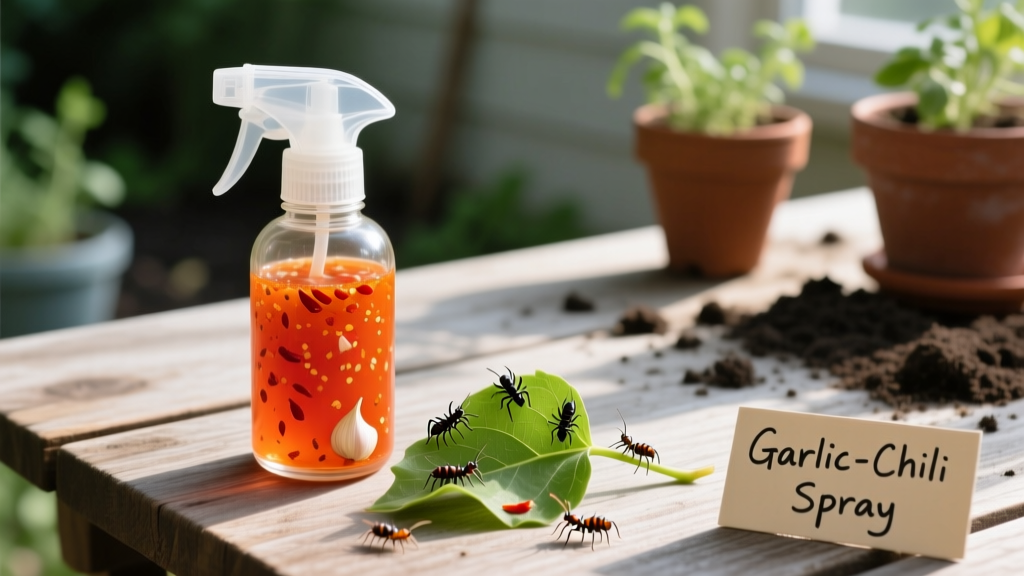
Testing Viral Pest Hacks: Do DIY Soap & Garlic Sprays Work?
Robert HayesPublished
The Viral Sensation: Garlic and Chili Pepper Spray
If you have spent any time on TikTok, Instagram Reels, or YouTube Shorts lately, you have likely encountered the viral gardening hack promising to obliterate aphids, spider mites, and whiteflies using nothing but kitchen scraps. The premise is simple: blend garlic and hot peppers, strain the liquid, and spray it on your prized lawn and garden plants. Influencers claim it is a 100% natural, chemical-free miracle cure that costs pennies compared to commercial pesticides. But as any seasoned horticulturist knows, viral trends do not always translate to horticultural success. At lawnsguide.com, we put the viral garlic and chili pepper pest spray to the test, analyzing the science, the safety, and the actual results to determine if this internet-famous hack is worth your time.
The Science Behind the Burn: Why It (Mostly) Works
To understand why this DIY spray can be effective, we have to look at the active chemical compounds found in the ingredients. Garlic contains allicin, a sulfur-rich compound that acts as a potent natural repellent and possesses mild antifungal properties. When garlic is crushed or blended, the enzyme alliinase converts alliin into allicin, releasing that signature pungent odor that masks the scent of your host plants from foraging insects.
Hot peppers, on the other hand, bring the heat—literally. The active component is capsaicin, the same chemical that makes habaneros and jalapeños spicy to human palates. For soft-bodied insects like aphids, thrips, and spider mites, capsaicin is a severe irritant. It disrupts their cellular membranes and deters feeding. According to the University of Minnesota Extension, homemade insecticides utilizing hot pepper extracts can effectively reduce pest populations on contact by causing rapid dehydration and neurological irritation in susceptible insects.
However, there is a catch: neither allicin nor capsaicin is systemic. This means the spray only works on direct contact. If you miss the underside of a leaf where spider mites are hiding, the spray will not protect the plant. Furthermore, without a proper surfactant, the water-based spray will simply bead up and roll off the waxy cuticle of many garden leaves, rendering the treatment useless.
The Ultimate DIY Recipe (Tested and Adjusted)
Most viral videos simply tell you to blend peppers and water. We quickly learned during our testing that this basic mixture clogs spray nozzles and fails to stick to foliage. To make the viral hack actually work, you must add a surfactant. Here is the optimized, tested recipe that balances efficacy with plant safety.
Ingredients and Tools
- 1 entire head of garlic (peeled)
- 3 to 4 hot peppers (Habanero or Cayenne work best due to high Scoville heat units)
- 1 quart of distilled or filtered water
- 1 teaspoon of pure liquid Castile soap (e.g., Dr. Bronner's Unscented) - This is your crucial surfactant.
- A high-speed blender
- A fine mesh strainer or cheesecloth
- A pump-action garden sprayer
Step-by-Step Preparation
- Blend: Combine the garlic, hot peppers, and half of the water in the blender. Blend on high until a smooth, pulpy slurry forms.
- Steep: Pour the slurry into a jar, add the remaining water, and let it sit overnight (12 to 24 hours) at room temperature. This allows the capsaicin and allicin to fully extract into the water.
- Strain: Pour the mixture through a fine mesh strainer or multiple layers of cheesecloth. Do not skip this step. Even tiny particles of pepper will clog the internal tubes of your garden sprayer.
- Add Surfactant: Right before application, stir in the teaspoon of Castile soap. The soap breaks the surface tension of the water, allowing the spicy liquid to coat the insects and stick to the leaves rather than rolling off.
Application Guide: Timing, Costs, and Safety
Applying this mixture requires the same caution as applying commercial chemicals. Capsaicin is a severe irritant to human eyes and mucous membranes. Always wear safety goggles, gloves, and a mask when spraying, especially on windy days. The cost per batch is roughly $2.50, assuming you are buying fresh produce, making it significantly cheaper than commercial organic sprays which often retail for $15 to $20 per bottle.
Timing is everything. Never apply this spray during the heat of the day or in direct sunlight. The combination of water, soap, and intense UV rays will cause severe phytotoxicity (leaf burn), effectively damaging the very plants you are trying to save. Spray at dusk when beneficial pollinators like bees and butterflies are no longer active. While the spray is non-toxic to bees once dry, hitting them directly with soapy, spicy water can be harmful.
Common Mistakes Influencers Make (And How to Avoid Them)
As we scoured social media for the most popular variations of this hack, we noticed several recurring mistakes that lead to disastrous results in the garden. Avoid these pitfalls to ensure your plants survive the treatment.
1. Skipping the Surfactant
Water has high surface tension. When you spray plain garlic water onto the waxy leaves of a cabbage or a rose bush, it forms tight little beads that simply roll off onto the soil, taking the active capsaicin with it. Adding a teaspoon of pure Castile soap or a commercial horticultural spreader-sticker is non-negotiable. The soap reduces surface tension, allowing the liquid to flatten out and coat both the leaf and the soft-bodied pests clinging to it.
2. Using Dish Detergent Instead of Pure Soap
Many viral videos casually suggest adding a squirt of standard kitchen dish soap. This is a massive mistake. Modern dish detergents are not actually soaps; they are complex synthetic degreasers designed to strip grease from cookware. When applied to plants, these detergents strip away the natural protective waxy cuticle of the leaf, leading to rapid dehydration, severe sunburn, and often plant death. Always use a pure, oil-based liquid Castile soap.
3. Ignoring the Undersides of Leaves
Aphids, whiteflies, and spider mites are photophobic and highly vulnerable to UV radiation, which is why they congregate almost exclusively on the undersides of leaves. Influencers often show themselves casually misting the top canopy of a plant, which does absolutely nothing to reach the pests. You must use a pump sprayer with an adjustable nozzle to spray upward, thoroughly drenching the bottom of every single leaf until the liquid just begins to drip.
Comparison Chart: DIY Viral Spray vs. Commercial Alternatives
How does the internet-famous garlic and pepper spray stack up against trusted commercial organic options? We compared them across several key metrics.
| Metric | DIY Garlic & Pepper Spray | Commercial Neem Oil | Insecticidal Soap |
|---|---|---|---|
| Active Ingredients | Capsaicin, Allicin, Fatty Acids (Soap) | Azadirachtin (Clarified Neem) | Potassium Salts of Fatty Acids |
| Target Pests | Aphids, Mites, Thrips, Whiteflies | Aphids, Mites, Fungus Gnats, Scale | Aphids, Mites, Mealybugs |
| Cost per Application | ~$0.50 - $1.00 | ~$2.50 - $4.00 | ~$1.50 - $3.00 |
| Risk of Leaf Burn | Moderate (High if applied in sun) | Moderate to High (Oil-based) | Low to Moderate |
| Residual Effect | None (Contact only) | Mild (Disrupts growth cycles) | None (Contact only) |
| Preparation Time | 24 Hours (Steeping required) | 5 Minutes (Mix with water) | 0 Minutes (Ready to use) |
What the Experts Say
While the viral trend has merit, agricultural experts urge caution when relying solely on unverified kitchen recipes. The NC State Extension notes that while botanical extracts like capsaicin are recognized as less-toxic insecticides, their efficacy in homemade formulations is highly variable. Commercial hot pepper waxes and insecticidal soaps are formulated with precise pH levels and specialized surfactants that ensure the product adheres to the plant without causing tissue damage.
Furthermore, the Environmental Protection Agency (EPA) classifies many essential oils and botanical extracts as minimum-risk pesticides, but they emphasize that 'natural' does not automatically mean 'safe for all plants.' Some plants, such as peppers, tomatoes, and certain ornamental roses, are highly sensitive to sulfur compounds found in garlic and can suffer from stunted growth or leaf drop if treated with overly concentrated DIY mixtures.
The Final Verdict: Is the Viral Hack Worth the Hype?
So, does the viral garlic and chili pepper spray actually work? The answer is a qualified yes. When prepared correctly with a surfactant and applied at the right time of day, it is a highly effective, ultra-cheap contact spray for knocking down sudden aphid or spider mite infestations. It is an excellent tool in an Integrated Pest Management (IPM) arsenal, particularly for gardeners who want to utilize upcycled kitchen ingredients.
However, it is not a silver bullet. It lacks the residual growth-disrupting properties of Neem oil and requires frequent reapplication, especially after rain or heavy dew. If you are dealing with a severe, garden-wide infestation or soil-dwelling pests like grub worms, this topical spray will not save your lawn. For those issues, you will need to turn to targeted biological controls like beneficial nematodes or Milky Spore.
Ultimately, the TikTok gardeners aren't entirely wrong, but they often leave out the crucial scientific nuances—like the necessity of a surfactant and the dangers of UV-induced leaf burn. Use the hack, but use it smartly. Test it on a single leaf 24 hours before treating your entire garden, protect your eyes, and enjoy a naturally pest-free landscape.