Pest Control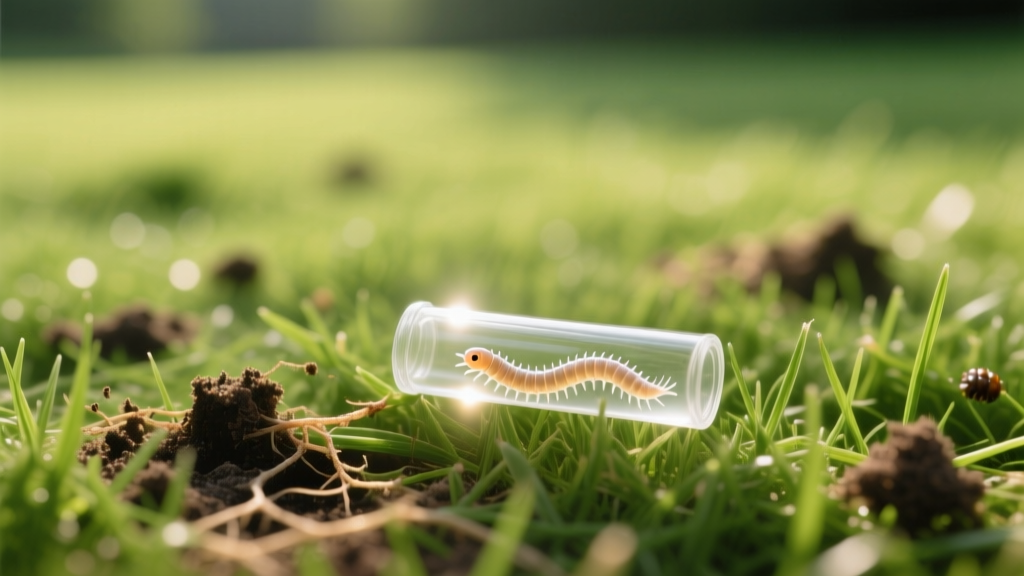
Viral Grub Hack: Using Beneficial Nematodes on Lawns
Robert HayesPublished
The Internet's Favorite Chemical-Free Grub Killer
If you have spent any time on LawnTok or Instagram gardening reels lately, you have likely seen the 'nematode hack.' Content creators and master gardeners alike are showcasing microscopic worms that hunt down and destroy lawn-destroying grubs from the inside out. But is this viral trend actually backed by science, or is it just another internet fad? The truth is, integrated pest management (IPM) professionals have used beneficial nematodes for decades. Now, thanks to better online distribution and consumer awareness, home gardeners can finally access this biological warfare agent. In this guide, we break down exactly how to use beneficial nematodes to save your turf, including the specific species to buy, exact watering measurements, and the mistakes that will kill your nematodes before they do their job.
What Are Beneficial Nematodes?
Beneficial nematodes are microscopic, unsegmented roundworms that occur naturally in soils worldwide. While some nematodes are plant parasites, the species used for pest control are entomopathogenic—meaning they specifically target and kill insects. According to the University of Minnesota Extension, these microscopic predators seek out insect larvae in the soil, enter through natural body openings, and release symbiotic bacteria that kills the host within 24 to 48 hours. The nematodes then feed on the multiplying bacteria, reproduce inside the dead grub, and burst out to hunt the next target. It is a highly effective, naturally occurring cycle that leaves your grass roots completely untouched.
Why Nematodes Are Going Viral on Social Media
The recent surge in popularity comes down to three factors: visual proof, eco-anxiety, and accessibility. Videos showing the rapid decline of grub populations resonate with homeowners tired of seeing their lawns torn up by foraging raccoons and skunks. Furthermore, as more municipalities restrict the use of synthetic neonicotinoids like imidacloprid, gardeners are desperately seeking organic alternatives. Finally, specialized online retailers now ship live nematodes in temperature-controlled packaging directly to your door, making this once-elusive biological control method available to the average DIYer.
Choosing the Right Nematode Species
Not all nematodes hunt the same prey. Buying the wrong species is the number one reason the 'viral hack' fails for beginners. Grubs (the larvae of Japanese beetles, June bugs, and European chafers) require specific nematode strains. Below is a comparison chart to help you select the correct product.
| Nematode Species | Target Pests | Hunting Style | Best Application Zone |
|---|---|---|---|
| Heterorhabditis bacteriophora (Hb) | Japanese beetle grubs, June bugs, European chafers | Cruiser (actively hunts deep in soil) | Deep root zone (2-4 inches) |
| Steinernema carpocapsae (Sc) | Chinch bugs, cutworms, armyworms, webworms | Ambusher (waits near surface for prey) | Surface to shallow soil (0-1 inch) |
| Steinernema feltiae (Sf) | Fungus gnats, thrips, some shallow grubs | Intermediate cruiser | Topsoil and potting mixes |
The Verdict for Grubs: If you are targeting white grubs, you must purchase products containing Heterorhabditis bacteriophora (often sold under brand names like NemaSeek Hb or BioLogic's Scanmask). The University of Kentucky Entomology department notes that because white grubs live deeper in the soil profile, the cruising behavior of Hb nematodes is essential for making contact with the pest.
Step-by-Step Application Guide (The 'Viral' Recipe)
Applying nematodes is not as simple as tossing granular fertilizer on your lawn. These are living organisms that require specific environmental conditions to survive. Here is the exact protocol used by lawn care professionals.
1. Timing is Everything
Nematodes require soil temperatures between 55°F and 85°F to be active. The ideal application window is late summer to early fall (August through September), when grubs are young, actively feeding near the surface, and most vulnerable. Spring applications are generally less effective because grubs are mature and preparing to pupate.
2. Calculate Your Coverage and Cost
The standard application rate is 1 to 2 billion nematodes per acre, which translates to roughly 5 million to 10 million nematodes per 1,000 square feet. Expect to pay between $35 and $50 for a pack of 10 million nematodes, which will cover approximately 1,000 to 2,000 square feet depending on the severity of your infestation.
3. Soil Preparation and Dechlorination
UV light and chlorine are lethal to nematodes. Never apply them in direct sunlight; always apply at dusk or on a heavily overcast day. Furthermore, chlorine in municipal tap water will kill them on contact. Pro Tip: Fill your sprayer tank or watering cans with tap water and let it sit uncovered for 24 hours to allow the chlorine to off-gas before mixing in your nematodes.
4. Mixing and Applying
Use a hose-end sprayer designed for biologicals, or a simple watering can for smaller areas. Remove any fine mesh screens from your sprayer nozzle, as these can shear and kill the microscopic worms. Agitate the tank frequently to keep the nematodes suspended in the water column.
5. Post-Application Watering
Nematodes need a film of water to swim through the soil pores to find their hosts. Water your lawn with exactly 1/4 inch of water immediately before application to moisten the thatch layer. After applying the nematodes, water in another 1/4 inch to wash them off the grass blades and into the soil. Keep the soil consistently moist (but not waterlogged) for the next 7 to 10 days.
Nematodes vs. Chemical Grub Control
How do biological controls stack up against traditional synthetics? Here is a breakdown comparing the viral nematode hack to standard chemical preventatives like Chlorantraniliprole (GrubEx) or Imidacloprid (Merit).
| Feature | Beneficial Nematodes (Hb) | Synthetic Chemicals |
|---|---|---|
| Speed of Control | Fast (kills grubs in 2-5 days) | Slow (takes weeks, requires ingestion) |
| Environmental Impact | Zero runoff toxicity; safe for pollinators | Potential runoff issues; toxic to some aquatic life |
| Pet & Kid Safety | 100% safe immediately after application | Requires watering in and drying time |
| Shelf Life | Short (must be refrigerated, expires in months) | Long (years in a cool, dry garage) |
| Cost per 1,000 sq ft | $17.50 - $25.00 | $4.00 - $8.00 |
While chemicals are cheaper and easier to store, nematodes offer an unparalleled curative solution late in the season when chemical preventatives are no longer effective.
Common Mistakes That Ruin the Hack
As Penn State Extension points out, the primary reason biological controls fail in residential settings is improper handling. Avoid these viral-hack killers:
- Leaving the package in the mailbox: Nematodes ship in cold packs. If you leave them in a hot mailbox for three hours, they will die. Bring them inside and refrigerate them immediately upon delivery.
- Applying during a drought: If you cannot commit to watering your lawn daily for a week post-application, wait for a rainy week or skip the treatment. Dry soil equals dead nematodes.
- Mixing with chemical fertilizers: High salt concentrations from synthetic fertilizers can desiccate and kill nematodes. Do not apply fertilizers within 3 days of your nematode treatment.
- Using hot water: Always use cool or ambient-temperature water. Water from a hose that has been sitting in the hot summer sun can easily exceed 100°F, cooking the nematodes instantly.
'Biological pest control requires a shift in mindset. You are not just applying a product; you are introducing a living workforce to your soil ecosystem. Treat them with care, and they will protect your turf.'
Frequently Asked Questions
Will nematodes harm my earthworms?
No. Entomopathogenic nematodes are highly specialized. They only recognize and infect specific insect larvae. Earthworms, beneficial fungi, and plant roots are completely immune to them.
How long do they live in the soil?
If they do not find a host, applied nematodes will typically survive in the soil for 3 to 4 weeks. If they successfully infect a grub, they will reproduce and release a new generation into the soil, potentially providing season-long control.
Can I use a pump sprayer?
Yes, but you must keep the pressure low (under 300 PSI) and remove the nozzle filter to prevent crushing the microscopic worms. A watering can or a specialized nematode hose-end sprayer is generally safer for DIYers.
Final Thoughts
The viral nematode grub hack is not just a fleeting social media trend; it is a highly effective, scientifically backed IPM strategy. By understanding the biology of Heterorhabditis bacteriophora, timing your application for late summer, and strictly managing your soil moisture and UV exposure, you can eradicate grubs organically. Skip the harsh synthetics, embrace the biological warfare happening beneath your feet, and let nature do the heavy lifting for your lawn.