Pest Control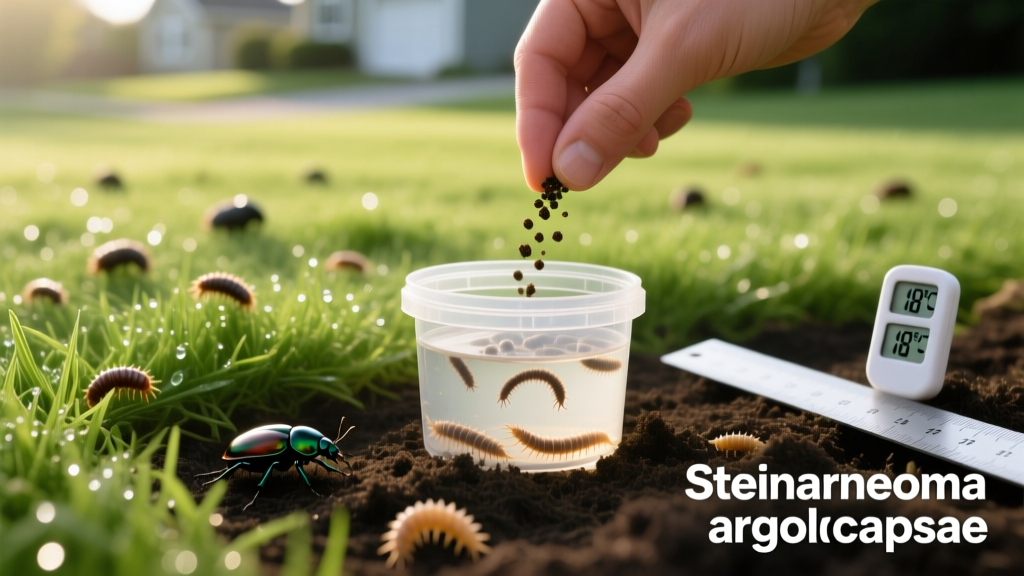
Viral Lawn Hack: Using Beneficial Nematodes for Grubs
Emily WatsonPublished
The Viral Lawn Care Trend Taking Over Social Media
You have probably seen the viral videos on TikTok and Instagram Reels: lawn care influencers spraying a mysterious, milky-white liquid across their turf, claiming it is the ultimate, eco-friendly secret to destroying lawn grubs. No harsh chemicals, no toxic runoff, and no danger to pets or children—just a natural organism that hunts down pests beneath the soil surface. But as a homeowner investing significant time, money, and sweat equity into your lawn, you need to know the truth. Is this viral trend backed by rigorous horticultural science, or is it just another internet fad destined to waste your money? At LawnsGuide, we put the viral beneficial nematode hack to the test, analyzing it through the lens of Integrated Pest Management (IPM) to give you the unvarnished facts.
What Are Beneficial Nematodes?
Beneficial nematodes are microscopic, unsegmented roundworms that occur naturally in soils all over the world. While some nematode species are notorious agricultural pests that damage plant roots, the species used in lawn care are entomopathogenic—meaning they specifically target and kill insects without harming plants, earthworms, or mammals. The viral videos you see online typically feature two specific genera: Heterorhabditis and Steinernema. These microscopic hunters work by entering the pest's body through natural openings and releasing a symbiotic bacteria. This bacteria rapidly multiplies, causing septicemia and killing the host insect, usually a white grub or beetle larva, within 24 to 48 hours. The nematodes then feed on the developing bacteria, reproduce inside the dead host, and emerge to seek out new prey.
Does the Viral Nematode Hack Actually Work?
The short answer is yes, but with significant caveats that most 60-second viral videos completely ignore. According to University of Kentucky Entomology, white grubs are among the most destructive turfgrass pests in North America, feeding aggressively on grassroots and causing massive brown patches. While chemical grubicides like imidacloprid or chlorantraniliprole have long been the industry standard, environmental concerns and pesticide resistance have pushed homeowners toward biological controls. Beneficial nematodes are highly effective when applied correctly, but they are living organisms, not shelf-stable chemicals. If you apply them to dry soil, in direct midday sunlight, or when soil temperatures are too cold, you are essentially spraying dead worms onto your lawn. To succeed, you must treat nematodes as a biological livestock that requires specific environmental conditions to thrive.
Nematode Species Comparison Chart
Not all nematodes hunt the same way or target the same pests. Choosing the wrong species is the number one reason homeowners report that the 'viral hack' failed. Use this chart to select the right biological control agent for your specific lawn pest problem.
| Species | Target Pests | Hunting Style & Soil Depth | Best Application Time |
|---|---|---|---|
| Heterorhabditis bacteriophora (Hb) | White grubs, Japanese beetle larvae, June bugs | Cruiser; penetrates deep soil (2-4 inches) | Late summer to early fall (grub feeding peak) |
| Steinernema carpocapsae (Sc) | Armyworms, cutworms, sod webworms | Ambusher; stays near surface (0-1 inch) | Spring and early summer |
| Steinernema feltiae (Sf) | Fungus gnats, thrips, flea larvae | Intermediate; shallow soil (1-2 inches) | Year-round in mild climates |
Step-by-Step Guide to Applying Nematodes (The Right Way)
If you want to replicate the success of professional turf managers and avoid wasting your money, follow this strict IPM protocol for nematode application. Products like BioLogic's ScanMask or Arbico Organics NemaSeek are excellent, reputable choices available online or at specialized garden centers.
- Step 1: Check Soil Temperature and Moisture. Nematodes are highly sensitive to temperature. The soil temperature must be consistently between 55°F and 85°F. If the soil is bone dry, the nematodes cannot move. Water your lawn deeply the day before application to ensure the top three inches of soil are moist but not waterlogged.
- Step 2: Time Your Application for Dusk. Ultraviolet (UV) light is lethal to nematodes. The University of California Statewide IPM Program notes that direct sunlight can destroy exposed nematodes in a matter of minutes. Always apply your nematode solution in the early evening, at dusk, or on a heavily overcast day.
- Step 3: Mix with Care. Most commercial nematodes arrive in a sponge, gel, or powder formulation. Dissolve the product in a bucket of cool, distilled, or dechlorinated water. If you must use tap water, let it sit out for 24 hours to allow the chlorine to dissipate, as chlorine will kill the nematodes. Stir gently; do not use hot water or agitate too violently.
- Step 4: Apply and Water In. Apply the mixture using a hose-end sprayer specifically designed for nematodes (which have wider nozzles to prevent crushing the organisms) or a watering can. The standard application rate is roughly 1 million nematodes per 2,000 square feet. Immediately after spraying, water the lawn with about 1/4 inch of water to wash the nematodes off the grass blades and down into the soil profile where the grubs live.
- Step 5: Maintain Moisture. For the next 10 to 14 days, you must keep the soil consistently moist. If the top layer of soil dries out, the nematodes will desiccate and die before they can locate their hosts.
Common Mistakes Viral Videos Don't Show
Social media makes lawn care look effortless, but biological pest control requires diligence. The most common mistake homeowners make is treating nematodes like synthetic chemicals. You cannot buy them in bulk, store them in a hot garage for six months, and expect them to work. Nematodes have a shelf life of only a few weeks in the refrigerator. Furthermore, many viral videos show influencers spraying nematodes at noon on a sunny 90°F day. This is a guaranteed way to kill the organisms before they ever reach the soil. Finally, some homeowners apply nematodes in the spring to prevent grubs, but grubs are often too deep in the soil or in a non-feeding pupal stage during early spring. Late summer and early fall, when grubs are young, actively feeding, and closer to the surface, is the scientifically proven window for maximum efficacy.
Cost Analysis: Nematodes vs. Chemical Grubicides
Let's talk numbers. A standard box of 10 million Heterorhabditis bacteriophora nematodes, enough to treat roughly 20,000 square feet, typically costs between $35 and $50 depending on the supplier and seasonal demand. This breaks down to roughly $1.75 to $2.50 per 1,000 square feet. By comparison, a bag of synthetic chemical grub control, such as Bayer Advanced 24 Hour Grub Killer Plus (containing Dylox), might cost around $15 to $20 and cover 5,000 square feet, bringing the chemical cost to roughly $3.00 to $4.00 per 1,000 square feet. Surprisingly, the viral organic nematode hack is often more cost-effective than premium synthetic alternatives, especially when you factor in the long-term soil health benefits and the elimination of chemical runoff risks.
Integrating Nematodes into a Long-Term IPM Strategy
According to Penn State Extension, relying on a single method of pest control is rarely a long-term solution. Beneficial nematodes should be part of a broader Integrated Pest Management (IPM) strategy. To reduce grub populations naturally over time, combine nematode applications with cultural controls. Mow your lawn higher (3 to 4 inches) to encourage deeper, more resilient root systems that can tolerate minor grub feeding without showing brown patches. Avoid over-applying high-nitrogen synthetic fertilizers, which attract egg-laying adult beetles to your lush turf. Additionally, consider introducing Milky Spore disease (Paenibacillus popilliae) alongside your nematode regimen. While nematodes provide an immediate, short-term knockdown of existing grub populations, Milky Spore establishes a long-term, multi-year bacterial presence in the soil that specifically targets Japanese beetle grubs.
The Final Verdict: Is the Viral Hack Worth It?
So, does the viral beneficial nematode lawn hack actually work? Absolutely. When executed with precision, proper timing, and an understanding of soil biology, nematodes are a devastatingly effective, 100% organic weapon against lawn-destroying grubs. They are safe for your family, your pets, and local pollinators. However, they are not a 'spray and forget' magic potion. They demand respect for their environmental needs—moisture, temperature, and UV protection. If you are willing to follow the scientific protocols outlined above, you can skip the harsh chemicals and join the ranks of eco-conscious lawn care enthusiasts who are reclaiming their turf, one microscopic worm at a time.