Pest Control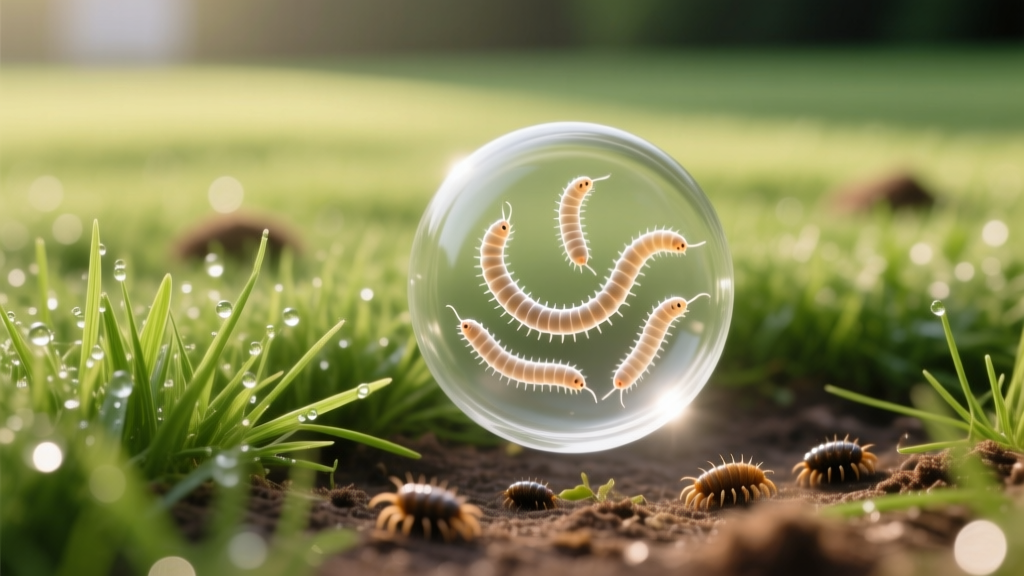
Viral Nematode Hack: How to Destroy Lawn Grubs Fast
David ParkPublished
The Viral "Microscopic Worm" Hack Taking Over GardenTok
If you have spent any time on gardening forums, TikTok, or YouTube lawn care channels recently, you have likely seen the viral "microscopic worm" hack. Homeowners and landscaping professionals alike are ditching harsh chemical pesticides in favor of a biological powerhouse: beneficial nematodes. These microscopic, unsegmented roundworms are being hailed as the ultimate organic solution for eradicating lawn grubs, flea beetles, and fungus gnats without harming pets, children, or local pollinator populations.
But is this trending internet hack actually backed by science, or is it just another fleeting social media fad? According to entomologists and integrated pest management (IPM) experts, the use of beneficial nematodes is one of the most effective, scientifically validated biological control methods available to modern homeowners. As the Environmental Protection Agency (EPA) notes, biological controls like nematodes offer a sustainable, low-toxicity alternative to broad-spectrum chemical insecticides, targeting specific pests while leaving beneficial insects completely unharmed.
In this comprehensive guide, we will break down exactly what beneficial nematodes are, how to choose the right strain for your specific pest problem, and provide a step-by-step masterclass on how to apply them so you do not waste your money.
What Exactly Are Beneficial Nematodes?
Beneficial nematodes are naturally occurring, microscopic worms found in soils all over the world. While some nematode species are harmful to plants (like root-knot nematodes), the species used for pest control are entomopathogenic—meaning they specifically seek out, infect, and kill insects.
The most common species used for lawn grub control is Heterorhabditis bacteriophora (often abbreviated as Hb). When applied to your lawn, these nematodes actively hunt for soil-dwelling pests. Once they find a grub, they enter its body through natural openings and release a symbiotic bacteria (Photorhabdus luminescens). This bacteria rapidly multiplies, killing the grub within 24 to 48 hours. The nematodes then feed on the developing bacteria, reproduce inside the dead host, and burst out to hunt for the next victim. It is a gruesome, highly effective, and entirely natural cycle.
Nematode Strain Comparison Chart
Not all nematodes are created equal. The viral hack only works if you buy the correct strain for your target pest and soil temperature. Below is a comparison of the three most popular strains available on the market:
| Strain | Target Pests | Ideal Soil Temp | Hunting Style |
|---|---|---|---|
| Heterorhabditis bacteriophora (Hb) | Japanese beetle grubs, June bugs, European chafers, deep-root weevils. | 60°F to 93°F (15°C - 34°C) | Cruiser (actively searches deep soil) |
| Steinernema carpocapsae (Sc) | Fleas, cutworms, armyworms, webworms. | 72°F to 90°F (22°C - 32°C) | Ambusher (waits near the surface) |
| Steinernema feltiae (Sf) | Fungus gnats, thrips pupae, fly larvae. | 50°F to 78°F (10°C - 25°C) | Intermediate (shallow soil & greenhouse) |
Pro Tip: For general lawn grub control, Hb is the undisputed champion and the strain most frequently recommended by university extension programs.
Step-by-Step Guide to Applying Nematodes Like a Pro
Many people claim the "nematode hack" failed because they treated the worms like chemical granules. Nematodes are living organisms. If you mishandle them, they die before they ever reach the soil. Follow this exact protocol for maximum eradication.
1. Check Your Soil Temperature
Nematodes become dormant or die in cold soil. Use a soil probe or digital thermometer to ensure your soil temperature at a depth of two inches is consistently above 60°F. According to Penn State Extension, timing your application to coincide with the early instar stages of grub development (usually late summer to early fall) yields the highest mortality rates.
2. Ditch the Chlorinated Water
This is the number one reason viral hacks fail. Municipal tap water contains chlorine or chloramine, which will kill beneficial nematodes on contact. The Fix: Fill your sprayer tank or buckets with tap water and let them sit uncovered in the sun for at least 24 to 48 hours. This allows the chlorine to off-gas. If your city uses chloramine, you must use a dechlorinating agent (like those used for fish tanks) or collect rainwater.
3. Prep the Lawn
Mow your lawn slightly shorter than usual and dethatch if necessary. Nematodes need to reach the soil surface to penetrate the root zone. Water your lawn deeply the day before application so the soil is moist but not waterlogged.
4. The Hose-End Sprayer Method
Do not use a standard pump sprayer that has previously held chemical pesticides; even trace residues will wipe out your nematode colony. Use a dedicated hose-end siphon sprayer.
- Mix the nematode concentrate (usually a sponge or powder) into a bucket of dechlorinated water.
- Stir gently to avoid creating excessive foam.
- Pour the mixture into your hose-end sprayer reservoir.
- Spray evenly over the target area, shaking the sprayer frequently to keep the nematodes suspended in the water column.
5. Post-Application Moisture Lock
Nematodes require a film of water to move through the soil pores. After spraying, lightly water the lawn to wash the nematodes off the grass blades and down into the thatch and soil. For the next 10 to 14 days, you must water the treated area for 10-15 minutes every morning to keep the top inch of soil consistently moist.
Cost Breakdown and Top Product Picks
Beneficial nematodes are surprisingly cost-effective when compared to professional chemical treatments. You can expect to spend roughly $35 to $50 to treat 10,000 square feet of lawn. Here are a few trusted, commercially available brands that lawn care pros swear by:
- Scanmask (Hb & Sf strains): Excellent for organic gardeners, available in easy-to-mix powder form. Usually retails around $40 for 10 million nematodes.
- Nemasys (H strain): A professional-grade product often sold through specialized turf supply vendors. Highly concentrated and rigorously tested for viability.
- Terrasil / BioLogic: Ships live nematodes in temperature-controlled packaging with cold packs to ensure they arrive alive.
Storage Warning: Always buy nematodes from reputable vendors who ship with ice packs. Once delivered, store them in the refrigerator (between 36°F and 42°F) immediately. Never let them freeze, and never leave them in a hot mailbox.
Why the Viral Hack Fails (And How to Avoid It)
While social media makes it look as easy as spraying water, the University of California Statewide IPM Program warns that environmental factors can severely limit nematode efficacy. Here are the most common mistakes homeowners make:
- Applying in Direct Sunlight: UV radiation is lethal to nematodes. Always apply your spray in the early evening, at dusk, or on a heavily overcast day.
- Ignoring Soil pH and Salinity: Nematodes thrive in standard lawn conditions, but highly saline or extremely acidic soils (pH below 5.0) can reduce their mobility and infection rates.
- Expecting Overnight Miracles: Unlike synthetic neurotoxins that knock down pests in minutes, nematodes take 3 to 7 days to kill a grub. You will know they are working when you dig up a grub and see it has turned a distinct reddish-brown color (a sign of the Hb bacteria) or a pale yellowish-brown (a sign of Sc).
Final Thoughts on Biological Pest Control
The viral nematode hack is not just a trend; it is a fundamental shift toward sustainable, ecologically balanced lawn care. By harnessing the natural predator-prey relationship between entomopathogenic nematodes and soil-dwelling grubs, you can protect your turf from devastating root damage without resorting to neonicotinoids or other harsh chemicals. Remember that integrated pest management is about working with nature, not against it. Combine your nematode applications with proper lawn aeration, deep and infrequent watering, and organic fertilization to build a dense, resilient root system that can naturally withstand future pest pressures. Grab your hose-end sprayer, dechlorinate your water, and unleash the microscopic cavalry on your lawn today.