Pest Control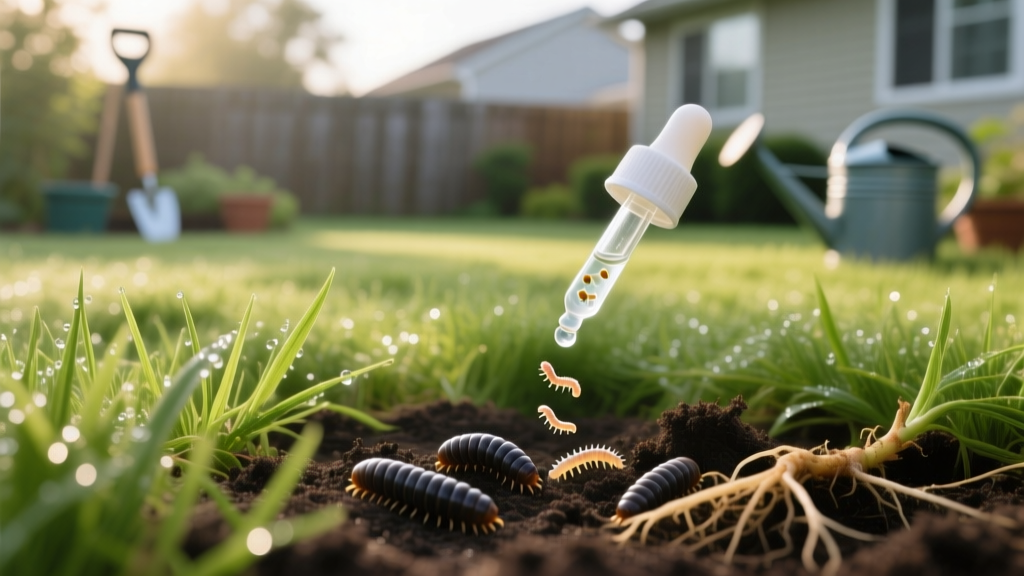
The Viral Nematode Lawn Hack to Destroy Grubs Naturally
James MillerPublished
The Internet's Favorite Lawn Hack: Beneficial Nematodes
If you have spent any time on LawnTok or gardening YouTube channels lately, you have likely seen the viral nematode hack. Content creators are showcasing incredible before-and-after transformations of grub-destroyed lawns, swearing by a microscopic, living solution rather than harsh synthetic chemicals. But is this trending pest control method just a fad, or is it backed by science? The short answer: it is highly effective, environmentally safe, and one of the best integrated pest management (IPM) strategies available to homeowners today.
In this guide, we break down exactly what beneficial nematodes are, why this biological control method has taken the internet by storm, and how you can replicate the viral hack in your own yard to eradicate white grubs, Japanese beetle larvae, and other soil-dwelling pests.
What Are Beneficial Nematodes?
Beneficial nematodes are microscopic, unsegmented roundworms that naturally occur in soils worldwide. While some nematode species are harmful to plants, the insect-parasitic nematodes used in lawn care are completely safe for humans, pets, earthworms, and plants. They act as living, breathing, soil-hunting predators.
When applied to your lawn, these microscopic worms actively seek out soil-dwelling pests. Once they locate a host—such as a fat, juicy white grub—they enter the insect's body through natural openings. Inside the grub, the nematodes release a symbiotic bacteria that rapidly multiplies, killing the host within 48 hours. The nematodes then feed on the developing bacteria and decomposing host tissue, reproducing rapidly before bursting out of the dead grub to hunt for their next meal. It sounds like the plot of a sci-fi horror movie, but it is nature's most efficient pest control mechanism.
Why This Hack Went Viral (The Science vs. Chemicals)
For decades, homeowners relied on synthetic neonicotinoids like Imidacloprid to control grubs. However, growing awareness of the environmental impact of these chemicals—particularly their devastating effects on essential pollinators like bees—has driven a massive shift toward organic and biological controls. According to the Environmental Protection Agency (EPA), biopesticides are inherently less toxic than conventional pesticides, affecting only target pests and closely related organisms, unlike broad-spectrum insecticides that wipe out beneficial insects.
The viral appeal of nematodes lies in their biological warfare aspect. Unlike chemical barriers that degrade over time, nematode populations can establish and multiply in your soil, providing compounding pest control year over year if conditions remain favorable.
Choosing the Right Nematode: Species Comparison Chart
Not all nematodes hunt the same prey. Buying the wrong species is the number one reason homeowners claim the hack did not work. According to research from Cornell University's Biological Control Lab, matching the nematode species to your specific pest and soil temperature is critical for success.
| Nematode Species | Target Pests | Optimal Soil Temp | Hunting Strategy |
|---|---|---|---|
| Heterorhabditis bacteriophora (Hb) | Japanese beetle grubs, June beetle grubs, European chafers | 60°F - 90°F | Cruiser (Actively hunts deep in soil) |
| Steinernema carpocapsae (Sc) | Cutworms, armyworms, fleas, webworms | 55°F - 85°F | Ambusher (Waits near surface for prey) |
| Steinernema feltiae (Sf) | Fungus gnats, thrips, some shallow grubs | 50°F - 75°F | Cruiser/Ambusher hybrid |
Pro Tip: For general lawn grub control (especially Japanese beetles and June bugs), Heterorhabditis bacteriophora is the undisputed champion and the exact species most viral lawn care experts recommend.
Step-by-Step Guide to Applying Nematodes
Because nematodes are living organisms, treating them like a standard chemical fertilizer will kill them before they ever reach your soil. Follow this precise protocol to ensure maximum survival and infection rates.
Step 1: Timing is Everything
Grubs are most vulnerable during their early larval stages. Depending on your climate, the optimal application windows are mid-to-late spring (when soil temperatures consistently reach 60°F) and early fall (late August through September). Fall applications are generally considered the most effective, as grubs are actively feeding near the surface before winter dormancy.
Step 2: Prep the Soil
Nematodes require moisture to move through the soil matrix. One to two hours before application, lightly water your lawn. The soil should be damp, but not saturated or pooling with water. Moisture prevents the nematodes from drying out upon contact and helps them navigate between soil particles.
Step 3: Mix with Care
Nematodes are shipped in sponges, clay powders, or gels. If using a sponge, squeeze it into a bucket of cool, distilled, or rain water. Never use chlorinated tap water straight from the hose, as chlorine will kill the nematodes on contact. If you must use tap water, let it sit in an open bucket for 24 hours to allow the chlorine to off-gas. The water temperature must be between 55°F and 70°F. Hot water will cook them; freezing water will shock them.
Step 4: Application Method
The best way to apply nematodes is using a hose-end sprayer designed for biologicals, or a watering can for smaller areas. If using a standard hose-end sprayer, remove the internal filter screen, as the screens can trap and crush the nematodes. Shake your mixture frequently to keep the worms suspended in the water column. Apply evenly across the affected lawn area.
Step 5: Water Them In
Immediately after spraying, water the lawn lightly again. This washes the nematodes off the grass blades and down into the soil and thatch layer where the grubs live. Keep the lawn consistently moist for the next 7 to 10 days to allow the nematodes time to hunt, infect, and reproduce.
Cost Breakdown: Nematodes vs. Chemical Grub Control
Is the viral hack cost-effective? Let us compare the average costs of treating a standard 5,000 square foot lawn.
- Beneficial Nematodes (Hb species): A package containing 10 million nematodes (enough for roughly 5,000 sq. ft. of heavy infestation) typically costs between $35 and $50 online or at specialty garden centers. You may need two applications per year, bringing the annual cost to roughly $70 to $100.
- Synthetic Chemical Preventative (e.g., Imidacloprid/Chlorantraniliprole): A standard bag of chemical grub control costs around $40 to $60 per 5,000 sq. ft. While slightly cheaper upfront, it requires strict adherence to watering schedules and carries potential environmental runoff risks.
- Curative Chemical (e.g., Dylox/Trichlorfon): If you wait until grubs are actively eating your roots, curative chemicals cost about $50 to $70 per application, but they are highly toxic to earthworms and aquatic life.
While nematodes can be slightly more expensive upfront, their ability to establish a self-sustaining population means your costs will drop significantly in years two and three. Furthermore, you avoid the ecological guilt associated with neonicotinoid runoff.
Common Mistakes That Kill the Hack
To ensure your lawn care efforts do not go to waste, avoid these fatal errors commonly made by beginners:
- Applying in Direct Sunlight: UV radiation is lethal to nematodes. Always apply your nematode spray in the early morning, late evening, or on an overcast day.
- Using Chemical Fertilizers Simultaneously: High-nitrogen synthetic fertilizers and broad-spectrum fungicides can harm nematode populations. Wait at least two weeks between chemical applications and nematode treatments.
- Storing Them Incorrectly: Nematodes must be refrigerated immediately upon arrival. Do not leave them in a hot mailbox or garage. They are living creatures and will expire if left at room temperature.
Final Thoughts on Biological Pest Control
The viral nematode lawn hack is not just a fleeting internet trend; it is a scientifically backed, highly effective method of integrated pest management. By leveraging Heterorhabditis bacteriophora, you can protect your turf from destructive grubs while maintaining a safe environment for your family, pets, and local pollinators. As noted by Penn State Extension, when applied correctly and timed with the grub life cycle, biological controls rival or exceed the efficacy of traditional chemical pesticides. Ditch the harsh synthetics, embrace the microscopic predators, and watch your lawn thrive naturally.