Home & Garden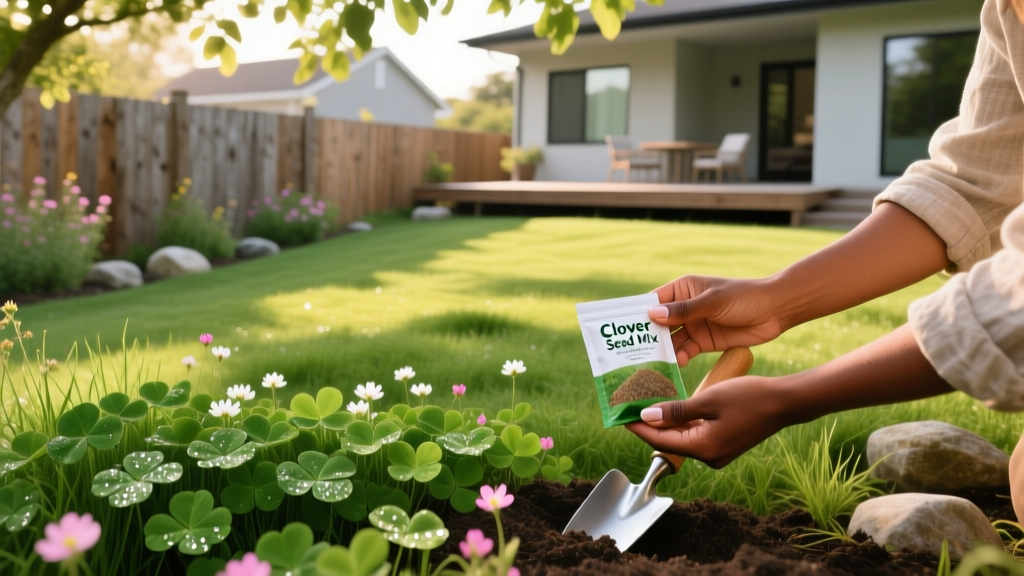
The Viral No-Mow Clover Lawn: Is It Worth the Hype?
David ParkPublished
The Rise of the Viral Clover Lawn
If you have spent any time on TikTok, Instagram, or Pinterest lately, you have likely encountered the 'anti-lawn' movement. Among the most viral trends in home landscaping is the no-mow clover lawn. Homeowners are ripping out their thirsty, high-maintenance Kentucky Bluegrass and replacing it with lush, green, eco-friendly clover. But is this viral trend just a fleeting social media fad, or is it a legitimate landscaping upgrade for your home and garden? In this comprehensive guide, we break down the real costs, the step-by-step planting process, and how to integrate a clover lawn with smart home irrigation and garden-to-table living.
The Science and Eco-Benefits
Clover, specifically Trifolium repens (White Clover) and its smaller cousin, Microclover, is a legume. Unlike traditional turfgrasses that demand synthetic nitrogen fertilizers multiple times a year, clover possesses a unique superpower: it pulls nitrogen directly from the atmosphere and fixes it into the soil through a symbiotic relationship with Rhizobium bacteria. This means your lawn essentially fertilizes itself. Furthermore, clover features deep taproots that break up compacted soil and access moisture far below the surface, making it incredibly drought-tolerant once established. According to the EPA WaterSense program, the average American family uses roughly 320 gallons of water per day at home, with nearly 30 percent dedicated to outdoor uses. By switching to a drought-tolerant clover lawn, homeowners can drastically reduce their outdoor water consumption, saving money and conserving vital local resources.
Clover vs. Traditional Turf: The Ultimate Comparison
Before you grab a shovel and start tearing up your existing turf, it is crucial to understand how clover stacks up against traditional grass. While clover is an ecological powerhouse, it does have a few limitations, particularly regarding heavy foot traffic. Below is a detailed head-to-head comparison to help you decide if a clover lawn fits your lifestyle.
| Feature | Traditional Kentucky Bluegrass | Microclover / White Clover |
|---|---|---|
| Water Requirements | High (1-1.5 inches per week) | Low (Drought tolerant once established) |
| Fertilizer Needs | High (Synthetic nitrogen 3-4x a year) | None (Fixes its own atmospheric nitrogen) |
| Mowing Frequency | Weekly during growing season | Bi-weekly or monthly (No-mow option) |
| Seed Cost (per 1,000 sq ft) | $5 - $10 | $15 - $35 (Microclover is pricier) |
| Heavy Foot Traffic | Excellent | Moderate (Best when mixed with grass) |
| Pollinator Benefits | None | High (Attracts native bees) |
Overseeding vs. Complete Renovation
When transitioning to a clover lawn, you generally have two options: a complete lawn renovation or overseeding your existing grass. A complete renovation involves killing your current turf with a non-selective herbicide or solarization, tilling the soil, and planting a pure clover seed bed. This yields a stunning, uniform carpet of green but requires significant upfront labor and leaves your yard looking barren for several weeks. Overseeding, on the other hand, is the preferred method for most homeowners. By scattering clover seed over your existing lawn, you create a blended eco-lawn. The grass provides the durability and trampling resistance, while the clover supplies the nitrogen, drought tolerance, and soft aesthetic. The University of Minnesota Extension highly recommends mixed eco-lawns for homeowners seeking a balance between traditional usability and environmental sustainability.
Step-by-Step Guide: Timing and Soil Prep
Timing is everything when planting clover. The ideal window is early spring (once soil temperatures consistently reach 50°F) or early fall (about six weeks before your first hard frost). Fall is often preferred because the cooler temperatures and autumn rains help establish the deep root systems before the heat of summer. To prepare your site, mow your existing grass as low as your mower will allow—ideally down to 1.5 inches. Use a dethatcher or a heavy garden rake to scratch up the soil surface and remove dead thatch. This ensures the tiny clover seeds make direct contact with the soil, which is absolutely critical for germination. If your soil is heavily compacted, consider renting a core aerator to pull plugs of soil, creating perfect little pockets for the clover seeds to settle into.
Step-by-Step Guide: Seed Selection and Sowing
Not all clover is created equal. Standard Dutch White Clover is widely available and inexpensive (around $10 to $15 per pound), but it grows taller, produces larger flowers, and can create a slightly uneven lawn. For a premium, turf-like appearance, opt for Microclover (varieties like 'Pirouette' or 'Pipa'). Microclover has much smaller leaves, grows lower to the ground, and produces fewer flowers, mimicking the look of a traditional lawn while retaining all the ecological benefits. However, Microclover seed is more expensive, typically costing between $25 and $35 per pound. For a pure clover lawn, you will need roughly 2 pounds of seed per 1,000 square feet. If you are overseeding an existing lawn, you only need about 1 pound per 1,000 square feet. Mix the seed with dry sand or compost to help distribute it evenly across your yard using a broadcast spreader.
Watering and Germination
Once the seed is down, the waiting game begins. Clover seeds must remain consistently moist to germinate. Depending on the variety and soil temperature, germination takes anywhere from 7 to 14 days. During this period, you must water the area lightly two to three times a day for about 5 to 10 minutes each session. Avoid heavy watering, which can wash the tiny seeds away or cause them to clump together. Once the seedlings emerge and reach about an inch tall, you can gradually reduce the frequency of watering while increasing the duration, encouraging the roots to dive deep into the soil profile.
Smart Home Irrigation Integration
One of the greatest advantages of a clover lawn is its synergy with smart home technology. If you utilize a smart irrigation controller like the Rachio 3 or Hunter Hydrawise, you can easily program your system to accommodate clover's unique needs. Because clover requires roughly 40 percent less water than Kentucky Bluegrass, you can adjust your zone settings to reflect 'Drought Tolerant' or 'Native' plant types. Set your smart controller to utilize local weather data and soil moisture sensors to skip watering on rainy days. Furthermore, clover thrives on deep, infrequent watering rather than daily shallow sprinkles. Program your smart valves to deliver one inch of water per week, split across two morning sessions, to maintain a vibrant green lawn without wasting a single drop.
Garden-to-Table Synergy and Pollinators
For those passionate about garden-to-table living, a clover lawn is the ultimate companion to your vegetable and herb gardens. Clover flowers are a magnet for beneficial pollinators, including native bees and honeybees. By allowing your clover lawn to bloom, you are essentially creating a massive pollinator runway that will directly increase the yield of your nearby tomatoes, squash, and cucumbers. Additionally, because clover fixes nitrogen in the soil, it naturally enriches the earth surrounding your raised beds. You can even mow the clover and use the nitrogen-rich clippings as a free, organic mulch around your garden-to-table crops, suppressing weeds and slowly releasing nutrients back into your vegetable garden.
Maintenance Rules and The Final Verdict
Maintaining a clover lawn requires a complete paradigm shift. First and foremost, you must banish broadleaf herbicides from your garden shed. Products designed to kill dandelions and broadleaf weeds will instantly annihilate your clover. Instead, embrace a slightly more natural aesthetic. If you prefer a manicured look, set your mower blade to 2.5 or 3 inches and mow every two weeks during the peak growing season. Leave the clippings on the lawn to decompose and return valuable organic matter to the soil. While clover is incredibly resilient, it is not invincible; it can struggle in areas of deep, permanent shade or extreme, heavy foot traffic, such as a dedicated dog run or a sports field. However, for the average homeowner looking to reduce their carbon footprint, lower their water bills, and spend less time pushing a noisy lawnmower, the viral no-mow clover lawn is much more than a passing internet trend. It is a sustainable, beautiful, and highly practical landscaping solution that bridges the gap between modern outdoor living and ecological stewardship.
