Home & Garden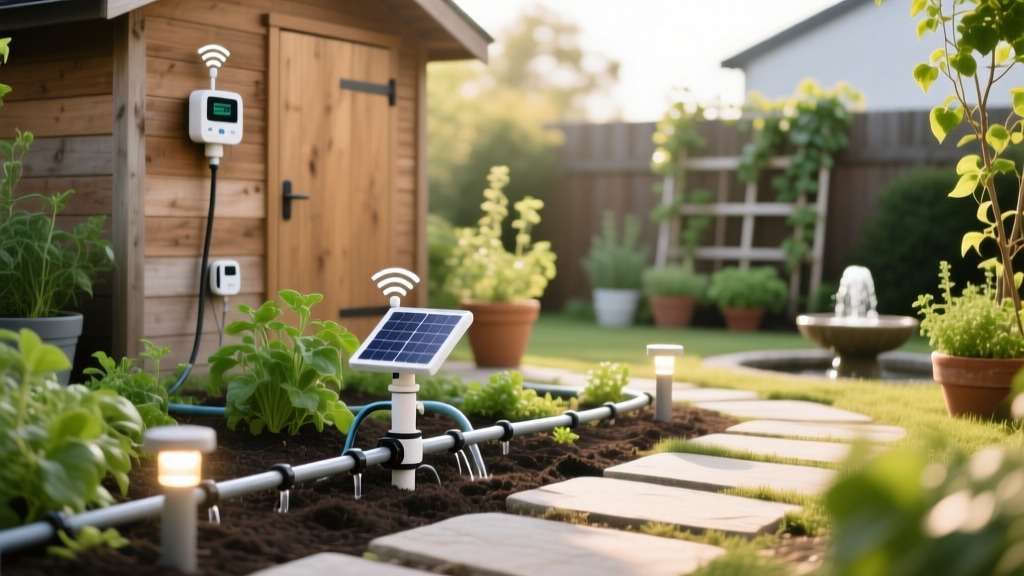
Viral Smart Garden Hacks: Automate Irrigation & Lighting
Emily WatsonPublished
The Rise of the Automated Outdoor Oasis
If you have spent any time on TikTok, Instagram Reels, or YouTube Shorts lately, you have likely noticed a massive surge in 'Smart Garden' transformations. Homeowners and renters alike are bridging the gap between indoor smart home technology and outdoor landscaping, creating automated, energy-efficient, and visually stunning exterior spaces. The best part? You no longer need a professional landscaping budget or complex hardwiring to achieve these viral results. By leveraging affordable, Wi-Fi-enabled devices, you can automate your garden-to-table raised beds, secure your perimeter, and dramatically reduce your water bill.
In this guide, we are breaking down the top trending viral smart garden hacks for irrigation and outdoor lighting. We will cover specific product recommendations, exact measurements, setup times, and costs so you can replicate these social media sensations in your own backyard this weekend.
Viral Hack #1: The $45 Smart Hose Timer for Drip Irrigation
The most viral irrigation hack on social media involves converting a standard outdoor spigot into a fully automated, weather-aware drip irrigation system without digging up your yard or hiring a plumber. This is especially popular among garden-to-table enthusiasts who need precise, consistent watering for tomatoes, peppers, and herbs in raised beds.
Product Spotlight: Orbit B-hyve Smart Hose Faucet Timer
Instead of investing thousands in a traditional in-ground sprinkler system, creators are using the Orbit B-hyve Smart Hose Faucet Timer (retailing around $45 to $55). This device attaches directly to your standard 3/4-inch outdoor hose bib. It connects to your home Wi-Fi and uses local weather data to automatically skip watering when rain is in the forecast.
Garden-to-Table Application: Precision Raised Bed Watering
To replicate the viral 'ultimate raised bed' setup, attach a 4-way hose manifold to the B-hyve timer. From there, run 1/2-inch poly drip tubing along the base of your raised beds. Use 1/4-inch micro-tubing with 2 GPH (gallons per hour) drip emitters placed exactly two inches from the base of each plant. This targeted approach eliminates evaporation and prevents fungal diseases on vegetable leaves by keeping the foliage dry.
According to EPA WaterSense, smart irrigation controllers and drip systems can reduce outdoor water use by up to 50% compared to traditional spray sprinklers, saving the average home nearly 7,600 gallons of water annually.
Viral Hack #2: App-Controlled Solar Pathway & Accent Lighting
Outdoor lighting is the second most viral garden upgrade, specifically focusing on 'dark sky compliant' and energy-efficient setups that highlight architectural plants and pathways without requiring a licensed electrician to trench low-voltage wires.
Product Spotlight: Ring Smart Lighting Solar Pathlights
The Ring Smart Lighting Solar Pathlight (approx. $30 per unit) is dominating social media feeds. These completely wireless, solar-powered lights feature built-in motion sensors and connect to the Ring app. Viral videos often showcase the 'Color' version, which allows users to change the LED hue to match seasonal holidays or outdoor dinner party themes.
Strategic Placement for Curb Appeal and Security
For the best aesthetic, space pathway lights exactly 6 to 8 feet apart. Avoid placing them in a rigid 'runway' line; instead, stagger them on alternating sides of the walkway. To highlight a specimen tree or a vertical garden trellis, use a solar-powered smart spotlight angled at 45 degrees to create dramatic uplighting. The U.S. Department of Energy recommends utilizing solar and LED outdoor lighting to minimize energy consumption, noting that LEDs use up to 90% less energy than incandescent bulbs and last up to 25 times longer.
Viral Hack #3: Wi-Fi Soil Moisture Sensors
The third major trend is the integration of Wi-Fi soil moisture sensors, such as the Ecowitt WH51 (approx. $25). Gardeners bury the probe in the root zone of their most sensitive plants (like hydrangeas or heirloom tomatoes). The sensor transmits real-time moisture data to a smart hub or directly to an app. When paired with a smart plug or smart hose timer, you can create an IFTTT (If This Then That) routine that triggers watering only when the soil moisture drops below 30%, completely eliminating guesswork and overwatering.
Cost, Setup, and Impact Comparison Chart
To help you budget your weekend project, here is a breakdown of the viral smart garden gear, including estimated costs and setup times.
| Smart Device Category | Top Viral Product | Avg. Cost | Setup Time | Primary Benefit |
|---|---|---|---|---|
| Smart Hose Timer | Orbit B-hyve | $45 - $55 | 15 Minutes | Weather-aware watering, saves up to 50% water |
| Solar Path Lighting | Ring Solar Pathlight | $30 / unit | 5 Min / unit | Zero wiring, motion security, app-controlled color |
| Soil Moisture Sensor | Ecowitt WH51 | $25 | 10 Minutes | Prevents root rot, optimizes garden-to-table yields |
| Smart Outdoor Plug | Wyze Plug Outdoor | $15 | 5 Minutes | Voice control for fountains, pumps, and string lights |
Step-by-Step Weekend Installation Guide
Ready to transform your yard? Follow this streamlined weekend schedule to implement these viral hacks seamlessly.
Saturday Morning: Irrigation & Hydration
- 8:00 AM: Flush your outdoor spigot and attach the Orbit B-hyve timer. Ensure the rubber washer is seated properly to prevent leaks.
- 9:00 AM: Lay out your 1/2-inch drip tubing in the sun for 30 minutes; the heat makes the polyethylene much easier to bend and work with.
- 10:00 AM: Punch holes in the mainline and insert your 1/4-inch barbed connectors and emitters. Secure the lines with 6-inch landscape staples every 3 feet.
- 11:30 AM: Download the B-hyve app, connect to Wi-Fi, and set your 'Smart Watering' schedule based on your specific USDA Hardiness Zone.
Saturday Afternoon: Illumination & Ambiance
- 1:00 PM: Map out your lighting pathway using landscaping flags or stakes. Remember the 6-to-8-foot staggering rule.
- 2:00 PM: Push the Ring Solar Pathlights into the soil. Ensure the solar panels face true South (in the Northern Hemisphere) for maximum daily charging.
- 3:30 PM: Sync the lights to your Ring Bridge and set up 'Linked Devices' so that when one pathlight detects motion, the entire pathway illuminates.
Expert Tips for Maximizing Your Smart Garden
While viral hacks are incredibly effective, a few professional tweaks will elevate your setup from a DIY project to a high-end landscape.
First, always use a backflow preventer or vacuum breaker between your spigot and the smart timer. This is a crucial safety measure that prevents contaminated irrigation water from siphoning back into your home's drinking water supply. Second, when setting up your smart outdoor plugs for water features or patio string lights, group them into 'Scenes' within your smart home ecosystem (like Alexa or Google Home). A simple voice command like 'Alexa, turn on Evening Oasis' can simultaneously dim the pathway lights to 40% brightness, turn on the patio string lights, and activate your water fountain.
Finally, keep an eye on your data. EPA Water Statistics indicate that outdoor water use accounts for nearly 30% of total household water consumption, with some arid regions seeing that number spike to 60%. By monitoring the water usage reports generated by your smart hose timer app, you can fine-tune your emitter flow rates and watering durations, ensuring your garden-to-table vegetables get exactly what they need without wasting a single drop.
Conclusion
The intersection of smart home technology and outdoor landscaping is no longer a luxury reserved for high-end estates. By utilizing trending, budget-friendly devices like smart hose timers, solar app-controlled lighting, and Wi-Fi soil sensors, you can create a highly efficient, visually stunning, and automated outdoor oasis. Whether you are looking to boost your curb appeal, secure your property, or maximize your vegetable garden yields, these viral smart garden hacks offer practical, actionable solutions that pay for themselves in water and energy savings over a single season.
