Home & Garden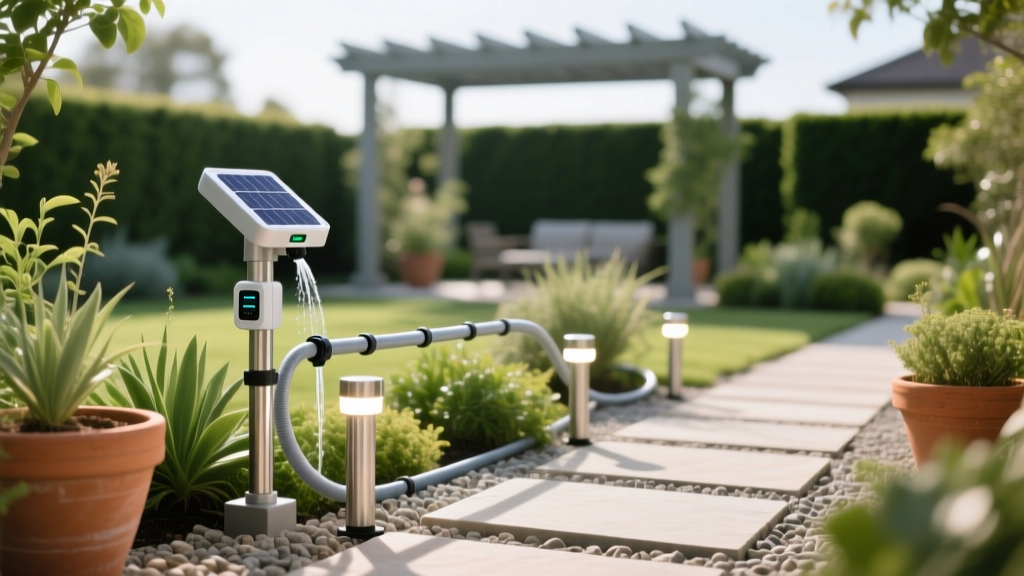
Viral Smart Garden Hacks: Irrigation and Lighting Tips
Anna KowalskiPublished
The 'TikTok Made Me Buy It' Smart Garden Revolution
If you have spent any time on TikTok, Instagram Reels, or Pinterest lately, you have likely stumbled upon the mesmerizing world of smart garden makeovers. The 'TikTok Made Me Buy It' phenomenon has officially spilled out of the kitchen and into the backyard, completely transforming how we approach outdoor living spaces. Homeowners are no longer settling for manual hose watering, guesswork gardening, or clunky, halogen floodlights that ruin the nighttime aesthetic. The current viral trend bridges indoor smart-home convenience with outdoor landscaping, creating lush, garden-to-table paradises that practically maintain themselves.
Upgrading your outdoor space with smart technology is not just about chasing internet fame or achieving the perfect 'Pinterest aesthetic.' It is about leveraging data-driven tools to conserve resources, protect your plants, and boost your property value. Whether you are growing heirloom tomatoes in raised beds or trying to keep your hydrangeas alive during a summer heatwave, integrating AI-driven irrigation and ambient smart lighting is the ultimate weekend DIY project. Below, we break down the most viral smart garden hacks, complete with specific product recommendations, exact measurements, and cost breakdowns to help you upgrade your yard this season.
The 'Set It and Forget It' Smart Irrigation Hack
The most viral garden hack of the year involves swapping out outdated, dial-based sprinkler timers for AI-driven smart irrigation controllers. These devices connect to your home Wi-Fi and use hyper-local weather data to automatically adjust watering schedules. If a rainstorm is rolling in, the system pauses. If a heatwave is forecasted, it increases moisture output. According to the EPA WaterSense program, upgrading to a smart irrigation controller can save the average home nearly 8,800 gallons of water annually, making it a massive win for both your utility bill and the environment.
For the ultimate garden-to-table setup, viral gardening influencers are pairing these smart controllers with drip irrigation lines rather than traditional spray heads. Drip lines deliver water directly to the root zone at a slow, measurable rate. For shallow-rooted vegetables like lettuce and radishes, use 0.5 GPH (gallons per hour) emitters spaced 6 inches apart. For deep-rooted shrubs and indeterminate tomatoes, upgrade to 2.0 GPH emitters spaced 12 inches apart, and bury the lines about 4 to 6 inches under a layer of organic mulch to prevent evaporation.
Comparison Chart: Top Viral Smart Irrigation Controllers
| Feature | Orbit B-hyve XD | Rachio 3 | Wyze Sprinkler Controller |
|---|---|---|---|
| Average Cost | $120 - $140 | $230 - $250 | $50 - $70 |
| Weather Intelligence | Basic (Zip Code) | Hyper-local (Weather Stations) | Basic (Zip Code) |
| Available Zones | 6 Zones | 8 or 16 Zones | 8 Zones |
| EPA WaterSense Certified | Yes | Yes | Yes |
| Viral Appeal Factor | High (Best Budget Pick) | High (Pro-Grade Features) | High (Ultra-Cheap Entry) |
| DIY Install Time | ~30 Minutes | ~45 Minutes | ~25 Minutes |
The 'Pinterest Aesthetic' Smart Lighting Setup
A beautiful garden should not disappear when the sun goes down. The second major viral trend in outdoor living is the installation of low-voltage, smart LED pathway and uplighting systems. The U.S. Department of Energy notes that switching to LED and smart outdoor lighting can reduce outdoor energy consumption by up to 75% compared to traditional halogen fixtures, while providing vastly superior color rendering and lifespan.
The viral 'Pinterest aesthetic' relies on subtle, warm, and layered lighting rather than bright, security-style floodlights. The most popular product for this is the Ring Smart Lighting Pathlight or the Philips Hue Call bollard. To achieve the exact look you see on viral garden tours, follow these strict installation guidelines:
- Color Temperature: Stick strictly to 2700K (Warm White). Anything above 3000K will make your garden look like a sterile parking lot on camera.
- Spacing and Staggering: Never place path lights directly across from each other like an airport runway. Stagger them in a zig-zag pattern, spacing them exactly 6 to 8 feet apart to create overlapping pools of light.
- Lumen Output: Keep pathway lights between 100 and 200 lumens. Use higher lumen spotlights (300-500 lumens) exclusively for uplighting the architectural features of trees or trellises.
- Wiring: Use 14-gauge low-voltage outdoor wire for runs up to 100 feet to prevent voltage drop, which can cause the lights at the end of the line to flicker or appear dim.
Garden-to-Table Tech: Viral Soil Sensor Hacks
Overwatering is the number one killer of expensive garden-to-table plants, particularly in raised beds where drainage can be unpredictable. The latest viral tech hack involves burying wireless soil moisture sensors directly in your vegetable beds. The Ecowitt WH51 Soil Moisture Sensor has taken over gardening forums because it costs less than $20 and integrates seamlessly with smart home hubs.
By placing the probe exactly 4 inches deep (the active root zone for most peppers and eggplants), you can set up automated IFTTT (If This Then That) routines. For example, if the soil moisture drops below 35%, your smart plug can automatically turn on a drip irrigation solenoid valve for exactly 15 minutes. This level of precision prevents the dreaded blossom-end rot in tomatoes, which is frequently caused by inconsistent watering cycles. The National Garden Bureau consistently emphasizes that consistent soil moisture is the primary driver of high-yield vegetable production, making these cheap sensors an absolute game-changer for urban homesteaders.
'The secret to a viral garden is not just the rare plants you choose, but the invisible tech that keeps them thriving while you sleep. Automation is the ultimate fertilizer.'
Your Weekend Action Plan: Costs, Tools, and Timing
Ready to transform your yard into a smart outdoor oasis? Here is your exact weekend action plan, designed to be completed in roughly 8 to 10 hours of active DIY labor.
Saturday: Smart Irrigation and Drip Lines
- Morning (3 Hours): Swap your old sprinkler timer for an Orbit B-hyve XD or Rachio 3. You will only need a screwdriver and a smartphone. Wire the existing zone valves exactly as they were labeled on your old unit.
- Afternoon (4 Hours): Convert your garden beds from spray heads to drip irrigation. You will need a pressure reducer (25 PSI), a filter, and 1/2-inch poly tubing. Snaking the tubing through raised beds takes time, but the water savings are immediate.
- Estimated Cost: $180 for the controller, $60 for drip conversion kits.
Sunday: Ambient Smart Lighting
- Morning (2 Hours): Lay out your 14-gauge low-voltage wire in a staggered pattern along your main walkways and garden borders. Connect the transformer to a smart plug or a dedicated smart outdoor switch.
- Afternoon (2 Hours): Stake in your LED pathway lights and connect them to the main wire using gel-filled waterproof wire connectors. Bury the wire just 2 inches below the soil surface or hide it under mulch.
- Estimated Cost: $150 for a 100-foot wire kit and transformer, $200 for a 4-pack of smart pathlights.
By the time Sunday evening rolls around, you will be able to sit on your patio, ask your smart speaker to 'turn on the garden ambiance,' and watch your perfectly watered, beautifully lit landscape come to life. Not only will your garden thrive with less effort, but your outdoor living space will instantly become the most envied yard on the block, both in person and on your social media feeds.
