Home & Garden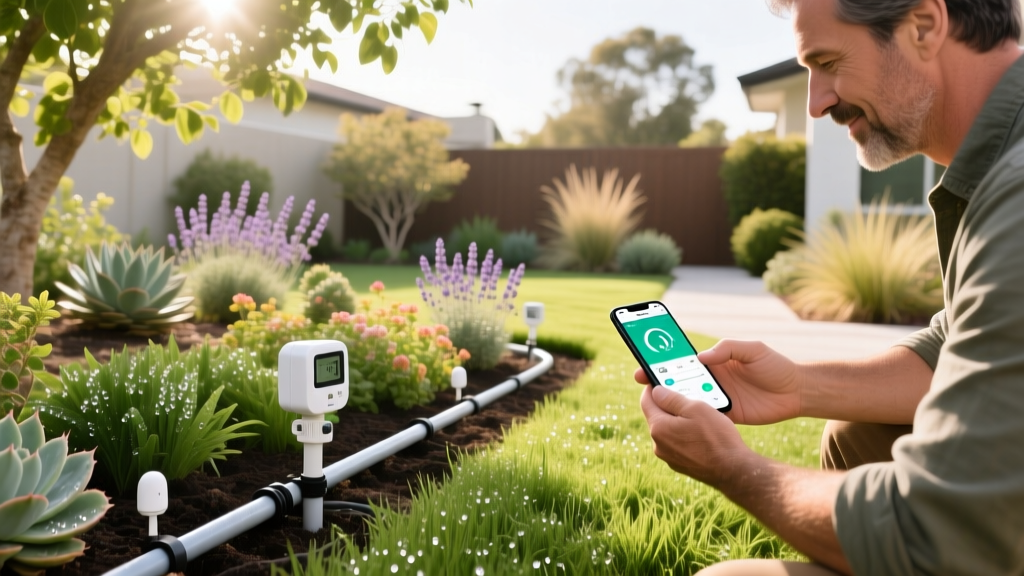
Viral Smart Irrigation Hacks to Drought-Proof Your Yard
David ParkPublished
The Rise of 'Smart Scaping' on Social Media
Scroll through TikTok, Instagram Reels, or YouTube Shorts on any given weekend, and you will inevitably encounter the latest home and garden obsession: smart scaping. Homeowners and landscaping influencers are ditching outdated, water-wasting sprinkler timers in favor of hyper-efficient, Wi-Fi-enabled irrigation systems. With drought conditions, municipal water restrictions, and rising utility costs becoming the new normal across many regions, viral garden hacks focused on drought-proofing are not just trendy; they are essential for modern, sustainable landscaping.
Bridging the gap between indoor smart home technology and outdoor living, these viral irrigation hacks leverage real-time weather data, soil science, and precision micro-watering to keep lawns lush and garden-to-table raised beds thriving without wasting a single drop. Whether you are looking to integrate your landscape lighting with your watering schedule or completely overhaul your irrigation zones, these trending ideas offer practical, actionable solutions that pay for themselves in water savings.
Hack #1: Upgrade to a Weather-Based Smart Controller
The undisputed star of viral smart irrigation videos is the weather-based smart controller. Unlike traditional timers that blindly water your lawn whether it is raining or shining, smart controllers like the Rachio 3 or Orbit B-hyve connect to your home Wi-Fi and pull hyper-local weather data. They automatically skip watering if rain is in the forecast, adjust run times based on seasonal evaporation rates, and even comply with local municipal watering restrictions automatically.
According to the EPA WaterSense program, outdoor water use accounts for nearly 30% of total household water use, with more than half of that being wasted due to evaporation, wind, or overwatering. By switching to a WaterSense-certified smart controller, homeowners can eliminate this waste effortlessly. Experts at Water Use It Wisely note that smart controllers can save the average home nearly 7,600 gallons of water annually. That is a massive reduction in your water bill and a significant win for local aquifers.
Hack #2: The Viral 'Micro-Drip' Conversion for Raised Beds
Garden-to-table enthusiasts are taking the internet by storm with their micro-drip conversion hacks. Traditional spray heads are notoriously inefficient for vegetable gardens and raised beds, often watering the leaves (which promotes fungal diseases) rather than the root zone. The viral solution? Converting standard spray zones into high-efficiency micro-drip systems using Netafim or Rain Bird drip lines.
Why Micro-Drip is Trending
- Targeted Hydration: Delivers water directly to the root zone at a slow, measurable rate (typically 0.5 to 1.0 Gallons Per Hour).
- Weed Reduction: Because only the immediate root zone is watered, weed seeds in the surrounding soil fail to germinate.
- Disease Prevention: Keeps foliage dry, drastically reducing powdery mildew and blight in tomatoes and squash.
Hack #3: Soil Moisture Sensors Over Timers
While smart controllers use weather data, the next level of viral garden tech involves placing wireless soil moisture sensors directly in your lawn and garden beds. Devices like the Toro Precision Soil Sensor or the Hydro-Rain soil moisture sensor act as a physical veto switch for your irrigation system. If the soil already holds adequate moisture, the sensor blocks the controller from initiating the watering cycle, regardless of what the weather app says.
Research from Colorado State University Extension highlights that combining weather-based smart controllers with on-site soil moisture sensors provides the highest level of irrigation efficiency, particularly in regions with microclimates or heavy clay soils that retain water longer than regional weather models might predict.
Hack #4: Syncing Smart Lighting with Irrigation Zones
A true hallmark of the modern smart home is integration, and landscape designers are now syncing outdoor smart lighting with irrigation schedules. Using platforms like Google Home, Apple HomeKit, or SmartThings, you can program your pathway and accent lights to dim or turn off completely while the sprinklers are running.
The Benefit: Water hitting hardscapes and pavement reflects light, creating harsh glare and light pollution. Furthermore, keeping lights off during watering hours reduces the warmth that promotes algae growth on illuminated, wet stonework. Once the irrigation cycle finishes, the smart outdoor plugs (like Kasa Smart Outdoor Plugs) automatically restore your moonlighting and pathway illumination, ensuring your outdoor living space looks pristine and energy-efficient.
Cost vs. Savings: Traditional vs. Smart Irrigation
Many homeowners hesitate to upgrade due to the perceived upfront cost. However, the ROI on smart irrigation is surprisingly fast, especially in areas with tiered water pricing. Below is a comparison chart detailing the financial and environmental impact of upgrading your system.
| Feature | Traditional Timer | Smart Wi-Fi Controller + Sensors |
|---|---|---|
| Average Upfront Cost | $40 - $80 | $150 - $250 |
| Weather Adaptation | None (Manual adjustments) | Real-time hyperlocal automation |
| Annual Water Savings | 0% (Baseline) | 20% - 50% |
| Estimated Annual Savings ($) | $0 | $100 - $300+ |
| ROI Timeline | N/A | 1 - 2 Years |
| Landscape Health | Prone to over/under-watering | Optimized for deep root growth |
Step-by-Step: Installing a Micro-Drip System for Garden Beds
Ready to try the viral micro-drip hack? Here is a practical, weekend-friendly guide to converting a single raised bed or shrub zone from spray to drip.
- Cap the Spray Heads: Remove the existing spray nozzles and cap the risers using standard 1/2-inch threaded caps.
- Install the Conversion Kit: At the zone's main water source, install a backflow preventer, a 200-mesh filter, and a pressure regulator. Drip systems require low pressure (around 25 PSI); standard home water pressure (50-70 PSI) will blow the fittings apart.
- Lay the Mainline: Run 1/2-inch blank poly tubing along the perimeter of your garden bed, securing it with landscape staples every 3 feet.
- Run the Micro-Tubing: Use a punch tool to insert barbed connectors into the mainline. Attach 1/4-inch micro-tubing and run it to the base of each plant.
- Attach Emitters: Secure 0.5 GPH (Gallons Per Hour) drippers or micro-sprayers to the end of the micro-tubing. For clay soils, space emitters 12 inches apart; for sandy soils, space them 6 inches apart to ensure proper lateral water spread.
- Test and Adjust: Turn on the zone manually via your smart app. Check for leaks, ensure each emitter is dripping, and set your smart controller to run for 20-30 minutes, twice a week, promoting deep, drought-resistant root growth.
Calculating Your True Water Savings
To understand the real impact of these viral hacks, consider the math behind a standard spray zone. A typical spray head outputs 1.5 to 2.0 Gallons Per Minute (GPM). If you have a zone with 10 heads running for 20 minutes, you are using 300 to 400 gallons of water per cycle. Much of this is lost to wind drift and evaporation before it even reaches the soil.
Conversely, a micro-drip zone with 20 emitters rated at 0.5 GPH running for 30 minutes uses exactly 5 gallons of water. Because the water is applied directly to the soil surface at a slow rate, the absorption efficiency is near 95%. The viral shift toward precision watering is not just an aesthetic choice; it is a masterclass in resource management.
Final Thoughts on Viral Garden Tech
The intersection of smart home technology and outdoor landscaping has fundamentally changed how we approach yard maintenance. By adopting these trending viral irrigation hacks—from weather-based smart controllers and soil moisture sensors to micro-drip conversions and synced landscape lighting—you can create a resilient, drought-proof outdoor oasis. Not only will you save hundreds of dollars on your annual water bills, but you will also contribute to vital water conservation efforts while enjoying a healthier, more vibrant garden-to-table harvest and a beautifully illuminated outdoor living space.
