Pest Control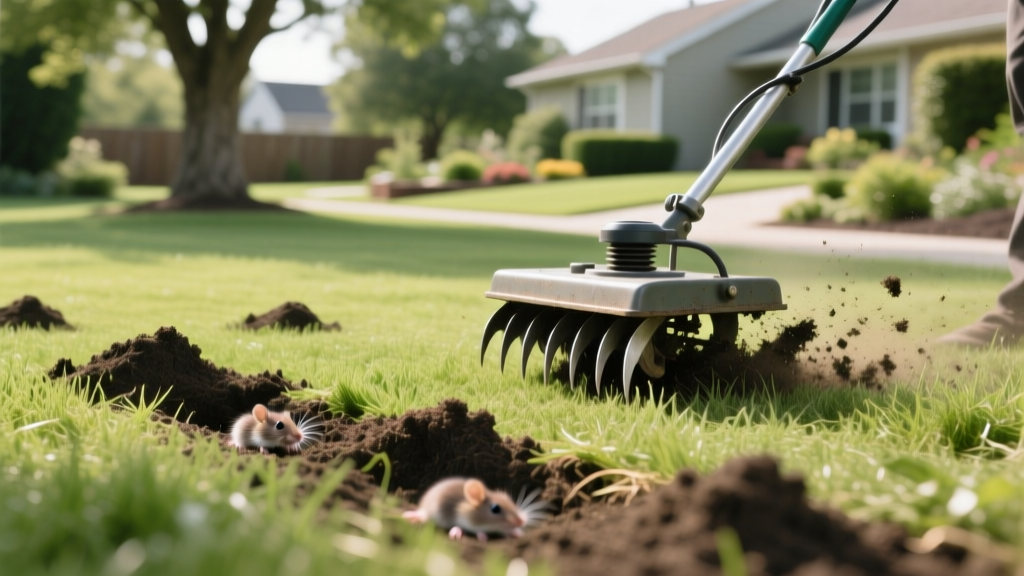
Vole Damage ID & Core Aeration Habitat Control Guide 2026
David ParkPublished
The Hidden Threat Beneath Your Turf: Understanding Voles
For homeowners dedicated to maintaining a pristine lawn, few things are more frustrating than waking up to a yard crisscrossed with unsightly, dead trails. While many are quick to blame moles or gophers, the true culprit in 2026 is often the meadow vole (Microtus species). Voles are small, stocky rodents that thrive in environments offering heavy ground cover, thick thatch, and shallow soil networks. Unlike moles, which primarily eat insects and create deep, raised tunnels, voles are herbivores that feast on grassroots, bulbs, and the bark of young trees, causing devastating structural damage to your landscape.
As integrated pest management (IPM) strategies continue to evolve, the landscaping and agronomic communities are moving away from toxic rodenticides and toward sustainable habitat modification. Surprisingly, one of the most effective, non-chemical weapons against vole infestations is a standard lawn care practice: core aeration. By understanding how to identify vole damage and strategically deploying core aeration to dismantle their habitat, you can reclaim your lawn and fortify it against future invasions.
How to Identify Vole Damage in Your Lawn
Before you can implement a control strategy, you must accurately identify the pest. Voles are often confused with moles, pocket gophers, and mice, but the damage they leave behind is distinctly unique. According to Penn State Extension, voles are active year-round and do not hibernate, meaning damage can accumulate rapidly, especially under the protective cover of winter snow or thick summer thatch.
Key Indicators of Vole Activity
- Surface Runways: Voles create distinct, 1-to-2-inch-wide runways through the grass. These paths are often lined with clipped grass blades and may contain small, greenish-brown droppings.
- Girdled Trees and Shrubs: Voles love to gnaw on the bark of young trees and ornamental shrubs, especially in late fall and winter. Look for irregular, 1/8-inch-wide gnaw marks at the base of trunks. If the bark is completely removed around the circumference (girdling), the plant will likely die.
- Missing Bulbs and Roots: Voles will use existing mole tunnels or natural soil crevices to access and consume the roots of hostas, tulips, and other ornamental plants, causing the plants to suddenly wilt and detach from the soil.
- Absence of Soil Mounds: Unlike moles and gophers, voles do not push soil to the surface. If you see raised mounds of dirt, you are likely dealing with a different pest.
Pest Identification Comparison Chart
| Pest | Diet | Surface Evidence | Tunnel Depth |
|---|---|---|---|
| Vole | Grass, roots, bark | 1-2 inch surface runways, no mounds | Very shallow / surface level |
| Mole | Earthworms, grubs | Raised ridges, conical dirt mounds | Deep (6-12 inches) |
| Pocket Gopher | Roots, tubers | Fan-shaped dirt mounds, plugged holes | Deep (6-18 inches) |
The Core Aeration Advantage: Disrupting Vole Habitat
Why is core aeration such a powerful tool for vole control? The answer lies in habitat modification. Voles are prey animals; they are terrified of open spaces and aerial predators like hawks and owls. To survive, they require a dense canopy of thatch, overgrown grass, or heavy mulch to hide their runway networks. Furthermore, compacted soil forces voles to build their nests and runways directly on the surface or within the thatch layer, rather than burrowing deeply.
Core aeration directly attacks the very environment voles rely on for survival. Here is how this agronomic practice functions as an IPM control method:
1. Physical Destruction of Runways and Nests
A core aerator uses hollow tines to extract plugs of soil 2 to 3 inches deep and 0.5 to 0.75 inches wide. When you pass an aerator over a lawn infested with voles, the heavy machine and the penetrating tines physically collapse their shallow surface tunnels and destroy their thatch-level nesting sites. This immediate disruption forces the colony to scatter and exposes them to natural predators.
2. Thatch Canopy Removal
Thatch is a layer of dead and living organic matter that accumulates between the soil surface and the green grass blades. A thatch layer thicker than 0.5 inches is a vole's best friend, providing a perfect, hidden highway system. Core aeration pulls soil plugs up and deposits them on top of the thatch. As these plugs break down, they introduce soil microbes that rapidly decompose the thatch layer, effectively stripping away the vole's protective roof.
3. Promoting Dense Turf Recovery
Voles exploit thin, weak turf where they can easily clip grass down to the soil line. By relieving soil compaction, aeration allows water, oxygen, and nutrients to reach the root zone. When paired with overseeding, core aeration helps establish a thick, dense, and aggressive turfgrass canopy in 2026 that outcompetes weeds and leaves no physical room for voles to construct new runways.
Your 2026 Core Aeration Execution Plan
To maximize the pest-control benefits of core aeration, timing and execution are critical. The University of California Statewide IPM Program emphasizes that modifying the habitat to make it less attractive to voles is the most sustainable long-term control method.
Step 1: Timing Your Aeration
Aerate cool-season grasses (like Kentucky Bluegrass and Fescue) in the early fall, and warm-season grasses (like Bermuda and Zoysia) in the late spring. This aligns with the grass's peak growing season, allowing rapid recovery while disrupting vole breeding cycles.
Step 2: Equipment and Preparation
In 2026, renting a heavy-duty, walk-behind core aerator from a local equipment rental yard typically costs between $95 and $130 per day. Avoid cheap, spike-style aerators or aerator shoes; these merely poke holes and can actually increase soil compaction around the edges of the hole, which does not effectively collapse vole tunnels or remove thatch.
- Water your lawn deeply 24 hours before aeration to ensure the tines can penetrate 2 to 3 inches into the soil.
- Mark all shallow irrigation heads and utility lines to prevent damage.
Step 3: The Double-Pass Technique
For severe vole damage, make two passes over your lawn. The first pass should be in one direction, and the second pass should be perpendicular to the first. Aim for 20 to 40 holes per square foot. This grid-like destruction ensures that no shallow vole runway is left intact.
Step 4: Leave the Plugs and Overseed
Do not rake up the soil plugs. Allow them to dissolve naturally over the next two weeks to break down the thatch. Immediately follow up with a high-quality, pest-resistant turfgrass seed blend and a starter fertilizer to fill in the dead patches left by vole gnawing.
Complementary Habitat Modification Strategies
While core aeration is a foundational practice, a complete IPM approach requires addressing other areas of your landscape that harbor voles. As noted by the University of Minnesota Extension, combining cultural controls yields the highest success rates for rodent management.
Mulch Management and the 'Donut' Method
Volcano mulching—piling mulch high against the trunk of a tree—is an invitation for vole damage. Mulch provides warmth, moisture, and cover. In 2026, adopt the 'donut' method: keep all mulch, leaf litter, and vegetation at least 6 inches away from the base of trees and shrubs. Create a bare-soil or gravel ring around the trunk to eliminate their hiding spots.
Mowing Height Adjustments
Voles prefer tall grass. Maintain your lawn at the recommended height for your specific turfgrass species throughout the growing season. However, for the final mow of the late fall, drop your mower blade by half an inch. A shorter lawn entering the winter removes the protective canopy voles rely on under the snow, exposing them to foxes, coyotes, and birds of prey.
Gravel and Hardware Cloth Barriers
For high-value ornamental trees or garden beds that are repeatedly targeted, physical exclusion is necessary. Bury a ring of 1/4-inch galvanized hardware cloth 6 inches deep and extend it 18 inches above the soil line around the base of the plant. Alternatively, mixing sharp, crushed gravel into the soil around bulb plantings deters voles from burrowing into the root zone.
Conclusion
Vole damage can rapidly transform a lush lawn into a scarred, patchy mess, but you do not need to resort to hazardous chemicals to win the war. By accurately identifying the signs of meadow voles and leveraging the dual agronomic and pest-control benefits of core aeration, you can destroy their habitat from the ground up. Combine a rigorous 2026 aeration schedule with smart mulching and mowing practices, and you will cultivate a thick, resilient lawn that naturally repels these destructive rodents for years to come.