Pest Control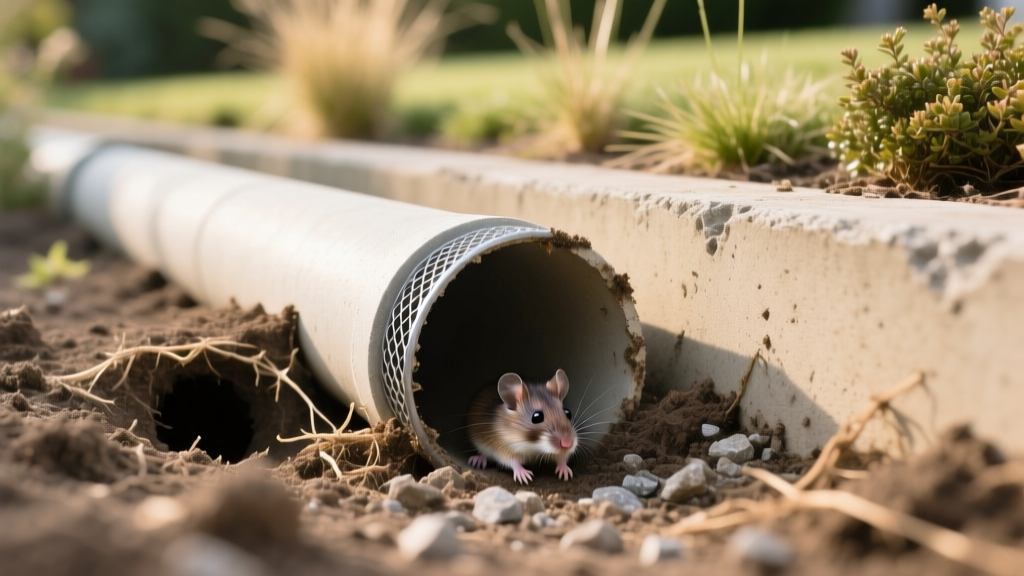
Stop Voles in Landscape Drainage Pipes: 2026 Habitat Control
Sarah ChenPublished
The Hidden Threat: Voles and Landscape Drainage Systems
When homeowners invest in landscape drainage solutions like French drains, NDS catch basins, and corrugated flex pipes, the primary goal is to eliminate standing water and protect foundation integrity. However, these very systems often create an irresistible microhabitat for one of the most destructive lawn pests in North America: the vole. In 2026, integrated pest management (IPM) professionals are seeing a significant rise in vole-related infrastructure damage, specifically targeting the loose backfill and moisture-rich environments surrounding subsurface drainage pipes. Understanding the intersection of landscape hydrology and rodent behavior is the first step toward reclaiming your yard.
Why Voles Target Landscape Drainage Infrastructure
To effectively implement habitat modification, you must understand why voles are drawn to your drainage system. Voles, specifically the meadow vole (Microtus pennsylvanicus) and the subterranean pine vole (Microtus pinetorum), thrive in environments that offer three things: abundant moisture, protective ground cover, and easily excavated soil. Landscape drainage trenches inherently provide all three.
- Loose Backfill Soil: When a French drain or drainage swale is installed, the trench is backfilled with washed gravel and loose topsoil. This aerated, soft substrate requires minimal energy for voles to tunnel through compared to compacted, undisturbed clay.
- Moisture Gradients: Drainage pipes constantly wick moisture from the surrounding soil. Voles require high-humidity environments to prevent desiccation, making the soil immediately adjacent to weeping tiles and perforated pipes an ideal nesting zone.
- Predator-Free Runways: Corrugated landscape pipes and rigid PVC lines act as subterranean highways. Pine voles will often chew directly through the thin walls of corrugated plastic flex pipes to access the dark, protected interior, using the pipe itself as a primary runway to travel safely beneath your lawn.
Identifying Vole Damage Near Drainage Components
Misidentifying vole damage as mole activity is a common mistake that leads to ineffective treatment. Moles are insectivores that create deep, volcano-shaped mounds. Voles are herbivores that create distinct surface runways and cause structural settling above drainage trenches. According to Penn State Extension, accurate identification is the cornerstone of any successful IPM strategy.
Surface Runways and Emitter Points
Meadow voles create 1-to-2-inch-wide surface runways through the grass, often clipping the blades cleanly at a 45-degree angle. In yards with drainage systems, you will notice these runways terminating directly at NDS catch basin grates, channel drain slots, or pop-up emitter locations. The voles use the plastic grates as windbreaks and entry points to the subsurface pipe network.
Sinkholes and Trench Collapse
One of the most alarming signs of vole activity in 2026 is the sudden appearance of linear sinkholes along the path of a buried French drain. As pine voles tunnel parallel to the drainage pipe, they wash loose soil into the perforations of the pipe or create extensive void networks alongside the trench. When the soil canopy can no longer support the weight of the lawn above, it collapses, creating a sunken trench that mimics severe drainage failure.
Gnaw Marks on Plastic Infrastructure
If you inspect your pop-up emitters or the daylight ends of your corrugated pipes, look for parallel, 1/16-inch-wide gnaw marks on the plastic rims. Voles constantly gnaw on hard surfaces to keep their incisors filed down, and the rigid plastic of drainage fittings provides a convenient whetstone.
Habitat Modification: The Core of 2026 IPM Strategies
Chemical rodenticides are increasingly restricted in residential areas due to secondary poisoning risks to raptors and domestic pets. Consequently, Cornell University Integrated Pest Management guidelines heavily emphasize habitat modification as the most sustainable, long-term solution for vole control. By altering the environment around your drainage infrastructure, you make it inhospitable to nesting and tunneling.
Vegetation Management and Canopy Removal
Voles suffer from high predation rates from hawks, owls, and foxes. They rarely cross open, exposed spaces. The areas immediately surrounding drainage exit points, dry wells, and catch basins are often overgrown with tall weeds, hostas, or thick groundcovers. To modify this habitat:
- Maintain a strict 3-foot vegetation-free buffer around all catch basins and pop-up emitters.
- Keep lawn grass mowed to a maximum height of 2 inches in areas where drainage trenches run, removing the thatch layer that provides surface cover for meadow voles.
- Replace dense, moisture-retaining groundcovers near drain inlets with low-growing, sparse succulents or bare hardscaping.
Strategic Gravel Selection for Trench Capping
The type of gravel used in and above your drainage trench dictates its vulnerability to voles. Voles can easily tunnel through round pea gravel or soft mulch. In 2026, landscape architects recommend capping French drain trenches with 3/4-inch crushed angular granite or limestone. The sharp, interlocking edges of angular stone make it physically painful and mechanically difficult for voles to excavate, effectively creating a subterranean barrier that deters tunneling without impeding water percolation.
Physical Exclusion for Drainage Pipes
Where habitat modification is not enough, physical exclusion prevents voles from entering the drainage network. Standard plastic grates on NDS catch basins feature wide slots that easily admit rodents. Retrofitting these components is a highly effective, low-cost intervention.
- Hardware Cloth Overlays: Cut 1/4-inch galvanized steel hardware cloth to fit over the underside of catch basin grates. Secure it with stainless steel zip ties or marine-grade epoxy. This allows water to flow freely while blocking rodent entry.
- Pop-Up Emitter Guards: Install stainless steel mesh sleeves over the discharge flaps of pop-up emitters. Ensure the mesh is small enough (1/4 inch) to prevent voles from squeezing through while large enough to allow debris and water to exit without clogging.
- Pipe Material Upgrades: If you are repairing a collapsed drainage line, replace terminal ends and shallow-run corrugated flex pipes with rigid Schedule 40 PVC. Voles cannot easily chew through thick-walled PVC, whereas thin corrugated plastic offers little resistance.
Comparison Chart: Drainage Pipe Vole Deterrents
The following table outlines the most effective physical and habitat modifications for protecting landscape drainage systems in 2026, including current estimated material costs and durability expectations.
| Drainage Component | Vole Vulnerability | 2026 Modification Strategy | Estimated Cost | Durability |
|---|---|---|---|---|
| NDS Catch Basin Grate | Large plastic openings allow easy entry and nesting. | Overlay underside with 1/4-inch galvanized hardware cloth. | $15 - $25 | 10+ Years |
| Pop-Up Emitter | Warm, moist air attracts voles; flaps are easily bypassed. | Install stainless steel mesh emitter guard sleeve. | $12 - $20 | 5 - 8 Years |
| French Drain Trench | Loose backfill and topsoil encourage deep tunneling. | Cap trench with 4 inches of 3/4-inch crushed angular gravel. | $2 - $4 / sq ft | Permanent |
| Corrugated Flex Pipe | Thin plastic walls are easily gnawed and breached. | Replace shallow runs with rigid Schedule 40 PVC. | $30 - $50 / section | 20+ Years |
| Drain Exit Daylight | Overgrown vegetation provides predator cover. | Clear 3-foot radius; apply crushed stone mulch buffer. | $20 - $40 | Requires Annual Maintenance |
Seasonal Maintenance and Monitoring
Habitat modification is not a one-time event; it requires seasonal vigilance. According to the University of Minnesota Extension, vole populations typically peak in late autumn as they seek overwintering sites. Before the first frost, conduct a thorough audit of your drainage system.
Flush all French drains and catch basins with a high-pressure garden hose. This not only clears silt and debris but also floods any active vole tunnels that have intersected the pipe network, forcing the colony to relocate. Inspect the hardware cloth overlays on your catch basins for rust or displacement, and ensure that the 3-foot vegetation buffers around your emitters remain clear of autumn leaf litter, which can provide the exact canopy cover voles need to survive the winter.
Conclusion
Landscape drainage pipes are essential for a healthy, dry lawn, but they inadvertently create premium real estate for destructive voles. By shifting your focus from reactive trapping to proactive habitat modification, you can protect your infrastructure and your turf. Implementing sharp gravel trench caps, upgrading to rigid PVC, and maintaining strict vegetation-free buffers around drain inlets will ensure your drainage system functions exactly as intended—moving water away from your home, without inviting a colony of rodents to move in.