Pest Control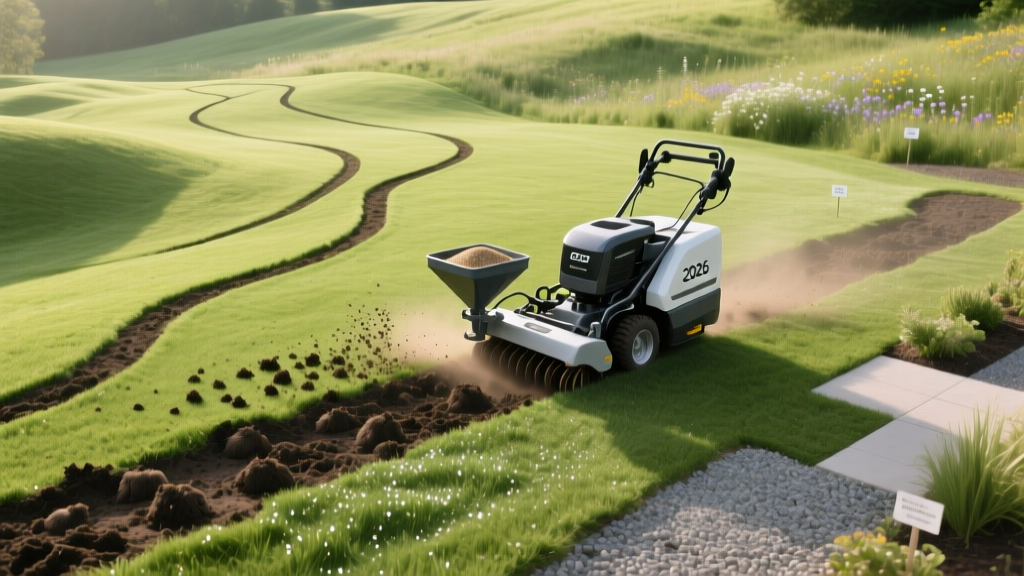
Repair Vole Damage: Lawn Aeration & Seeding 2026
David ParkPublished
Identifying Vole Damage in the Modern Lawn
As we navigate the 2026 landscaping season, shifting climate patterns and milder winters across many North American hardiness zones have led to a significant surge in vole populations. For lawn care professionals and homeowners alike, distinguishing between general winter kill and active vole damage is the critical first step in Integrated Pest Management (IPM). Voles, often mistakenly called meadow mice, are prolific breeders that cause extensive damage to turfgrass root systems and crowns, particularly under the cover of snow or thick thatch.
Vole Runways vs. Mole Tunnels: Know the Difference
Before initiating any aeration or seeding protocol, accurate identification is paramount. Vole damage is characterized by shallow, surface-level runways that are typically 1 to 2 inches wide. These runways are created by voles constantly traveling the same paths, clipping grass blades at the soil line and chewing on the crowns of the turf. You will often find small, 1-inch diameter holes leading into these runways, usually near the base of trees, shrubs, or dense groundcovers.
In contrast, mole damage presents as raised, volcano-shaped mounds of soil and deep, subsurface ridges that disrupt the root zone. While moles are insectivores feeding on grubs and earthworms, voles are herbivores that directly consume your turfgrass and ornamental roots. According to Penn State Extension, correctly identifying the pest ensures you do not waste time and resources applying grub control when the actual culprit is a surface-foraging vole.
Core Aeration as a Habitat Modification Tool
When addressing vole infestations from an 'Aeration and Seeding' perspective, it is vital to understand that habitat modification is your most powerful long-term control method. Voles are agoraphobic; they despise open spaces where they are vulnerable to aerial predators like hawks, owls, and foxes. They rely heavily on thick thatch layers, overgrown turf, and dense mulch beds to provide a protective canopy over their runways.
Thatch Reduction and Canopy Disruption
Core aeration is a cornerstone of vole habitat modification. By physically extracting 2-to-3-inch soil plugs, core aeration aggressively fractures the thatch layer and introduces oxygen to the soil microbiome, accelerating the decomposition of organic matter. A lawn with a thatch layer exceeding 0.5 inches is a prime breeding ground for voles. Regular fall and spring aeration keeps thatch levels below the 0.25-inch threshold, effectively stripping voles of their protective cover and forcing them to relocate to more hospitable, unmanaged areas.
Core Aeration vs. Liquid Aeration for IPM
In 2026, liquid aeration products utilizing advanced surfactants and humic acids have gained popularity for relieving soil compaction. However, for vole habitat modification, mechanical core aeration remains vastly superior. Liquid aeration does not physically remove the thatch canopy or disrupt existing surface runways. Mechanical core aeration physically tears through the runway network, collapsing shallow tunnels and exposing the voles to predators and environmental stressors.
2026 Seeding Strategies for Runway Repair
Once the vole habitat has been modified through aeration and the runways have been physically disrupted, the lawn must be repaired. Simply throwing seed over dead runways will result in poor germination and weak root structures that are easily destroyed by the next vole generation. Modern turfgrass science offers specific seeding strategies tailored for pest resilience.
Selecting Vole-Resistant Cultivars
The University of Maryland Extension notes that while no grass is entirely 'vole-proof,' certain turf types are far more resilient due to their growth habits and silica content. For 2026 lawn renovations, we recommend the following seed blends:
- Rhizomatous Tall Fescue (RTF): Unlike traditional bunch-type fescues, RTF spreads via underground rhizomes. If a vole chews through the crown of an RTF plant, the surrounding rhizome network quickly fills in the gap, maintaining turf density and preventing soil erosion in the runway.
- Microclover and Turfgrass Mixes: The 2026 trend of integrating 5% to 10% microclover into tall fescue lawns provides a dual benefit. Microclover fixes nitrogen, reducing the need for synthetic fertilizers, and its dense, low-growing habit creates a highly competitive sward that leaves little bare soil for voles to exploit.
- Endophyte-Enhanced Perennial Ryegrass: Modern perennial ryegrass cultivars infected with beneficial endophytic fungi are naturally unpalatable to many surface-feeding insects and small mammals, offering a biological deterrent to grazing voles.
Slit-Seeding vs. Overseeding for Runways
For heavily damaged lawns where vole runways have caused widespread soil disruption and seedbed instability, slit-seeding is the preferred 2026 repair method. Slit-seeders cut precise, 1/4-inch deep grooves directly into the soil and drop seed exactly into the furrow. This ensures maximum seed-to-soil contact, which is critical for germination in the loose, aerated soil of a collapsed runway. If the damage is localized, aggressive hand-raking of the runways followed by a heavy overseeding and topdressing will suffice.
Step-by-Step Vole Damage Repair Protocol
To effectively repair vole damage while simultaneously modifying the habitat to prevent future outbreaks, follow this structured protocol. The costs below reflect average 2026 market rates for professional-grade materials and equipment rentals.
| Phase | Action | Equipment/Materials | Est. Cost (per 1,000 sq ft) |
|---|---|---|---|
| 1. Disruption | Mow lawn short (2 inches) and aggressively rake all visible vole runways to collapse tunnels and remove dead thatch. | Stiff-tine thatch rake or power dethatcher | $15 - $25 (Rental) |
| 2. Aeration | Perform deep core aeration, making two passes in perpendicular directions to maximize soil fracturing and thatch removal. | Walk-behind core aerator | $20 - $35 (Rental) |
| 3. Topdressing | Apply a 1/4-inch layer of coarse compost or a 70/30 sand-compost mix to fill runways and improve drainage. | Screened topsoil/compost blend | $30 - $45 |
| 4. Seeding | Slit-seed or overseed with an RTF Tall Fescue or Endophyte-enhanced blend at 5-8 lbs per 1,000 sq ft. | RTF Seed, Slit-seeder | $40 - $60 |
| 5. Establishment | Apply a starter fertilizer high in phosphorus and keep soil consistently moist for 21 days. | Starter fertilizer, sprinklers | $15 - $20 |
Long-Term Habitat Modification & Lawn Care
Repairing the lawn is only half the battle; maintaining an environment that is hostile to voles is the key to long-term IPM success. Voles thrive in neglected landscapes. Implementing the following cultural practices will ensure your newly aerated and seeded lawn remains robust and pest-free.
Optimal Mowing Heights
One of the most common mistakes homeowners make is scalping the lawn in an attempt to 'starve out' voles. This is counterproductive. Scalping stresses the turf, reduces root depth, and ultimately creates a weaker lawn that is more susceptible to secondary pests and drought. In 2026, turfgrass experts universally recommend maintaining a mowing height of 3.0 to 3.5 inches for cool-season grasses. This height promotes deep rooting, shades out weed seeds, and maintains enough structural integrity to recover from minor surface grazing without exposing the soil.
Mulch and Hardscape Management
Voles often use mulch beds and the edges of hardscapes as staging areas before moving into the turf. Keep organic mulch layers no deeper than 2 to 3 inches, and maintain a 3-inch 'mulch-free' buffer zone around the trunks of trees and shrubs. Consider substituting traditional bark mulch near high-risk areas with inorganic options like crushed stone or gravel, which do not provide the moisture retention and tunneling stability that voles require.
IPM Expert Insight: 'The goal of habitat modification is not necessarily to eradicate every single vole from the ecosystem, but to reduce the carrying capacity of your lawn so that the population remains below the threshold of economic and aesthetic damage. A well-aerated, deeply rooted lawn can easily outgrow minor vole grazing.' — 2026 Turfgrass Management Guidelines
Encouraging Natural Predators
Finally, embrace the ecological aspect of IPM by encouraging natural vole predators. Installing raptor perches or owl boxes in larger properties can significantly reduce rodent populations. Furthermore, avoiding the use of broad-spectrum rodenticides ensures that you do not accidentally poison the very hawks, owls, and snakes that provide free, continuous pest control for your landscape.
By combining the physical disruption of core aeration, the resilience of modern 2026 seed cultivars, and strict habitat modification protocols, you can effectively erase vole damage and fortify your lawn against future infestations. A dense, deeply rooted turf is your best defense against the hidden threats beneath the canopy.