Pest Control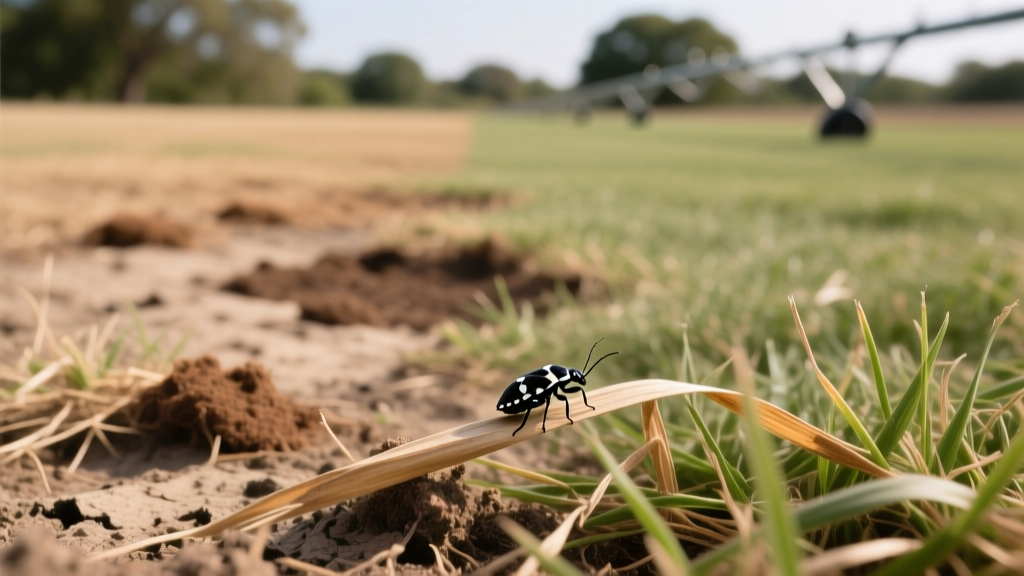
Water-Wise Chinch Bug Control For Drought-Stressed Lawns
Lisa ThompsonPublished
The Hidden Culprit Behind Drought-Like Lawn Damage
When summer heat peaks and rainfall dwindles, homeowners often notice irregular brown patches spreading across their lawns. The immediate assumption is drought stress, prompting an increase in irrigation schedules. However, in many warm-season grasses—particularly St. Augustine and Zoysia—this damage is frequently caused by the southern chinch bug (Blissus insularis). Misdiagnosing a chinch bug infestation as drought stress leads to severe water waste, higher utility bills, and unchecked pest proliferation.
According to the U.S. Environmental Protection Agency (EPA) WaterSense program, outdoor water use accounts for nearly 30% of total household water consumption, with a significant portion wasted on inefficient irrigation practices. Watering a lawn to 'fix' chinch bug damage is a common water-wise mistake. Chinch bugs thrive in hot, dry conditions and often attack the edges of lawns near heat-radiating surfaces like driveways and sidewalks. Overwatering these areas will not drown the pests; instead, it creates a humid microclimate that invites secondary fungal diseases like brown patch, while depleting local water resources.
Drought Stress vs. Chinch Bug Damage: How to Tell the Difference
Implementing an effective Integrated Pest Management (IPM) strategy begins with accurate identification. Before you adjust your sprinkler timers, you must determine whether your lawn is suffering from a lack of water or an active insect invasion. The University of Florida IFAS Extension notes that chinch bugs inject a salivary toxin while feeding that blocks the plant's vascular system, causing the grass to yellow and die even if soil moisture is adequate.
| Diagnostic Feature | Drought Stress | Chinch Bug Damage |
|---|---|---|
| Progression | Uniform thinning, wilting, and browning across large zones. | Irregular, expanding yellow-to-brown patches. |
| Location | Entire lawn, or elevated areas with poor water retention. | Often starts near 'heat sinks' like concrete driveways, sidewalks, and south-facing walls. |
| Soil Moisture | Bone dry, hydrophobic soil, difficult to penetrate with a screwdriver. | Soil may be moist or dry; moisture level does not correlate with the damage. |
| Grass Base Inspection | Grass crowns remain green but leaves fold and turn brown at the tips. | Grass base shows distinct black/brown lesions; you may spot tiny black and white insects at the soil line. |
The Tin Can Test (Float Test)
To confirm a chinch bug infestation without relying on guesswork, perform the 'Tin Can Test.' This is a cornerstone of water-wise IPM because it prevents unnecessary chemical and water applications.
- Step 1: Remove both ends of a metal coffee can or large tin can.
- Step 2: Push the can 2 to 3 inches into the soil at the margin of a damaged patch (where healthy grass meets dying grass).
- Step 3: Fill the can with water and wait for 3 to 5 minutes. Keep the water level near the top.
- Step 4: Observe the surface. Chinch bugs are buoyant and will float to the top. If you see more than 2 to 3 chinch bugs per can, treatment is required. If the can remains empty, your lawn is likely suffering from drought stress or a different issue.
Water-Wise IPM Strategies for Chinch Bug Control
Once chinch bugs are confirmed, the goal is to eliminate the pest while adhering to drought-tolerant landscaping principles. The Texas A&M AgriLife Extension recommends a tiered approach to management that prioritizes cultural and biological controls before resorting to synthetic chemicals.
1. Cultural Controls: Mowing and Thatch Management
Chinch bugs love thick thatch layers because thatch provides a protective barrier against predators and harsh weather, while also repelling water. A thatch layer thicker than 0.5 inches prevents irrigation from reaching the soil, exacerbating drought stress even when you are actively watering.
- Action: Rent a power dethatcher (vertical mower) or hire a professional. Expect to pay between $50 and $80 for a daily rental, or $100 to $150 for professional service.
- Timing: Dethatch in late spring or early summer when the grass is actively growing and can recover quickly.
- Water-Wise Mowing: Raise your mower blade to 3.5 or 4 inches. Taller grass shades the soil, reducing evaporation rates by up to 20% and making the environment less hospitable for sun-loving chinch bugs.
2. Biological Controls: Beneficial Nematodes and Big-Eyed Bugs
Preserving natural predators is essential for long-term, water-wise pest control. The 'Big-Eyed Bug' (Geocoris species) is a natural predator that looks remarkably similar to the chinch bug but is highly beneficial. Avoid broad-spectrum insecticides that wipe out these allies.
For active biological intervention, apply beneficial nematodes, specifically Steinernema carpocapsae. These microscopic worms seek out and destroy chinch bug nymphs in the soil.
- Product & Cost: Commercial nematode products (e.g., BioSafe, NemaSeek) cost approximately $40 to $50 for 10 million nematodes, which treats roughly 400 to 500 square feet of heavily infested turf.
- Application & Water Impact: Nematodes require soil moisture to move and survive. To remain water-wise, apply them in the early morning or late evening immediately following a scheduled, deep irrigation cycle (about 0.5 inches of water). This utilizes your necessary watering window efficiently without adding extra, wasteful irrigation days to your schedule.
3. Targeted Chemical Controls (When Necessary)
If biological controls fail and the infestation threatens to destroy the lawn, targeted chemical intervention is necessary. However, water-wise gardeners must avoid 'broadcast' applications that require excessive watering-in and harm the broader ecosystem.
- Active Ingredients: Look for products containing Bifenthrin (e.g., Talstar P) or Clothianidin. These are highly effective against chinch bugs.
- Spot Treatment: Only treat the affected areas and a 3-foot buffer zone, rather than spraying the entire lawn. This reduces chemical runoff and protects beneficial insects in healthy zones.
- Watering-In Requirements: Many liquid contact insecticides do not require heavy watering-in, unlike granular soil-applied grub preventatives. A light misting (just enough to wash the chemical off the grass blades and down to the thatch layer) is usually sufficient. This requires less than 0.1 inches of water, preserving your drought-management strategy.
Long-Term Drought and Pest Resilience
The ultimate water-wise solution to chinch bugs is cultivating a lawn that can withstand both environmental and biological stress. Lawns with deep root systems are naturally more resilient to the salivary toxins injected by chinch bugs.
To achieve this, transition to a 'deep and infrequent' watering schedule. Instead of watering for 15 minutes every day, apply 0.5 to 1 inch of water once or twice a week. Use a rain gauge or empty tuna cans placed around the lawn to measure output. This forces grass roots to grow deeper into the soil profile in search of moisture, anchoring the plant and providing a buffer against the surface-level feeding of the chinch bug.
Furthermore, if you are overseeding or repairing dead patches left by chinch bugs, consider endophyte-enhanced turfgrass varieties. Endophytes are naturally occurring, beneficial fungi that live inside the grass plant and produce alkaloids that deter surface-feeding insects, including chinch bugs, without requiring any additional water or chemical inputs. By combining accurate identification, targeted biological treatments, and intelligent irrigation practices, you can reclaim your lawn from chinch bugs while honoring water conservation principles.