Pest Control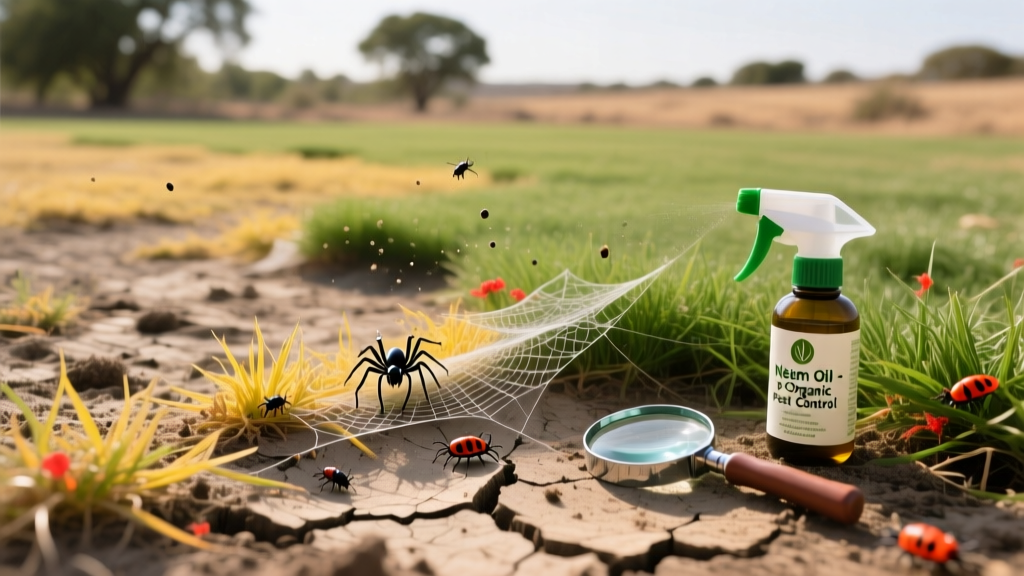
Water-Wise Pest Control: Managing Chinch Bugs In Drought
Robert HayesPublished
The Hidden Link Between Drought Stress and Lawn Pests
When a severe drought strikes, homeowners often watch helplessly as their once-lush lawns turn brittle and brown. However, water scarcity does more than just dehydrate your turf; it fundamentally alters the ecological balance of your yard, inviting devastating pests that thrive in hot, dry conditions. Implementing a water-wise pest control strategy is essential for protecting your landscape without violating municipal water restrictions or wasting a precious resource. By understanding the intersection of drought stress and pest vulnerability, you can deploy targeted, low-water integrated pest management (IPM) tactics to save your lawn.
Under normal conditions, healthy grass utilizes robust cellular turgor pressure and natural biochemical defenses to deter invading insects. When a lawn experiences prolonged drought stress, these defenses collapse. The grass blades become thinner, and the plant's internal chemistry shifts, often increasing the concentration of free amino acids and soluble sugars in the plant sap. This makes the drought-stressed turf significantly more nutritious and easier to pierce for sap-sucking insects. Furthermore, dry, dusty environments accelerate the reproductive cycles of specific arachnids and insects, allowing populations to explode in a matter of weeks.
Identifying Drought-Loving Pests
To manage pests without relying on water-heavy treatment protocols, you must first accurately identify the culprits. The two most notorious drought-exploiting pests in North American lawns are the Southern Chinch Bug and the Twospotted Spider Mite.
Southern Chinch Bugs (Blissus insularis)
Chinch bugs are the primary nemesis of St. Augustinegrass, but they will also attack Zoysia, Centipede, and Bermuda grasses. They thrive in the hottest, sunniest parts of the lawn—exactly where drought stress appears first. According to the University of Florida IFAS Extension, chinch bug damage is frequently misdiagnosed as drought stress because the symptoms are nearly identical: irregular patches of yellowing grass that rapidly turn brown and die. To confirm their presence without wasting water on the traditional 'coffee can float test,' part the grass at the edge of the damaged area and look closely at the soil surface and thatch layer. You are looking for tiny, black adults with white wings, or reddish-orange nymphs with a white band across their backs.
Spider Mites (Tetranychidae)
Spider mites are not insects; they are arachnids that flourish in hot, dusty, and water-deprived environments. The University of California Statewide Integrated Pest Management Program notes that drought conditions suppress the fungal pathogens that naturally keep mite populations in check. Mite damage appears as 'stippling'—tiny yellow or white dots on the grass blades. In severe infestations, you may notice fine, silken webbing at the base of the turf.
Water-Wise Cultural Control Strategies
Cultural controls form the foundation of any IPM program. When water is restricted, your mowing and maintenance habits must adapt to shade the soil and preserve moisture while deterring pests.
- Raise Your Mower Deck: Cut your grass at the highest recommended setting for your species (e.g., 3.5 to 4 inches for St. Augustine). Taller grass shades the soil, reducing evaporation and creating a cooler, more humid microclimate at the soil level that discourages chinch bugs and mites.
- Leave Clippings on the Lawn: Grass clippings act as a light mulch, returning moisture and nutrients to the soil while hiding the thatch layer from foraging pests.
- Manage Thatch Carefully: Chinch bugs overwinter and breed in thick thatch. While dethatching usually requires heavy watering afterward to help the lawn recover, you can use a manual thatch rake during the cooler, wetter shoulder seasons (spring or fall) to avoid stressing the lawn during peak summer drought.
- Targeted Syringing for Mites: Spider mites hate humidity and physical disruption. Instead of deep watering the soil, use a hose nozzle to lightly 'syringe' the grass blades with a fine mist of water in the early morning. This washes the mites off the blades and increases localized humidity without saturating the soil or violating deep-watering restrictions.
Targeted Treatments That Conserve Water
When cultural controls are insufficient, you must intervene with targeted treatments. Many traditional chemical pesticides require 'watering in' (applying 0.25 to 0.5 inches of irrigation immediately after application) to move the active ingredient into the soil profile. During a drought, this is either illegal or ecologically irresponsible. Instead, rely on foliar applications and spot treatments that require zero irrigation to activate.
Neem Oil and Insecticidal Soaps: Cold-pressed neem oil and insecticidal soaps are highly effective against spider mites and early-stage chinch bug nymphs. Mix 2 tablespoons of neem oil and 1 teaspoon of mild liquid dish soap (as an emulsifier) per gallon of water. Apply using a pump sprayer directly to the affected patches during the late evening. This prevents rapid evaporation and protects the grass from phototoxicity. These treatments work on contact and require absolutely no watering in.
Liquid Spot Treatments vs. Granular Chemicals: If a chinch bug infestation threatens to destroy your lawn and organic options fail, opt for a liquid bifenthrin or cyfluthrin spot treatment rather than granular products. Liquid sprays dry on the foliage and thatch, killing the insects on contact without needing a drop of irrigation water. Always limit chemical applications to the specific damaged zones and a 3-foot buffer zone, rather than broadcasting across the entire yard.
Beneficial Nematodes: Beneficial nematodes (Steinernema carpocapsae) are microscopic worms that hunt and destroy chinch bug nymphs in the thatch and soil. While nematodes do require a moist environment to survive and move through the soil, you can apply them water-wise by doing so late in the evening and immediately covering the treated area with a thin layer of fine compost or mulch. This top-dressing traps the existing soil moisture, protecting the nematodes from UV light and desiccation without requiring you to run your sprinklers for extended cycles.
| Treatment | Type | Water Needed | Best For | Est. Cost / 1k sq ft |
|---|---|---|---|---|
| Neem Oil Spray | Organic | None (Foliar) | Mites, Early Nymphs | $15 - $25 |
| Insecticidal Soap | Organic | None (Foliar) | Soft-bodied insects | $10 - $20 |
| Bifenthrin Liquid | Chemical | None (Spot Spray) | Heavy Chinch Bugs | $20 - $35 |
| S. carpocapsae Nematodes | Biological | Existing Soil Moisture | Soil-dwelling nymphs | $25 - $40 |
Prevention and Long-Term Drought Resilience
The ultimate water-wise pest control strategy is cultivating a lawn that naturally resists both drought and pests. As recommended by the EPA WaterSense program, transitioning to drought-tolerant turfgrasses and utilizing hydrozoning can drastically reduce your landscape's water footprint. If you are overseeding or replacing damaged sections, look for endophyte-enhanced grass varieties. Endophytes are beneficial fungi that live inside the grass tissue, producing natural alkaloids that deter sap-sucking insects like chinch bugs while simultaneously improving the plant's drought tolerance.
Finally, aerate your lawn and top-dress with compost during the fall. Compost acts like a sponge, increasing the soil's water-holding capacity by up to 20 percent. A deeply rooted, well-hydrated lawn is the single most effective pest control mechanism nature has to offer, ensuring your turf remains resilient even when the rain stops falling.