
Landscaping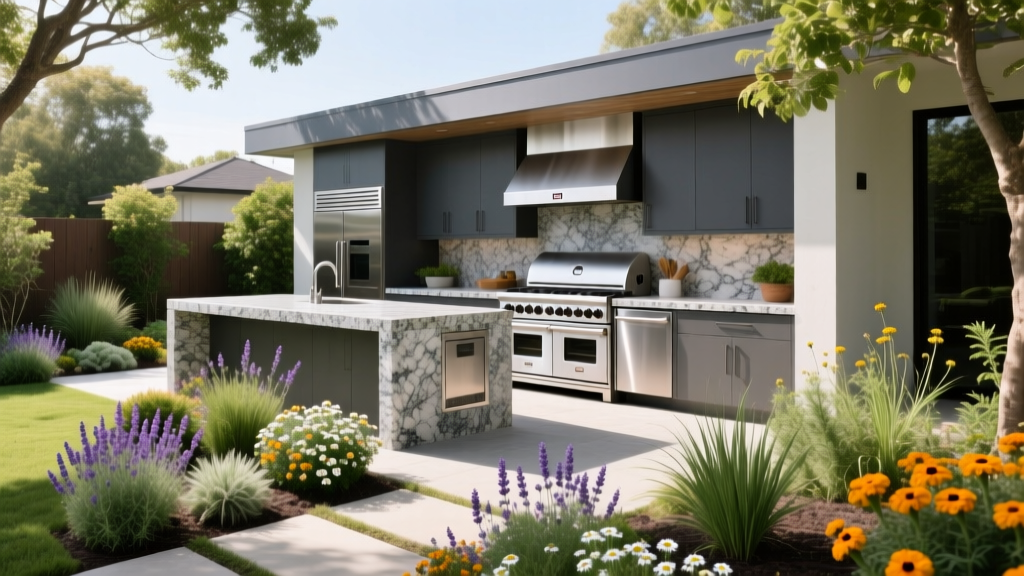
2026 Weber Summit Outdoor Kitchen & Bio-Control Landscaping
James MillerPublished
The 2026 Outdoor Kitchen Paradigm: Luxury Meets Ecology
As we navigate the landscaping trends of 2026, the ultimate backyard upgrade is no longer just about high-end appliances and premium stone; it is about ecological harmony. Homeowners are increasingly pairing luxury hardscaping—like custom granite countertops and the flagship Weber Summit built-in grill—with sustainable, bio-control landscaping. The goal is to create a seamless outdoor living space that naturally manages pests without relying on harsh chemical sprays that can contaminate food prep areas or harm local pollinators.
Designing an outdoor kitchen requires careful consideration of the surrounding microclimate. When you are searing steaks on a Weber Summit or prepping fresh salads on a sprawling granite island, the last thing you want is an invasion of yellowjackets, flies, or aphids drifting in from nearby garden beds. By integrating biological control (bio-control) principles into your hardscape borders, you can cultivate a natural defense system that keeps uninvited guests at bay while supporting the local ecosystem.
Hardscape Materials as the First Line of Defense
Before planting a single seed, the physical materials of your outdoor kitchen play a massive role in pest management. In 2026, advanced sealing technologies for natural stone have made granite countertops virtually impenetrable. Unlike timber, composite decking, or porous concrete, properly sealed granite offers zero harborage for carpenter ants, termites, or earwigs. It does not retain moisture in microscopic crevices, effectively eliminating the damp environments that attract slugs and pillbugs.
Similarly, the Weber Summit built-in grill series, with its premium 304 stainless steel construction and seamless integration into stone or masonry islands, minimizes food residue buildup. Pests are primarily drawn to outdoor kitchens by the scent of decaying organic matter, sugars, and proteins. The non-porous nature of stainless steel and granite allows for rapid, thorough sanitation. When paired with integrated 2026 smart-waste management systems—such as sealed, odor-blocking compost bins built directly into the cabinetry—you drastically reduce the olfactory signals that attract foraging insects and rodents.
The Bio-Control Buffer Zone
Bio-control involves using natural predators, parasites, and pathogens to manage pest populations. According to the EPA's guidelines on Integrated Pest Management, establishing habitats for beneficial insects is a cornerstone of reducing reliance on chemical pesticides. However, you do not want to attract stinging insects directly to your cooking space. The solution is the 'Bio-Control Buffer Zone'—a strategically planted perimeter located 10 to 15 feet away from the primary cooking and dining areas.
By planting specific insectary plants in the granite-edged raised beds surrounding your patio, you attract predatory insects like ladybugs, lacewings, and parasitic wasps. These beneficial insects will patrol your broader landscape, devouring aphids, caterpillars, and mites, ensuring your ornamental garden remains pristine without the need for disruptive spraying near your food preparation zones.
Deterring the Uninvited Grill Guests
While parasitic wasps are microscopic and harmless to humans, yellowjackets and hornets are a notorious nuisance around barbecue grills. To naturally repel these aggressive scavengers, incorporate highly aromatic herbs directly into the planter boxes adjacent to your Weber Summit grill. Plants like spearmint, thyme, rosemary, and citronella grass emit volatile oils that mask the scent of cooking meat and confuse the navigational senses of stinging pests.
Strategic Plant Selection for Kitchen Perimeter Bio-Control
Selecting the right flora for the hardscape borders is critical. You need plants that thrive in the reflected heat of granite and stainless steel while serving a distinct ecological purpose. Below is a curated planting guide for the 2026 outdoor kitchen perimeter.
| Plant Species | Beneficial Insect Attracted | Pest Deterred / Controlled | Ideal Kitchen Placement |
|---|---|---|---|
| Sweet Alyssum | Hoverflies, Parasitic Wasps | Aphids, Mealybugs | Groundcover in granite-edged beds (10ft from grill) |
| Yarrow (Achillea) | Ladybugs, Lacewings | Spider Mites, Whiteflies | Sunny perimeter borders near patio seating |
| Lemon Thyme | General Pollinators | Yellowjackets, Mosquitoes | Crevice plantings near the grill sear station |
| Marigolds (Tagetes) | Nematode suppression | Root-knot Nematodes, Whiteflies | Potted accents on granite countertops |
| Dill ( Flowering) | Predatory Wasps, Tachinid Flies | Cabbage Loopers, Tomato Hornworms | Adjacent vegetable prep gardens |
As noted by the University of California IPM program, providing a continuous bloom cycle from early spring to late autumn ensures that beneficial insect populations remain stable and active throughout the entire grilling season.
Lighting and Water Management for 2026
Hardscaping extends beyond stone and steel; it encompasses lighting and water features, both of which heavily influence insect behavior. Traditional halogen or incandescent outdoor lights emit high levels of ultraviolet (UV) and blue light, which act as a beacon for moths, beetles, and the spiders that eat them. In 2026, the standard for outdoor kitchens is warm-spectrum LED lighting (2700K or lower) integrated into the granite overhangs and Weber Summit hood. These warmer tones are significantly less attractive to nocturnal insects, keeping your evening dinner parties bug-free.
Water features add ambiance to an outdoor kitchen, but standing water is a breeding ground for mosquitoes. If your landscape design includes a water element near the patio, ensure it features a high-flow recirculating pump or a bubbling basalt column. The constant surface agitation prevents mosquitoes from laying eggs. Additionally, introducing mosquito dunks containing Bacillus thuringiensis israelensis (Bti)—a naturally occurring bacterium that targets only mosquito and black fly larvae—into any nearby drainage catch basins provides an invisible, non-toxic bio-control shield.
Soil and Turf Bio-Control Around the Patio
The transition zone between your granite patio and the surrounding lawn is another critical area for bio-control. Heavy foot traffic and food spills can stress the turf, making it susceptible to grubs and chinch bugs. Instead of applying broad-spectrum chemical insecticides that can wash onto your patio or contaminate your garden beds, utilize beneficial nematodes (Heterorhabditis bacteriophora).
Applied via a simple hose-end sprayer in the early evening, these microscopic organisms seek out and destroy soil-dwelling pests like Japanese beetle grubs before they can mature and attract larger nuisance wildlife, such as raccoons and skunks, to your outdoor kitchen. Maintaining a healthy, organically managed lawn ensures that the soil food web remains robust, naturally suppressing pests that might otherwise migrate toward the warmth and shelter of your hardscaped kitchen island.
Maintenance and Bio-Control Safety
To maintain the integrity of your bio-control landscape, avoid using broad-spectrum insecticidal soaps or neem oil near your insectary plants. While these are considered organic, they do not discriminate between a destructive aphid and a beneficial lacewing larva. If a localized pest outbreak occurs on your ornamental plants, rely on targeted bio-control releases, such as purchasing live ladybugs or predatory mites from a reputable supplier, rather than spraying.
Furthermore, keep your Weber Summit grill covered when not in use, and ensure that the granite countertops are wiped down with a simple, eco-friendly vinegar solution after every meal. This routine maintenance, combined with a thoughtfully designed bio-control perimeter, ensures that your outdoor kitchen remains a pristine, luxurious, and ecologically balanced sanctuary for years to come.

