
Landscaping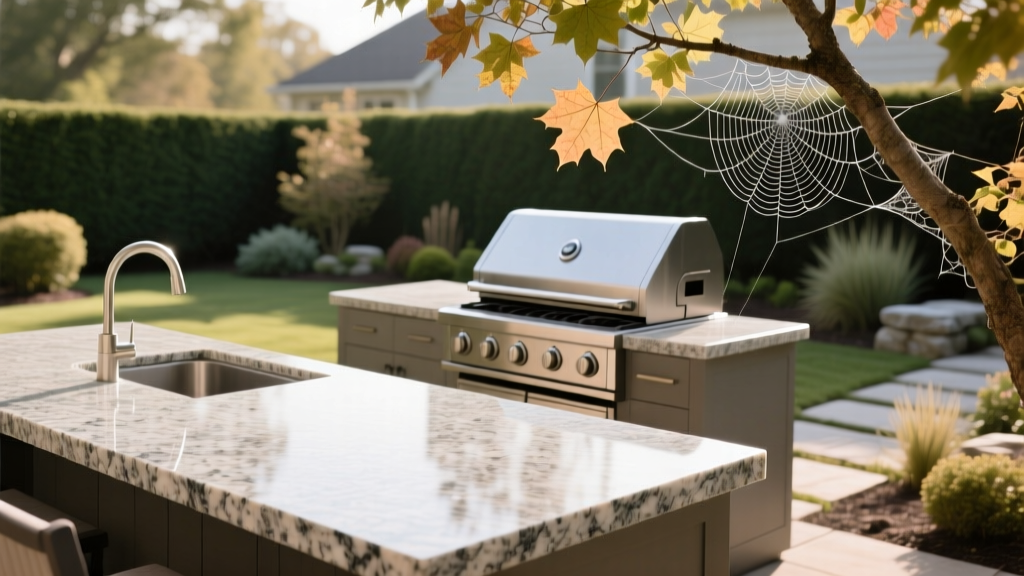
2026 Weber Summit Outdoor Kitchen & Tree Web Worm Control Guide
Anna KowalskiPublished
The Dream vs. The Reality: Grilling Under the Canopy
Designing a luxury outdoor living space in 2026 often centers around a high-end culinary hub. For many homeowners, the ultimate landscaping achievement is installing a custom outdoor kitchen featuring a Weber Summit smart grill and premium granite countertops, all nestled beneath the cooling shade of a mature canopy tree. The aesthetic appeal of natural stone paired with the brushed stainless steel of a Weber Summit FS38X is undeniable, creating a seamless transition between your garden and your entertainment space.
However, this idyllic landscaping setup harbors a hidden, messy threat: tree web worms. Whether you are dealing with the late-summer webs of the fall webworm (Hyphantria cunea) or the springtime tents of the Eastern tent caterpillar, these pests pose a unique challenge to outdoor food preparation areas. Caterpillar frass (droppings), shed silks, and the insects themselves can plummet directly onto your granite prep stations and into the intricate burner assemblies of your grill. In 2026, with extended summer heatwaves triggering third-generation webworm hatches in many USDA zones, proactive tree web worm control is no longer just about tree health—it is a critical component of outdoor kitchen maintenance and food safety.
Identifying the Culprits: Fall Webworms vs. Tent Caterpillars
Before you can protect your outdoor kitchen, you must accurately identify the pest inhabiting the overhanging branches. According to the University of Minnesota Extension, fall webworms and tent caterpillars are frequently confused, but their behaviors and seasonal timings dictate entirely different control strategies.
Fall Webworms (Hyphantria cunea)
Fall webworms construct large, unsightly, silken webs at the terminal ends of branches, typically from late July through September. They enclose the foliage within their webbing and feed from the inside out. As the colony grows, the web expands to engulf more leaves. For an outdoor kitchen situated below a host tree (such as pecan, walnut, cherry, or willow), the primary issue is the sheer volume of frass that sifts through the porous webbing, raining down on your granite countertops like coarse, acidic pepper.
Eastern Tent Caterpillars (Malacosoma americanum)
Conversely, Eastern tent caterpillars build their silken nests in the crotches of tree branches during early spring. While they are less likely to drop debris directly from an overhanging web, they migrate up and down the tree trunk and branches daily to feed. If your outdoor kitchen lighting or pergola structure touches the tree, these caterpillars will readily crawl onto your hardscaping, leaving behind silk trails and frass that can easily be tracked onto your food prep surfaces.
The Threat to Your Granite Countertops and Weber Summit
Why is tree web worm control so vital for a hardscaping and outdoor kitchen investment? The answer lies in the biological makeup of the pests and the physical properties of your luxury materials.
Granite Etching and Staining
While granite is an incredibly hard igneous rock, it is naturally porous. In 2026, most high-end outdoor kitchens utilize advanced fluorocarbon-based nano-sealers to protect the stone. However, caterpillar frass contains concentrated organic acids, tannins, and digestive enzymes. If left to sit on a granite countertop in the hot summer sun, this organic matter can degrade the sealant and cause deep, yellowish-brown stains that are nearly impossible to extract from light-colored granites like Alaska White or Bianco Antico. Furthermore, the sticky silk threads produced by web worms adhere tightly to stone, requiring harsh scrubbing that can dull the polished finish of your counters.
Weber Summit Component Damage
The 2026 Weber Summit series features advanced smart connectivity, integrated LED task lighting, and precision-engineered venturi tubes. Airborne web worm silk, which is remarkably strong and heat-resistant, can be drawn into the grill's ventilation systems or wrap around the smart sear station sensors. If silk and frass accumulate on the Flavorizer bars, they will carbonize during your next preheat, creating bitter-tasting smoke that ruins the flavor of your food and creates a flare-up hazard.
Proactive Landscaping: Designing a Pest-Resistant Canopy
The most effective web worm control begins with intelligent landscape design and routine canopy management. If you are planning an outdoor kitchen or renovating an existing one, consider the following structural defenses:
- The 10-Foot Clearance Rule: Hire a certified arborist to prune the lower and overhanging canopy so that no foliage extends within 10 feet of the outdoor kitchen perimeter. This creates a 'dry zone' that prevents frass from falling directly onto the Weber Summit and granite surfaces.
- Host Tree Avoidance: If you are still in the landscaping design phase, avoid planting highly susceptible host trees near your patio. Sweetgum, pecan, ash, and fruiting cherry trees are web worm magnets. Opt for pest-resistant shade trees like the Ginkgo biloba or certain cultivars of the London plane tree.
- Hardscape Pergola Integration: Instead of relying entirely on a living tree canopy, install a louvered aluminum pergola over the outdoor kitchen. This provides adjustable shade while completely eliminating the risk of overhead pest infestations.
Safe, Food-Prep-Friendly Web Worm Control Methods
When web worms are already present in the tree above your outdoor kitchen, you cannot use harsh, broad-spectrum chemical pesticides. Aerosolized toxins can drift onto your granite countertops, contaminate your grill grates, and pose a severe health risk to your family. Instead, rely on targeted, food-safe biological and mechanical controls.
| Control Method | Active Agent / Tool | Safety for Outdoor Kitchens | Best Application Timing |
|---|---|---|---|
| Biological Spray | Bacillus thuringiensis var. kurstaki (Btk) | Extremely High (Organic, safe near food prep) | Early larval stage (when webs are small) |
| Botanical Insecticide | Spinosad | High (Safe once dry, avoid direct drift) | Active feeding periods, evening application |
| Mechanical Removal | Telescoping Pole Pruner / Loppers | 100% Safe (No chemicals involved) | Anytime webs are visible and reachable |
| High-Pressure Water | Power Washer with Tree Blaster Nozzle | High (Caution: Avoid blasting debris onto grill) | Late fall to destroy overwintering egg masses |
Applying Btk Safely Around the Patio
Bacillus thuringiensis var. kurstaki (Btk) is a naturally occurring soil bacterium that specifically targets the digestive systems of caterpillars. As noted by the University of California Statewide Integrated Pest Management Program, Btk is non-toxic to humans, pets, and beneficial pollinators like bees. To apply, cover your Weber Summit with its premium fitted cover and drape a tarp over your granite island. Spray the Btk solution directly into the webbing and on the surrounding foliage. When the caterpillars ingest the treated leaves, they stop feeding and die within days. Because Btk breaks down rapidly in sunlight, it leaves no toxic residue on your outdoor kitchen surfaces.
Mechanical Pruning
For localized infestations, the Penn State Extension recommends simply pruning out the webbed branches. Using a sterilized telescoping pole saw, cut the branch a few inches below the webbing. Drop the infested branch directly into a sealed yard waste bag rather than letting it fall onto your patio, where surviving caterpillars could crawl back toward the kitchen.
Maintenance Routine: Protecting the Granite and the Grill
Even with the best tree web worm control, some organic debris is inevitable when cooking outdoors under a tree. Implementing a strict 2026 maintenance routine will ensure your materials survive the season unscathed.
Granite Countertop Care
If you find frass or web silk on your granite, do not wipe it with a dry cloth, as this will grind the acidic waste into the stone's pores. Instead, use a soft brush to sweep away dry debris. Follow up by cleaning the surface with a pH-neutral stone cleaner specifically formulated for outdoor use. Avoid acidic cleaners like vinegar or lemon-based degreasers, which will strip the nano-sealant. Plan to re-seal your outdoor granite countertops every 18 to 24 months using a penetrating, UV-stable fluorocarbon sealer designed to repel organic tannins.
Weber Summit Protection
Always utilize the heavy-duty, weather-resistant Weber grill cover when the unit is not in use. Before hosting a weekend cookout, inspect the grill's venturi tubes and smart lighting housings for stray web silks. Use a soft-bristled brush or a can of compressed air to clear out any debris. If frass has accumulated on the Flavorizer bars, remove them and wash them with warm, soapy water before your next high-heat sear to prevent the carbonization of pest waste.
Conclusion
An outdoor kitchen featuring a Weber Summit and granite countertops is a significant financial and lifestyle investment that elevates your landscaping to the next level. However, the proximity of mature shade trees introduces the persistent challenge of tree web worms. By understanding the biology of these pests, utilizing food-safe biological controls like Btk, maintaining proper canopy clearance, and adhering to a strict stone-sealing regimen, you can enjoy a pristine, hygienic culinary oasis all year long. Proactive web worm management ensures that the only thing falling onto your grill is the perfect sear, not the remnants of a canopy infestation.

