
Landscaping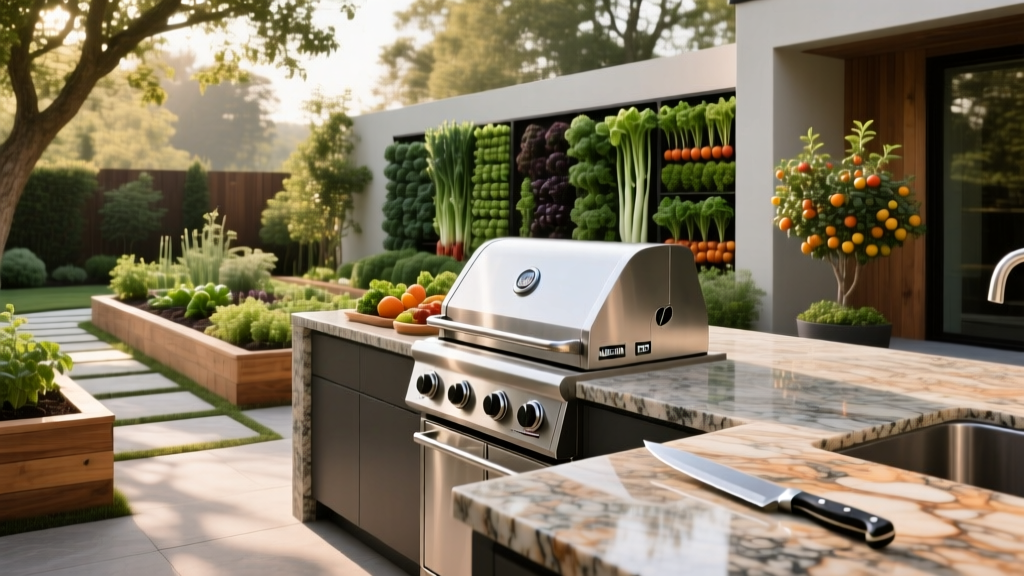
2026 Foodscaping: Weber Summit & Granite Outdoor Kitchen Design
Emily WatsonPublished
The Intersection of Hardscaping and Foodscaping in 2026
In 2026, the concept of the traditional backyard has completely evolved. Homeowners are no longer satisfied with purely ornamental lawns or hidden, utilitarian vegetable patches tucked away behind the garage. The modern landscape design paradigm is dominated by "foodscaping"—the seamless integration of edible plants, fruit-bearing shrubs, and culinary herbs into high-end outdoor living spaces. At the very heart of this movement is the outdoor kitchen, a functional hub where the harvest-to-plate workflow becomes a daily reality.
When designing an outdoor kitchen that serves as the anchor for an edible landscape, material selection and appliance choice are paramount. The combination of a built-in Weber Summit grill and custom-fabricated granite countertops represents the pinnacle of durability, culinary performance, and aesthetic elegance. This guide explores how to design, plant, and maintain a cohesive foodscaping environment centered around this premium hardscape setup.
The Hardscape Foundation: Selecting Granite for Outdoor Culinary Spaces
While engineered quartz and porcelain slabs have gained traction for indoor kitchens, natural granite remains the undisputed champion for outdoor culinary spaces in 2026. Granite is an igneous rock formed under immense heat and pressure, giving it unparalleled resistance to thermal shock. When you are pulling a 500-degree cast-iron Dutch oven off a grill and setting it directly on the counter, granite will not crack, scorch, or discolor.
Finish and Fabrication Considerations
For an outdoor kitchen surrounded by garden beds and irrigation systems, a high-gloss polished finish is not recommended. Polished granite becomes dangerously slippery when wet and can create intense glare under direct sunlight. Instead, specify a flamed or honed finish for your granite countertops. Flamed granite is treated with high heat to create a textured, slip-resistant surface that beautifully complements the natural stone veneers often used in landscape masonry.
To ensure longevity, 2026 best practices dictate the application of a penetrating, UV-stable fluoropolymer sealer annually. This prevents organic stains from spilled berry juices, tomato sauces, and garden soils from penetrating the stone's natural fissures.
The Culinary Engine: Integrating the Weber Summit
The Weber Summit series has long been the gold standard for serious outdoor cooks, and the 2026 built-in models are engineered specifically for seamless masonry integration. Unlike freestanding carts that degrade over time, a built-in Summit grill sits flush within your stone or stucco island, creating a unified architectural element.
Key Features for the Foodscaping Chef
- The Sear Station: Essential for locking in juices on freshly harvested vegetables like thick-cut portobello mushrooms or farm-to-table steaks.
- Integrated Rotisserie: Perfect for slow-roasting whole poultry while you tend to your garden beds.
- Smart-Temp Connectivity: The 2026 Weber Summit models feature advanced Bluetooth and Wi-Fi probes, allowing you to monitor internal meat temperatures from your smartphone while you are out in the yard harvesting herbs or turning compost.
Safety Clearance: When positioning the Weber Summit within your hardscape island, ensure a minimum of 18 inches of non-combustible clearance on either side of the grill lid. This is critical when your outdoor kitchen is flanked by edible trellises, climbing vines, or overhanging fruit trees.
Zoning the Edible Landscape Around the Kitchen
A successful foodscaping design treats the outdoor kitchen not as an isolated island, but as the sun around which the garden orbits. By dividing the surrounding landscape into microclimate zones, you can maximize both yield and convenience.
Zone 1: The High-Heat Herb Border
The area immediately surrounding the grill's exhaust and the sun-baked granite countertops creates a unique microclimate. This zone is ideal for Mediterranean, drought-tolerant herbs that thrive in intense heat and require excellent drainage. Plant woody perennials like rosemary, thyme, oregano, and sage in raised masonry planters built directly into the kitchen island's exterior walls. Having these herbs within arm's reach of the prep sink allows for instant seasoning during the cooking process.
Zone 2: The Shade-Tolerant Understory
The deep overhang of a granite countertop (typically extended to 15 or 18 inches for bar seating) creates a valuable shaded understory. In the sweltering heat of late summer, cool-weather crops tend to bolt and turn bitter. Utilize the shade cast by the kitchen structure and adjacent pergolas to grow Swiss chard, arugula, spinach, and leaf lettuces. These greens will appreciate the respite from the afternoon sun, extending your harvest window well into the late summer months.
Zone 3: Vertical Trellising for Privacy and Produce
Outdoor kitchens require a sense of enclosure and privacy. Instead of using sterile wooden fences or vinyl screens, utilize heavy-duty steel trellises to grow edible climbing vines. Kiwi, passionfruit, Malabar spinach, and pole beans can be trained up the privacy screens surrounding your cooking area. This provides a lush, green backdrop, natural shade, and a secondary harvest layer that softens the hard lines of the granite and stone masonry.
Sustainable Water Management and Greywater Integration
An outdoor kitchen equipped with a prep sink generates a significant amount of greywater. In 2026, sustainable landscaping practices heavily emphasize water conservation and reuse. By integrating a biodegradable soap dispenser and a dedicated greywater filtration system beneath the granite sink, you can route this nutrient-rich water directly into a subsurface drip irrigation network.
According to EPA WaterSense guidelines, optimizing outdoor water use is critical for sustainable home landscaping. Subsurface drip lines buried in the adjacent raised cedar beds will deliver the sink's greywater directly to the root zones of your tomatoes, peppers, and squash, minimizing evaporation and reducing your reliance on municipal water supplies. Always ensure that any cleaning products used in the outdoor sink are certified greywater-safe to protect your soil microbiome and the USDA recommended gardening practices for soil health.
2026 Cost Breakdown and ROI
Investing in a premium outdoor kitchen and edible landscape is a significant financial commitment, but it yields substantial returns in property value, lifestyle enhancement, and grocery savings. Below is an estimated cost breakdown for a mid-sized, high-end installation in 2026.
| Project Component | Specifications | Estimated 2026 Cost |
|---|---|---|
| Weber Summit Built-In Grill | 6-Burner with Sear Station & Rotisserie | $4,800 - $5,600 |
| Granite Countertops | Flamed Finish, Custom Cut & Edge Profile | $140 - $190 per sq. ft. |
| Masonry Base & Veneer | CMU Block Core with Natural Stone Veneer | $4,500 - $7,000 |
| Edible Raised Beds | Three 4x8 Cedar Beds with Custom Soil Blend | $1,200 - $1,800 |
| Greywater Drip System | Subsurface Routing & Filtration Kit | $600 - $950 |
| Perennial Edible Plants | Fruit Trees, Berry Shrubs, Herb Plugs | $500 - $1,200 |
Seasonal Maintenance for the Culinary Landscape
Maintaining the synergy between your hardscape and your foodscaping requires a seasonal rhythm. In the spring, focus on amending the soil in your raised beds with organic compost and pruning the woody herb borders to encourage fresh, tender growth. As summer peaks, monitor the granite countertops for any signs of water spotting and reapply sealer if water no longer beads on the surface.
As autumn approaches and the growing season winds down, properly winterize your Weber Summit grill. Shut off the gas supply, clean the grates and flavorizer bars, and use a premium, breathable grill cover to prevent moisture entrapment. Finally, mulch the base of your edible trellises and perennial shrubs with shredded bark to insulate the root systems against freezing temperatures, ensuring a vibrant, productive return the following spring.
Conclusion
The integration of a Weber Summit grill and granite countertops into an edible landscape represents the ultimate synthesis of luxury outdoor living and sustainable food production. By thoughtfully zoning your plantings, managing water resources responsibly, and selecting materials built to withstand the elements, you create a dynamic backyard environment that feeds both the body and the soul. In 2026, the garden is no longer just something you look at—it is something you live in, harvest from, and savor.

