
Landscaping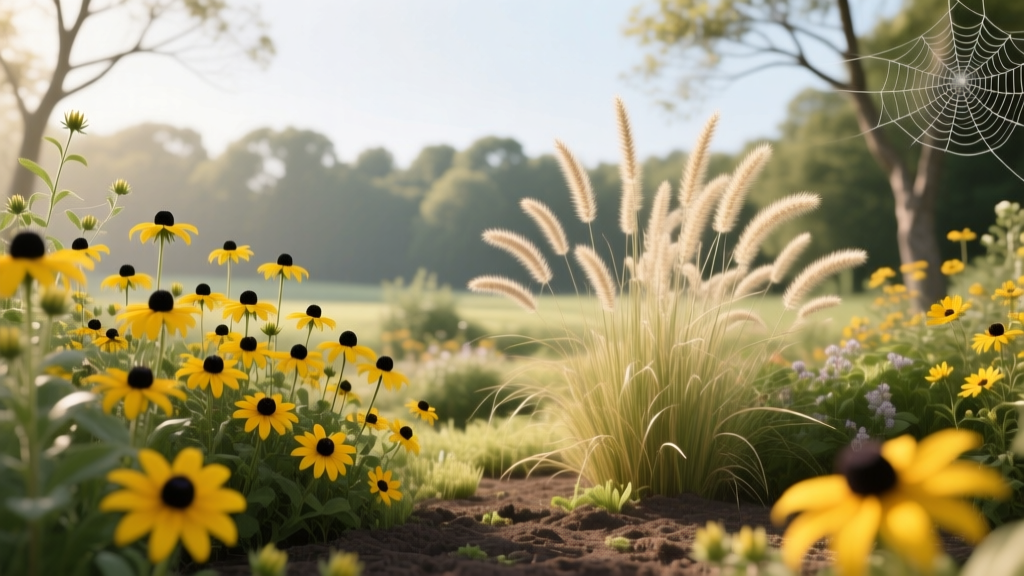
Natural Webworm Control: Black-Eyed Susan & Switchgrass 2026
Sarah ChenPublished
The Shift to Ecological Webworm Management in 2026
Tree webworms, particularly the notorious fall webworm (Hyphantria cunea), have long been the bane of homeowners with pecan, cherry, walnut, and persimmon trees. These caterpillars construct massive, unsightly silken tents at the tips of branches, defoliating sections of the canopy and causing significant aesthetic and structural stress to ornamental and fruit-bearing trees. Historically, the standard response was to drench the canopy with broad-spectrum chemical insecticides. However, in 2026, the landscaping and arboriculture industries have decisively pivoted away from these destructive practices. Chemical sprays not only fail to penetrate the dense silken webs effectively but also decimate the local populations of beneficial insects and pollinators that are vital to a thriving garden ecosystem.
Today, the gold standard for sustainable pest management is Conservation Biological Control. This ecological landscaping strategy involves intentionally designing your garden to attract, feed, and shelter the natural predators and parasites that keep pest populations in check. By integrating native plant landscaping with black-eyed Susan (Rudbeckia hirta) and switchgrass (Panicum virgatum), you can establish a powerful, self-sustaining biological perimeter around your vulnerable trees. This dynamic duo works synergistically to attract the exact species of parasitic wasps, tachinid flies, and insectivorous birds required to naturally collapse webworm colonies before they cause severe damage.
Black-Eyed Susan: Fueling the Parasitic Wasp Army
Black-eyed Susan (Rudbeckia hirta) is a cornerstone of native North American landscaping, celebrated for its vibrant golden-yellow petals and deep brown central cones. Beyond its obvious curb appeal, this hardy perennial serves a critical function in biological pest control. The central cone of the black-eyed Susan is actually a dense cluster of tiny, shallow florets. These florets produce highly accessible nectar and pollen that are perfectly suited for the short mouthparts of minute parasitic wasps (such as Trichogramma species) and tachinid flies.
According to the Lady Bird Johnson Wildflower Center, Rudbeckia hirta is a magnet for a vast array of beneficial insects. When you plant black-eyed Susans near webworm-infested trees, you provide the necessary carbohydrate fuel for adult parasitic wasps. These wasps are the natural enemies of the webworm; they actively seek out the caterpillars, landing on the silken tents to lay their eggs inside or on the webworm larvae. As the wasp larvae develop, they consume the webworm from the inside out, effectively neutralizing the pest. Without the consistent nectar supply provided by black-eyed Susans blooming from mid-summer through early fall, these beneficial wasp populations would struggle to survive and reproduce in your yard.
Switchgrass: Creating a Predator Sanctuary
While black-eyed Susan provides the food, switchgrass (Panicum virgatum) provides the shelter. Switchgrass is a robust, warm-season native bunchgrass that can reach heights of 3 to 6 feet, depending on the cultivar. Its dense, clumping growth habit and deep, fibrous root system make it an invaluable asset for soil stabilization and stormwater management, but its role in webworm control is equally impressive.
Fall webworms eventually drop to the ground to pupate in the soil and leaf litter beneath the host tree. This vulnerable pupal stage is heavily preyed upon by ground beetles, rove beetles, and hunting spiders. Switchgrass provides the perfect overwintering sanctuary and daytime hunting grounds for these terrestrial predators. The dense thatch and sturdy stems at the base of the switchgrass clump protect these beneficial arthropods from harsh weather and larger predators. Furthermore, switchgrass produces abundant seeds in the late fall and winter, which attract insectivorous birds like chickadees, nuthatches, and sparrows. These birds actively forage in the grass and the lower branches of nearby trees, picking off webworm pupae and late-season stragglers.
Designing Your Native Defense Perimeter
To maximize the ecological impact of these plants, strategic placement is crucial. You cannot simply scatter seeds randomly and expect targeted pest control. The goal is to create a "defense perimeter" just outside the drip line of your susceptible trees. The drip line is the outermost circumference of the tree's canopy, where rainwater naturally drips to the ground and where the majority of the tree's active feeder roots are located.
By planting a mixed border of black-eyed Susan and switchgrass along this drip line, you intercept the beneficial insects as they move between the ground and the tree canopy. The University of Minnesota Extension notes that fall webworms are most active in late summer and early autumn. Because black-eyed Susan peaks in bloom during this exact window, and switchgrass reaches its full structural height and seed production in late summer, the timing of their ecological benefits aligns perfectly with the webworm life cycle.
Ecological Interactions: Beneficials vs. Webworms
Understanding the specific interactions between your native plants, the beneficial insects they attract, and the webworm life stages they target is key to appreciating this landscaping strategy. The table below outlines the primary biological control agents supported by this plant pairing.
| Beneficial Organism | Supported By | Targeted Webworm Stage | Mechanism of Control |
|---|---|---|---|
| Parasitic Wasps (Trichogramma spp.) | Black-Eyed Susan Nectar | Eggs and Early Larvae | Inject eggs into webworm eggs/larvae; wasp offspring consume the pest. |
| Tachinid Flies | Black-Eyed Susan Pollen/Nectar | Mid-to-Late Larvae | Lay eggs on caterpillars; fly maggots burrow inside and consume the host. |
| Ground Beetles (Carabidae) | Switchgrass Base/Thatch | Pupae (Soil Level) | Nocturnal hunting; crush and consume pupating webworms in leaf litter. |
| Insectivorous Birds | Switchgrass Seeds/Cover | Larvae and Pupae | Forage in grass and lower canopy; physically remove and consume pests. |
Step-by-Step Planting Guide for 2026
Establishing this native perimeter requires proper soil preparation and planting techniques to ensure the plants thrive without competing with the tree's root system.
- Site Assessment and Soil Prep: Test the soil pH near the tree's drip line. Both black-eyed Susan and switchgrass prefer a slightly acidic to neutral pH (6.0 to 7.0). Avoid heavy tilling, which can damage the tree's shallow feeder roots. Instead, use a broadfork to gently aerate the soil and top-dress with a 1-inch layer of organic compost.
- Cultivar Selection: For black-eyed Susan, the cultivar 'Goldstrum' remains a top performer in 2026 due to its disease resistance and prolonged bloom time. For switchgrass, 'Heavy Metal' or 'Northwind' are excellent choices; they offer rigid, upright stems that do not flop over in heavy rains, providing better overwintering habitat for beetles.
- Spacing and Layout: Plant switchgrass clumps approximately 24 to 30 inches apart to allow for their mature spread. Interplant black-eyed Susans in drifts of 3 to 5 plants, spaced 12 to 18 inches apart, in the gaps between the grass clumps. This creates a layered, naturalistic look while maximizing floral density.
- Watering and Establishment: Water deeply twice a week for the first 8 weeks to encourage deep root growth. By the second year, both species are highly drought-tolerant and will require minimal supplemental irrigation, relying primarily on natural rainfall.
Crucial Maintenance Rules for Ecological Landscaping
The success of this natural webworm control strategy hinges entirely on your maintenance habits. The most critical rule for 2026 and beyond is the absolute prohibition of broad-spectrum insecticides, including neonicotinoids and pyrethroids, in the vicinity of your native perimeter. Applying these chemicals will instantly kill the parasitic wasps and ground beetles you are trying to cultivate, rendering your ecological landscaping useless and potentially causing a secondary pest outbreak.
Furthermore, you must rethink your fall cleanup routines. The USDA Natural Resources Conservation Service strongly advises leaving native grasses standing through the winter. Do not cut back your switchgrass or deadhead your black-eyed Susans in the autumn. The hollow stems of the switchgrass and the dried seed heads of the Susan provide essential overwintering habitat for beneficial insects and crucial food sources for wintering birds. Wait until early spring, when daytime temperatures consistently reach 50°F (10°C), to cut back the dead foliage. This ensures that the overwintering predators have emerged and are ready to patrol the soil just as the new generation of webworms begins to hatch.
Conclusion
Landscaping is no longer just about aesthetics; it is about cultivating a functional, living ecosystem. By integrating black-eyed Susan and switchgrass into your yard's design, you are doing much more than adding vibrant colors and textured grasses to your property. You are actively engineering a biological defense system that targets tree webworms at multiple stages of their life cycle. This sustainable, ecologically sound approach not only protects your valuable shade and fruit trees but also promotes biodiversity, reduces chemical runoff, and creates a healthier outdoor environment for your family to enjoy for years to come.

