
Landscaping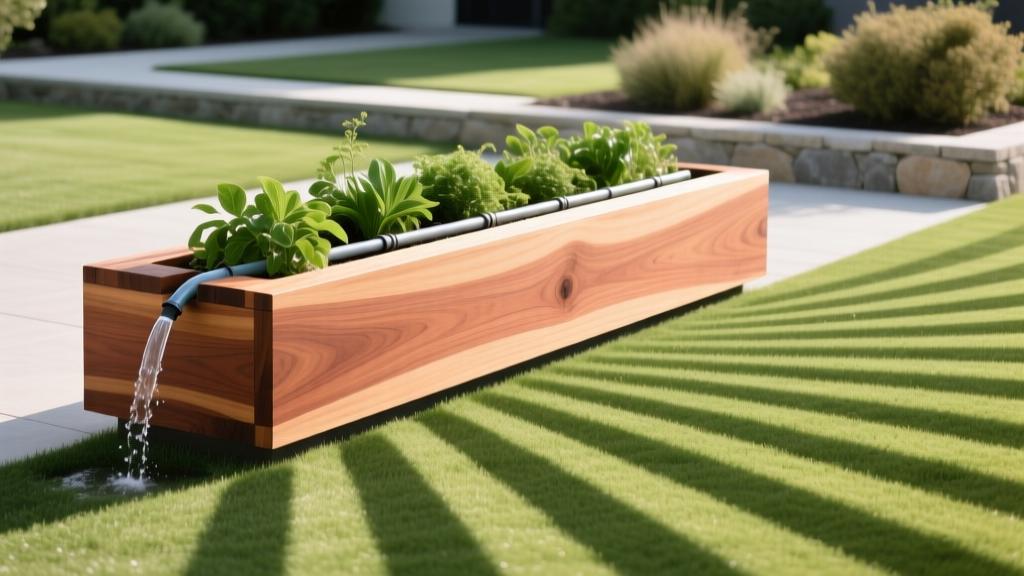
2026 Guide: Cedar Raised Planters & Drip Irrigation for Striped Lawns
Sarah ChenPublished
The Intersection of Lawn Striping and Hardscape Geometry
When we think of lawn striping and aesthetic turf patterns, the mind immediately goes to the meticulous bending of grass blades, the roller attachments on zero-turn mowers, and the striking visual contrast of light and dark green bands. However, a truly masterful landscape design in 2026 recognizes that the turf is only the canvas. To elevate a striped lawn from a simple sporting-field aesthetic to a high-end architectural landscape, you must introduce geometric anchors. This is where the integration of raised planter boxes crafted from Western Red Cedar, paired with invisible drip irrigation, becomes a game-changer for curb appeal and turf health.
Lawn striping relies on the pristine, dry reflection of sunlight off bent grass blades. Overhead sprinkler systems often disrupt this aesthetic by leaving water droplets that mat the grass, create uneven fungal growth, and introduce physical sprinkler heads that break the visual continuity of your diamond or checkerboard patterns. By transitioning your focal garden beds to cedar raised planters equipped with subsurface drip irrigation, you protect the crisp lines of your turf while introducing warm, natural timber tones that perfectly complement the vivid greens of a freshly mowed lawn.
Designing Cedar Planters to Complement Aesthetic Turf Patterns
The placement and shape of your cedar planters should directly interact with the mowing patterns you intend to maintain throughout the 2026 growing season. Here is how to match hardscape geometry with turf aesthetics:
The Checkerboard Pattern and Square Planters
A checkerboard lawn pattern is created by mowing perpendicular stripes and then re-mowing alternating squares. To anchor this design, place 4x4-foot square cedar raised planters at the primary vertices or corners of the lawn. The sharp 90-degree angles of the cedar boxes will mirror the geometric precision of the turf pattern, creating a cohesive, structured look that draws the eye across the yard.
Concentric Circles and Octagonal Beds
For lawns featuring concentric circle stripes or spiral patterns, rigid square planters can feel out of place. Instead, construct octagonal cedar planters or use flexible cedar bender board to create curved raised beds. These shapes soften the hardscape while providing a central focal point from which the circular turf stripes can radiate outward.
Diamond Stripes and Elongated Rectangles
Diamond striping requires mowing at 45-degree angles. Elongated rectangular cedar planters (e.g., 2x8 feet) placed parallel to the property lines act as visual borders. When the diamond stripes hit the base of the cedar wood, the contrast between the dynamic angles of the grass and the linear stability of the planter creates a striking, modern aesthetic.
Why Western Red Cedar is the 2026 Timber of Choice
While composite materials and corrugated metal have seen trends come and go, Western Red Cedar remains the undisputed champion for raised garden beds in premium landscapes. According to The Wood Database, Western Red Cedar contains natural oils (thujaplicins) that act as powerful fungicides and insect repellents, allowing the wood to resist rot and decay for decades without the need for chemical treatments that could leach into your soil or harm your turfgrass roots.
In 2026, the visual appeal of cedar is more relevant than ever. As it weathers, cedar transitions from a warm, honey-blonde hue to a distinguished, silvery-gray patina. This neutral, earthy tone provides the perfect visual backdrop for both vibrant flowering annuals and the deep, dark green stripes of a well-fertilized Kentucky Bluegrass or Tall Fescue lawn. Furthermore, cedar's natural insulating properties keep the soil temperatures stable, protecting beneficial microbes and plant roots from extreme summer heat waves.
Building the Cedar Raised Planter: Step-by-Step
To ensure your planters stand up to the elements and the occasional bump from a commercial zero-turn mower, follow these construction guidelines:
- Materials: Use 2x8 or 2x12 inch Western Red Cedar boards. Avoid ground-contact treated lumber, as the copper-based preservatives can harm surrounding turf if soil spills over.
- Fasteners: Use 3-inch exterior-grade stainless steel or polymer-coated structural screws. Standard galvanized screws will react with the natural tannins in cedar, causing unsightly black streaks that ruin the clean aesthetic.
- Corner Bracing: Install 4x4 cedar corner posts on the inside of the box, cut flush with the top rail. This provides a robust nailing surface and adds a heavy, architectural cap that mirrors the solidity of stone hardscaping.
- Base Preparation: Do not place the cedar box directly on top of your striped lawn. Excavate the turf inside the footprint, lay down a heavy-duty woven geotextile weed barrier, and backfill with a premium raised-bed soil mix. This prevents aggressive turfgrass rhizomes from invading the planter while allowing for proper drainage.
Integrating Drip Irrigation to Preserve Turf Aesthetics
The most critical element of pairing raised beds with a striped lawn is moisture management. The EPA WaterSense program consistently highlights drip irrigation as a premier method for reducing outdoor water waste, but for the landscaping aesthetician, its primary benefit is surface preservation. Overhead watering promotes fungal diseases like dollar spot and brown patch, which manifest as irregular brown circles that completely destroy the optical illusion of lawn striping.
Routing the Lines Invisibly
To maintain the pristine look of your lawn, the irrigation supply line must be hidden. Trench a shallow 4-inch channel from your main irrigation valve to the base of the cedar planter. Run a 1/2-inch polyethylene mainline under the soil, bringing it up through a discreet hole drilled in the back corner of the cedar box. Seal the entry point with a rubber grommet to prevent water from weeping out and staining the exterior cedar wood.
Subsurface Dripline Configuration
Inside the planter, utilize inline drip tubing (such as Netafim Techline CV) with built-in pressure-compensating emitters spaced 12 inches apart. Lay the tubing in a grid pattern and secure it with landscape staples. Cover the drip lines with 2 to 3 inches of dark hardwood mulch. The dark mulch not only retains moisture but also provides a high-contrast border that makes the bright green stripes of the adjacent lawn pop visually.
Material Comparison for Striped Landscape Anchors
Choosing the right planter material is vital for maintaining the visual integrity of your lawn patterns. Below is a 2026 comparison of popular raised bed materials and how they interact with striped turf aesthetics.
| Material | Aesthetic Synergy with Striped Lawns | Durability & Maintenance | Estimated Cost (per 4x8 bed) |
|---|---|---|---|
| Western Red Cedar | Excellent. Warm tones contrast beautifully with cool turf greens; sharp angles enhance geometric patterns. | High. Natural rot resistance; weathers to silver-gray. Requires no sealing. | $250 - $350 |
| Composite Timber | Good. Uniform color, but lacks the natural texture that complements organic grass patterns. | Very High. No rotting or splintering, but can warp in high heat and retains thermal energy. | $400 - $600 |
| Corrugated Metal | Fair. Industrial look can clash with traditional, manicured turf patterns unless used in ultra-modern designs. | Moderate. Prone to rusting at seams; edges can be sharp and damage mower tires or turf edges. | $150 - $250 |
| Poured Concrete | Excellent. Provides a permanent, architectural border that matches the precision of diamond or checkerboard stripes. | Very High. Permanent installation; can alter soil pH over time if not sealed. | $800 - $1,200+ |
Smart Irrigation Tech and 2026 Maintenance Protocols
To fully automate the health of your cedar planters without risking the health of your striped turf, integrate a smart irrigation controller. Devices like the Rachio 4 or Hunter Hydrawise utilize hyper-local weather forecasting and soil moisture sensors to deliver water exclusively to the drip zones. By isolating the raised beds on their own dedicated irrigation zone, you ensure that the lawn receives only the precise amount of water it needs to maintain turgor pressure (essential for holding the bent grass blades upright for striping), while the planters receive the deep, slow soaking that cedar-bound root systems require.
According to the University of Minnesota Extension, raised beds drain significantly faster than in-ground garden plots. Therefore, programming your smart controller for frequent, short-duration drip cycles (e.g., 15 minutes every other morning) is vastly superior to infrequent, deep soakings that might cause water to spill over the cedar edges and create muddy, unsightly runoff onto your carefully striped grass.
Conclusion: The Complete Aesthetic Package
Mastering lawn striping is about more than just the mower; it is about curating the entire visual environment. By installing Western Red Cedar raised planters and equipping them with precision drip irrigation, you create a landscape that is as functional as it is breathtaking. The cedar provides the structural geometry needed to anchor complex turf patterns, while the drip system ensures the lawn remains dry, disease-free, and perfectly reflective. As you plan your outdoor upgrades for 2026, remember that the most stunning striped lawns are those framed by intelligent, beautiful, and sustainable hardscaping.

