Tree Care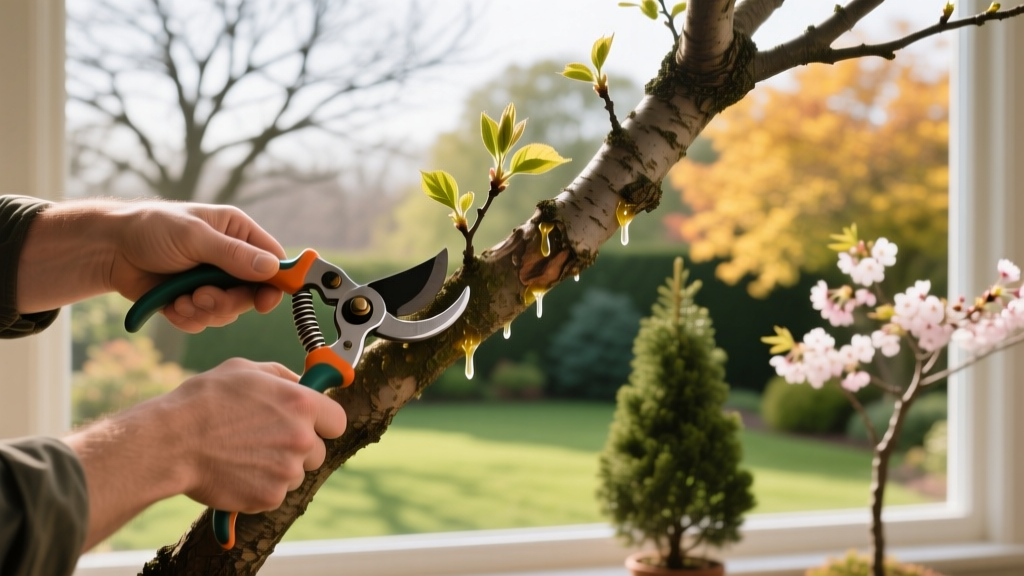
When to Prune Trees: The Ultimate Seasonal Timing Guide
James MillerPublished
Pruning is one of the most critical maintenance practices for maintaining the health, structure, and aesthetic appeal of your landscape trees. However, knowing how to prune is only half the battle; knowing when to prune is equally important. Incorrect timing can lead to excessive stress, increased vulnerability to pests and diseases, and even the death of the tree. This comprehensive when-to timing guide will break down the optimal pruning schedules for various tree types, ensuring your landscape thrives year after year.
The Golden Rule: Late Winter Dormant Pruning
For the vast majority of deciduous trees, the absolute best time to prune is during the late winter dormant season, typically between late February and early March, just before the spring sap begins to flow and buds break. According to experts at the University of Minnesota Extension, pruning during dormancy offers several distinct advantages that promote long-term tree health.
First, without leaves obscuring the branches, the tree's architectural structure is fully visible. This allows arborists and homeowners to easily identify crossing branches, weak crotches, deadwood, and structural defects that need correction. Second, because the tree is dormant, it is not actively expending energy on foliage. The energy reserves stored in the root system are preserved and will be directed toward vigorous, healthy wound healing and new growth once spring arrives. Finally, the cold winter temperatures mean that the insects and fungal pathogens responsible for spreading devastating tree diseases are inactive, drastically reducing the risk of infection through fresh pruning wounds.
Why You Must Avoid Fall Pruning
A common misconception among novice gardeners is that fall—after the leaves have dropped—is an ideal time for major pruning. In reality, fall is the worst time to prune most trees. As Colorado State University Extension notes, fall pruning leaves trees highly vulnerable. Fungal spores are exceptionally abundant in the autumn air, and the decay-causing organisms that infect trees through open wounds are actively spreading. Furthermore, trees heal much slower in the fall because their metabolic processes are slowing down for winter dormancy. A pruning cut made in October may remain open and susceptible to rot for many months. Additionally, pruning in early fall can stimulate late-season new growth that will not have time to harden off before the first freeze, resulting in severe dieback and winter injury.
Spring and Summer Pruning: Exceptions and Corrections
While late winter is the baseline, spring and summer pruning have their place when executed with specific goals in mind. Spring pruning should generally be limited to the removal of dead, damaged, or diseased wood (the 'Three Ds'). If you must prune for shape or size reduction in the spring, wait until the first flush of growth has finished and the leaves have fully expanded and matured.
Summer pruning is primarily utilized for growth control and directional training. Because a tree's energy is heavily invested in its canopy during the summer, removing branches at this time reduces the tree's overall photosynthetic capacity, which effectively stunts or slows down vigorous, unwanted growth. Summer is also the mandatory time to address storm damage; broken or hanging limbs must be removed immediately to prevent safety hazards and further tearing of the bark, regardless of the season.
Optimal Pruning Timing by Tree Category
Different tree species have evolved unique growth cycles, meaning a one-size-fits-all approach does not work. Refer to the table below to determine the precise timing for the trees in your landscape.
| Tree Category | Best Time to Prune | Primary Goal / Reason | Notable Exceptions |
|---|---|---|---|
| Deciduous Shade Trees (Maples, Ash, Birch) | Late Winter (Feb - Early March) | Structural training, wound healing, disease avoidance. | Maples and Birches 'bleed' sap if pruned in late winter; wait until mid-summer after leaves mature if sap loss is a concern, though it is mostly cosmetic. |
| Spring-Flowering Trees (Dogwood, Lilac, Forsythia) | Late Spring (Immediately after blooming) | Preserve flower buds for the following year, which are set in the previous summer. | Major structural pruning can still be done in late winter, but you will sacrifice that year's spring bloom. |
| Summer-Flowering Trees (Crape Myrtle, Rose of Sharon) | Late Winter / Early Spring | Encourage vigorous new growth, which produces the current year's blooms. | Remove spent seed heads in late fall if desired for winter tidiness. |
| Evergreens (Pines, Spruces, Junipers) | Early Spring to Early Summer | Candle pinching (Pines) or shaping before the new growth hardens off. | Deadwood removal can be done at any time of year. |
| Fruit Trees (Apple, Pear, Peach, Cherry) | Deep Winter (Jan - Feb) | Maximize fruit production, open canopy for sunlight penetration and air circulation. | Summer pruning to control water sprouts and improve fruit color. |
Critical Disease-Specific Timing Constraints
Timing is not just about growth; it is a vital biosecurity measure. Certain tree species are highly susceptible to fatal pathogens transmitted by insects attracted to fresh pruning wounds.
Oak Wilt
Oak wilt is a devastating fungal disease spread by sap-feeding nitidulid beetles. These beetles are highly active from April through July (and sometimes into August, depending on your local climate). You must never prune oak trees during this high-risk window. If an oak tree suffers storm damage during the spring and summer, any pruning cuts larger than a thumb must be immediately sealed with a commercial tree wound paint or latex-based paint to mask the scent of the sap and deter beetles. According to Penn State Extension, preventing the introduction of the fungus is the only reliable management strategy, as curing an infected oak is nearly impossible.
Dutch Elm Disease (DED)
Similar to oak wilt, DED is spread by elm bark beetles. Elm trees should only be pruned during the dormant winter months when the beetles are inactive. Always sterilize your pruning tools between cuts when working on elms to prevent mechanical transmission of the fungus.
Fire Blight
Fire blight affects trees in the Rosaceae family, including apples, pears, crabapples, and hawthorns. The bacteria ooze from cankers during warm, wet spring weather. Pruning should be done in the winter. If you must prune out active fire blight strikes in the summer, make cuts at least 12 inches below the visible margin of the infection, and dip your pruning shears in a 70% isopropyl alcohol solution between every single cut to avoid spreading the bacteria through the canopy.
Proper Technique and Tool Maintenance
Even with perfect timing, poor technique will ruin a tree's health. Always use sharp, high-quality bypass pruners for live wood (anvil pruners crush live tissue, inviting decay). For branches larger than 2 inches in diameter, utilize the three-cut method to prevent the heavy limb from tearing the bark down the trunk as it falls.
- The Undercut: Make a shallow cut on the underside of the branch, about 6 inches from the trunk. This stops the bark from tearing.
- The Top Cut: Move an inch or two further out on the branch and cut completely through from the top. The branch will snap off cleanly.
- The Final Collar Cut: Locate the branch collar (the swollen area where the branch meets the trunk) and make a clean, angled cut just outside the collar. Never cut flush against the trunk, as this removes the tree's natural chemical defense zone and prevents proper compartmentalization.
Finally, never apply heavy tar-based wound dressings to standard pruning cuts. Research has consistently shown that these sealants trap moisture against the wood, accelerating decay and interfering with the tree's natural callus formation. Let the tree breathe and heal itself using its own biological processes.
Conclusion
Mastering the timing of tree pruning transforms a risky chore into a powerful tool for landscape management. By aligning your pruning schedule with the natural dormancy cycles, flowering habits, and disease vectors specific to your tree species, you ensure robust growth, stunning blooms, and a structurally sound canopy. Keep your tools sharp, your timing precise, and your trees will reward you with decades of shade and beauty.
