Pest Control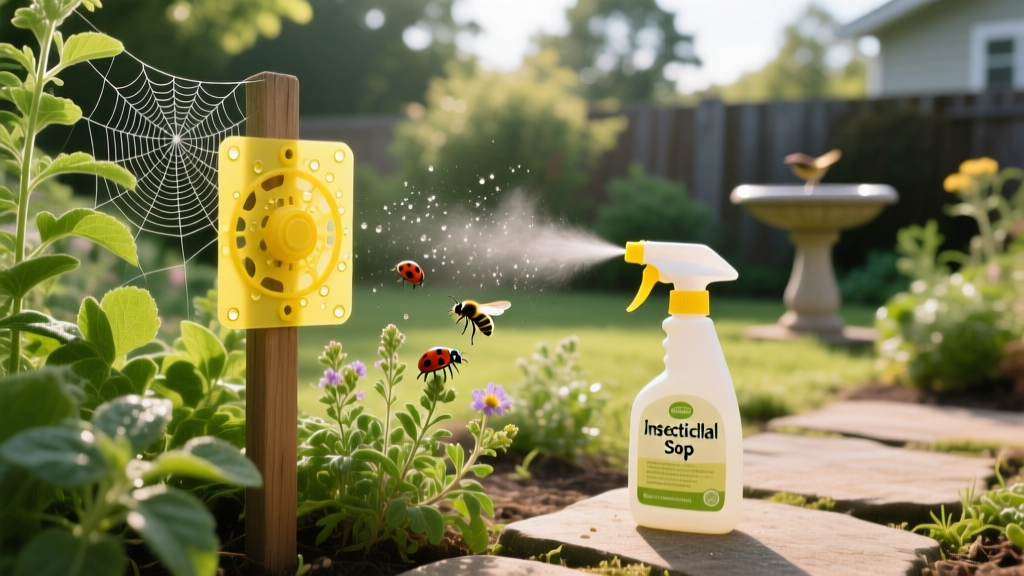
2026 Guide To Whitefly Sticky Traps & Insecticidal Soap
Robert HayesPublished
The Wildlife-Friendly Approach to Whitefly Management in 2026
As we navigate the 2026 gardening season, homeowners and landscape managers are increasingly recognizing that effective pest control must coexist with local wildlife conservation. Whiteflies (Aleyrodidae) remain one of the most pervasive and damaging sap-sucking insects in ornamental gardens and vegetable patches. However, the historical reliance on broad-spectrum synthetic pesticides has devastated local food webs, poisoning the insectivorous birds, amphibians, and beneficial arthropods that naturally keep pest populations in check. Today, integrated pest management (IPM) offers a superior, ecologically sound alternative. By combining yellow sticky trap monitoring with targeted insecticidal soap sprays, you can effectively manage whitefly outbreaks while preserving the delicate balance of your yard's wildlife ecosystem.
The Ecological Impact of Whiteflies
Whiteflies, particularly the silverleaf whitefly (Bemisia tabaci) and the greenhouse whitefly (Trialeurodes vaporariorum), weaken plants by extracting vital phloem sap. This feeding activity causes leaf yellowing, stunting, and premature defoliation. Furthermore, whiteflies excrete a sugary waste product known as honeydew, which rapidly becomes a breeding ground for black sooty mold. This mold blocks sunlight, severely reducing the plant's ability to photosynthesize.
From a wildlife management perspective, a garden overrun by whiteflies and coated in sooty mold becomes an inhospitable environment. Pollinators avoid the area, and the lack of healthy plant growth reduces the habitat quality for small yard animals like tree frogs and ground-foraging birds. However, the cure should not be worse than the disease. Systemic neonicotinoids and contact pyrethroids, once the standard for whitefly control, are now heavily restricted or avoided by eco-conscious gardeners in 2026 due to their documented toxicity to avian species and aquatic life. Instead, we turn to mechanical monitoring and bio-rational sprays.
Yellow Sticky Traps: Monitoring vs. Mass Trapping
A common misconception among novice gardeners is that yellow sticky traps can be used to 'mass trap' and eliminate a whitefly population. While these traps do catch adult whiteflies, they cannot capture enough of them to halt a severe infestation. More importantly, leaving dozens of sticky traps exposed in your garden poses a significant risk to local wildlife. Small beneficial insects, such as parasitic wasps (Encarsia formosa) and lady beetles, as well as small amphibians like green tree frogs, can become fatally stuck to the adhesive surfaces.
In 2026, the gold standard for using sticky traps is strictly for population monitoring. By deploying a minimal number of traps, you can track whitefly migration patterns and determine the exact moment an intervention is necessary, thereby preventing unnecessary pesticide applications.
Best Practices for Wildlife-Safe Trap Monitoring
- Density: Deploy only 1 to 4 yellow sticky cards per 1,000 square feet of garden space.
- Placement: Hang traps just above the plant canopy (about 2 to 4 inches above the highest leaves). Avoid placing them near bird feeders, birdbaths, or low shrubs where ground-foraging birds like Carolina wrens or sparrows might brush against them.
- Wildlife Guards: If you live in an area with high populations of small tree frogs or beneficial praying mantises, enclose your sticky cards in a small wire mesh cage. The mesh should be large enough to allow whiteflies to enter but small enough to exclude vertebrates and larger beneficial predators.
- Inspection: Check traps twice a week. Use a hand lens to count the adults. If you spot more than 5 to 10 whiteflies per trap consistently over a week, it is time to initiate your insecticidal soap spray protocol.
2026 Whitefly Monitoring Thresholds
| Garden Zone | Trap Count Threshold | Recommended Action |
|---|---|---|
| Vegetable Beds (Tomatoes, Peppers) | 3-5 adults per trap/week | Initiate insecticidal soap spray immediately to protect crop yield. |
| Ornamental Shrubs (Hibiscus, Poinsettia) | 5-10 adults per trap/week | Monitor closely; spray if honeydew or sooty mold becomes visible. |
| Perimeter / Wildflower Zones | 10+ adults per trap/week | Tolerate low levels; allow natural predators to manage the population. |
Insecticidal Soap: The Wildlife-Safe Knockdown
When sticky trap monitoring indicates that whitefly populations have crossed the economic or aesthetic threshold, insecticidal soap is the premier treatment choice for wildlife-friendly gardens. According to the National Pesticide Information Center (NPIC), insecticidal soaps are formulated from potassium salts of fatty acids. These compounds work on contact by penetrating the soft outer cuticle of the whitefly, causing rapid cellular leakage and dehydration.
Crucially, insecticidal soap has virtually no residual toxicity. Once the spray dries (usually within a few hours), it ceases to be toxic to insects. This means that beneficial wildlife—such as honeybees, butterflies, and insect-eating birds—can safely visit the treated plants later in the day without risk of secondary poisoning. Furthermore, the Environmental Protection Agency (EPA) classifies these fatty acid salts as biopesticides, noting their rapid breakdown in the soil and minimal risk to aquatic ecosystems, making them ideal for yards with koi ponds or natural vernal pools.
Step-by-Step Application Guide for 2026
To maximize efficacy while protecting your yard's animal inhabitants, follow these precise application steps:
- Timing is Everything: Apply insecticidal soap in the early morning (just after dawn) or late evening. Whiteflies are less active and tend to rest on the undersides of leaves during these cooler hours. More importantly, spraying at dawn or dusk ensures that foraging pollinators like bees and hummingbirds are not actively visiting the flowers.
- Thorough Coverage: Insecticidal soap only works on contact. You must spray the undersides of the leaves where whitefly eggs, nymphs (crawlers), and pupae reside. Use a pressurized pump sprayer with an adjustable nozzle to reach the lower canopy.
- Repeat Applications: Because soap has no residual effect and does not reliably kill whitefly eggs, you must reapply every 5 to 7 days for at least three cycles to break the reproductive life cycle.
- Temperature Warnings: Do not apply soap sprays when ambient temperatures exceed 85°F (29°C) or when plants are drought-stressed. High heat combined with fatty acids can cause severe phytotoxicity (leaf burn), damaging the very plants you are trying to protect.
Protecting Local Wildlife and Beneficial Insects
A core tenet of Wildlife & Yard Animal Management is fostering a resilient food web. By using sticky traps for monitoring and insecticidal soap for targeted knockdowns, you preserve the natural enemies of the whitefly. Parasitic wasps, lacewings, and lady beetles are highly effective at keeping whitefly populations in check over the long term. Broad-spectrum chemicals wipe out these beneficial predators, leading to devastating 'pest rebounds' where whitefly populations return exponentially worse than before.
Furthermore, avoiding persistent chemical pesticides protects the vertebrate wildlife in your yard. Insectivorous birds, such as swallows, bluebirds, and wrens, consume thousands of insects daily. If those insects are laced with systemic neurotoxins, the birds suffer from lethal or sub-lethal poisoning. Similarly, amphibians like toads and salamanders, which breathe and absorb moisture through their highly permeable skin, are exceptionally vulnerable to chemical runoff in the soil. Insecticidal soaps degrade rapidly into harmless fatty acids and potassium, posing no threat to these vital garden residents.
2026 Product Recommendations & Costs
When selecting products for your 2026 IPM strategy, opt for high-quality, purpose-built materials rather than improvised home remedies (like dish soap, which often contains harsh degreasers and synthetic fragrances that strip the protective waxy cuticle off your plants).
- Monitoring Traps: Look for rigid, weather-resistant yellow sticky cards like the Sentry Traps or Olson Products Yellow Sticky Traps. These feature a non-drying adhesive that withstands summer humidity. Expect to pay around $12 to $18 for a pack of 20 traps.
- Insecticidal Soaps: Leading 2026 formulations include Natria Insecticidal Soap and Safer Brand Insect Killing Soap. These are OMRI-listed for organic use and specifically balanced to prevent plant burn. A 32-ounce ready-to-use spray bottle typically costs between $8 and $12, while a 16-ounce concentrate (which yields up to 6 gallons of spray) retails for about $15 to $20.
Conclusion
Managing whiteflies in 2026 does not require sacrificing the health of your local ecosystem. By utilizing yellow sticky traps strictly as a monitoring tool, you can make data-driven decisions about when to intervene. When action is required, insecticidal soap provides a rapid, highly effective knockdown that respects the safety of birds, amphibians, and beneficial insects. As detailed by the University of California Integrated Pest Management (UC IPM) program, this combination of mechanical monitoring and bio-rational sprays represents the pinnacle of modern, sustainable pest control. Embrace these wildlife-friendly strategies, and your garden will thrive as a vibrant, balanced sanctuary for both your plants and the animals that call it home.