Pest Control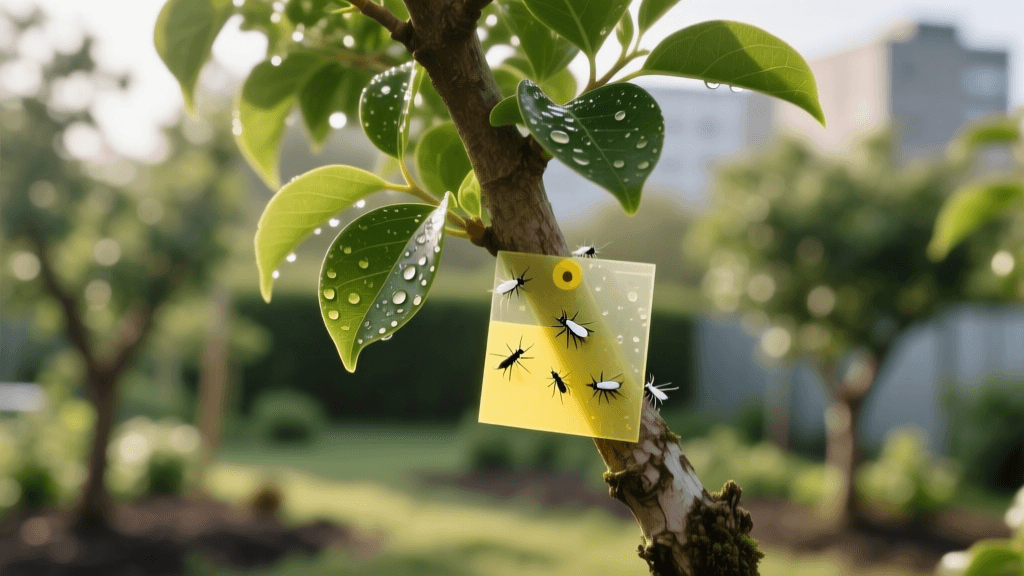
2026 Tree Planting Guide: Whitefly Traps And Soap Spray
The Intersection of Tree Selection and Whitefly Vulnerability in 2026
As we navigate the 2026 planting season, urban foresters and home gardeners alike are facing extended pest seasons due to shifting climate patterns. Among the most pervasive and damaging pests to newly established landscapes are whiteflies, specifically the Silverleaf Whitefly (Bemisia tabaci) and the Giant Whitefly (Aleurodicus dugesii). These sap-sucking insects not only weaken trees by extracting vital phloem nutrients but also excrete honeydew, which rapidly leads to the growth of unsightly and photosynthesis-blocking sooty mold.
Effective pest control begins long before the first insect appears; it starts with intelligent tree selection and proper planting techniques. When trees are stressed from poor site selection or improper planting, they emit specific volatile organic compounds (VOCs) that act as a beacon to whiteflies. By combining proactive horticultural practices with a rigorous Integrated Pest Management (IPM) strategy—specifically utilizing yellow sticky trap monitoring and targeted insecticidal soap sprays—you can establish a thriving, resilient landscape.
Selecting and Siting Trees to Minimize Whitefly Impact
Not all trees are created equal when it comes to whitefly susceptibility. If you are planting in an area with a known history of whitefly pressure, your first line of defense is choosing species that are naturally less attractive to these pests.
Highly Susceptible Trees to Monitor Closely
- Citrus Trees: Oranges, lemons, and limes are prime targets, especially when planted in full sun with reflective hardscaping that increases heat stress.
- Crape Myrtle: A landscape staple that frequently suffers from heavy whitefly and aphid pressure in late summer.
- Ficus Species: Particularly the weeping fig and hedge varieties, which can suffer severe defoliation from the spiraling whitefly.
- Mulberry and Persimmon: Fruit-bearing trees that offer broad, succulent leaves ideal for whitefly colonization.
More Resistant Alternatives
Consider integrating native oaks, pines, maples, and magnolias into your 2026 landscape design. These species possess thicker leaf cuticles and different chemical profiles that make them far less hospitable to whitefly colonization. According to the Texas A&M AgriLife Extension, selecting adapted, region-appropriate species is the foundational step in reducing the need for chemical interventions later in the season.
Planting Techniques to Reduce Stress-Induced Pest Attraction
A newly planted tree is inherently stressed. To prevent whiteflies from exploiting this vulnerability, you must focus on rapid root establishment and canopy health.
- Proper Planting Depth: Never bury the root flare. Planting too deep restricts oxygen to the root zone, causing chronic stress that attracts sap-sucking insects.
- Mulching for Moisture Retention: Apply a 2-to-3-inch layer of organic wood chip mulch in a wide ring around the tree, keeping it a few inches away from the trunk. This regulates soil temperature and retains moisture without encouraging collar rot.
- Avoid High-Nitrogen Fertilizers: In 2026, the latest soil science strongly advises against using synthetic, high-nitrogen fertilizers on newly planted trees. Excess nitrogen forces rapid, succulent, dark-green vegetative growth. Whiteflies are highly attracted to this specific type of new growth because it is easier to pierce and richer in amino acids.
Yellow Sticky Trap Monitoring: Your Early Warning System
You cannot manage what you do not measure. Whiteflies are tiny, moth-like insects that often go unnoticed until populations explode and sooty mold appears. Yellow sticky traps exploit the pest's natural phototaxis (attraction to specific light wavelengths). The color yellow mimics the visual signature of young, nutrient-rich foliage.
Deployment Strategy
For standard-sized landscape trees, hang one 3x5-inch yellow sticky card in the lower-to-middle canopy on the south-facing side of the tree, where whitefly activity is typically highest due to warmth. For larger orchards or dense hedges, deploy 1 to 2 traps per 1,000 square feet. Check the traps weekly during the spring and early summer months.
Sticky Trap Action Thresholds
| Trap Count (Weekly) | Infestation Level | Recommended Action |
|---|---|---|
| 0 - 5 Adults | Low / Baseline | Continue monitoring. No treatment required. Encourage natural predators like ladybugs. |
| 6 - 15 Adults | Moderate | Inspect the undersides of leaves for eggs and nymphs. Prepare insecticidal soap. |
| 16 - 30 Adults | High | Initiate insecticidal soap spray protocol immediately. Focus on new growth. |
| 30+ Adults | Severe | Apply soap spray. Prune heavily infested terminal branches. Consider releasing parasitic wasps. |
By utilizing traps, you avoid calendar-based spraying, which is both economically wasteful and ecologically damaging. The University of California IPM Program heavily emphasizes that monitoring with sticky cards is essential for timing treatments effectively, ensuring you only spray when populations cross the economic or aesthetic injury threshold.
Insecticidal Soap Sprays: Formulation, Application, and Timing
When sticky trap monitoring indicates that whitefly populations have reached the 'High' threshold, insecticidal soap is the premier IPM treatment. Unlike systemic neonicotinoids, which can harm pollinators and persist in the environment, insecticidal soaps are composed of potassium salts of fatty acids. They work strictly on contact by penetrating and dissolving the waxy outer cuticle of soft-bodied insects like whitefly nymphs and adults, causing rapid desiccation and death.
Top 2026 Insecticidal Soap Products
- Safer Brand Insect Killing Soap (32 oz RTU): Priced around $14 in 2026, this OMRI-listed formula is ideal for small ornamental trees and citrus. It breaks down rapidly in the environment, leaving no toxic residue.
- Bonide Insecticidal Soap Concentrate (16 oz): Costing approximately $18, this concentrate yields up to 6 gallons of spray, making it highly economical for large properties or multiple tree plantings.
- Garden Safe Insecticidal Soap: A widely available, budget-friendly option that performs well against the crawler stage of the whitefly life cycle.
Application Best Practices
The effectiveness of insecticidal soap relies entirely on direct contact. Whiteflies spend the majority of their life cycle on the undersides of leaves. If you only spray the top of the canopy, you will fail to control the infestation.
- Mixing: If using a concentrate, mix at a 1% to 2% solution (typically 2.5 to 5 tablespoons per gallon of water). Always use soft or distilled water if your local tap water is 'hard' (high in calcium and magnesium), as hard water causes the fatty acids to precipitate out of the solution, rendering the soap ineffective.
- Timing: Spray early in the morning or late in the evening. Spraying during the heat of the day can cause phytotoxicity (leaf burn) and causes the water to evaporate before the soap can penetrate the insect's cuticle.
- Coverage: Use a pump sprayer with an adjustable nozzle that allows you to spray upward into the canopy. Thoroughly coat the undersides of the leaves until the solution begins to drip.
- Frequency: Because soap has no residual effect, you must reapply every 5 to 7 days for three consecutive weeks to break the reproductive cycle and catch newly hatched nymphs.
Protecting Beneficial Insects During Treatment
One of the greatest advantages of insecticidal soap over broad-spectrum synthetic pyrethroids is its relative safety for beneficial insects once it has dried. Parasitic wasps, such as Encarsia formosa, are natural enemies of whiteflies and are vital for long-term biological control. According to the Clemson University Home & Garden Information Center, preserving these natural predators is critical for sustainable landscape management. To protect them, avoid spraying when you observe active pollinators or beneficial predators on the tree, and never use soap soaps in conjunction with sulfur-based fungicides, as the combination can severely damage tree foliage.
Your 2026 Integrated Management Schedule
To summarize, follow this actionable timeline for your newly planted trees:
- Pre-Planting (Early Spring): Select resistant species or inspect nursery stock meticulously. Reject any plants showing signs of honeydew or sooty mold.
- Planting & Establishment: Plant at the correct depth, mulch properly, and irrigate deeply to minimize transplant shock and VOC emissions.
- Monitoring (Weekly): Deploy yellow sticky traps in the lower canopy. Record counts to establish a baseline.
- Intervention (As Needed): If trap counts exceed 15 adults per week, initiate a three-week insecticidal soap spray regimen, targeting the undersides of leaves during cooler parts of the day.
- Post-Treatment Evaluation: Continue monitoring traps to ensure populations are declining. Prune out any isolated, heavily infested branches to improve airflow and reduce humidity, which whiteflies favor.
By marrying thoughtful tree selection and planting techniques with precise sticky trap monitoring and targeted insecticidal soap applications, you can successfully defend your 2026 landscape against whiteflies while maintaining a safe, ecologically balanced garden environment.