Pest Control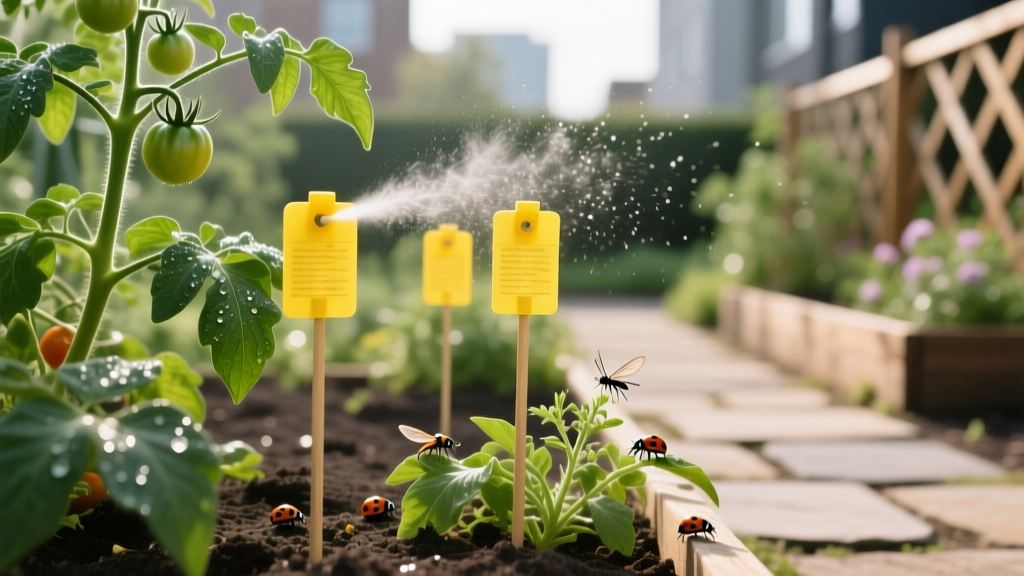
Whitefly Bio-Control 2026: Sticky Traps & Insecticidal Soap
Sarah ChenPublished
As we navigate the 2026 growing season, the shift toward sustainable, ecologically balanced gardening has never been more critical. Home gardeners and commercial growers alike are moving away from broad-spectrum synthetic pesticides, recognizing the devastating impact these chemicals have on local ecosystems. Among the most pervasive and frustrating pests to plague both vegetable patches and ornamental gardens are whiteflies. These tiny, sap-sucking insects can rapidly weaken plants, transmit devastating plant viruses, and excrete sticky honeydew that leads to unsightly sooty mold.
Fortunately, modern Integrated Pest Management (IPM) offers a highly effective, eco-friendly solution. By combining yellow sticky trap monitoring with targeted insecticidal soap sprays, you can suppress whitefly populations while preserving the beneficial insects that serve as your garden's natural defense force. In this comprehensive 2026 guide, we will explore how to implement this bio-control strategy effectively, ensuring your garden remains vibrant, healthy, and teeming with beneficial life.
Understanding Whiteflies and the Bio-Control Approach
Whiteflies (primarily Trialeurodes vaporariorum and Bemisia tabaci) are not true flies; they are closely related to aphids and scale insects. They congregate on the undersides of leaves, where females lay hundreds of microscopic eggs. Upon hatching, the nymphs feed voraciously on plant phloem before entering a pupal stage and emerging as winged adults.
The bio-control approach prioritizes the preservation of natural predators. According to the University of California Integrated Pest Management (UC IPM) program, relying solely on harsh chemical pesticides often results in pest resurgence. This happens because broad-spectrum chemicals wipe out natural enemies—such as the parasitic wasp Encarsia formosa and the whitefly lady beetle Delphastus pusillus—which reproduce much slower than the whiteflies themselves. By utilizing soft-control methods like insecticidal soaps and mechanical monitoring, we create a safe harbor for these beneficial insects to thrive and provide long-term pest suppression.
Step 1: Sticky Trap Monitoring for Whiteflies
Before you can control a pest, you must accurately monitor its population. Whiteflies are highly attracted to the yellow-green spectrum of light, making yellow sticky cards an indispensable tool for early detection and population tracking.
Why Monitoring Matters in 2026
In the past, gardeners often waited until plant leaves were heavily stippled or covered in honeydew before taking action. By then, the infestation was usually severe, and beneficial insect populations had already been driven away. Today, proactive monitoring allows you to detect the very first wave of migrating adults. Sticky traps serve two primary functions:
- Early Detection: Catching the first scouting adults before they lay eggs on your prized tomatoes or hibiscus.
- Action Thresholds: Helping you determine exactly when a spray application is necessary, preventing the overuse of even organic treatments like insecticidal soap.
Deploying Your Sticky Traps
For optimal monitoring, place traps just above the plant canopy. As plants grow, move the traps upward. In a standard home garden, you do not need to trap every single insect; you only need enough data to make informed decisions.
| Garden Area Size | Number of Yellow Traps | Placement Height | Action Threshold (When to Spray) |
|---|---|---|---|
| Small Raised Bed (50 sq ft) | 1 to 2 traps | 2 inches above canopy | 5-10 whiteflies per trap over 3 days |
| Medium Garden (500 sq ft) | 4 to 6 traps | 2 inches above canopy | Average of 10+ whiteflies per trap weekly |
| Greenhouse / Hoop House | 1 trap per 1,000 sq ft | Level with top foliage | Any consistent weekly increase in counts |
Pro Tip: Date your sticky cards with a permanent marker and use a hand lens to count the trapped adults weekly. This data will reveal if your population is trending up or down.
Step 2: Insecticidal Soap Spray Application
When your sticky traps indicate that the whitefly population has crossed the action threshold, it is time to intervene. Insecticidal soap is a cornerstone of bio-control. Unlike systemic neonicotinoids that poison the plant's tissues for months, insecticidal soaps are composed of potassium salts of fatty acids. They work strictly on contact by penetrating the soft outer cuticle of the whitefly nymph and adult, causing rapid cellular collapse and desiccation.
Why Insecticidal Soap Protects Beneficial Insects
The greatest advantage of insecticidal soap in a bio-control program is its lack of residual toxicity. Once the spray dries (usually within a few hours), it becomes completely inert. This means that if you release beneficial predators like Encarsia formosa or native ladybugs a day after your soap application, they will not be harmed. The Clemson University Home & Garden Information Center heavily recommends insecticidal soaps for soft-bodied insects precisely because they spare the beneficial predators that provide long-term biological control.
Top 2026 Insecticidal Soap Products
When shopping for insecticidal soap in 2026, always look for products specifically labeled as "Insect Killing Soap" or "Potassium Salts of Fatty Acids." Do not substitute with household dish detergents, which contain degreasers and surfactants that will strip your plant's protective waxy cuticle and cause severe phytotoxicity.
- Safer Brand Insect Killing Soap (Concentrate): A staple for IPM practitioners. The 32 oz concentrate retails for approximately $18.99 in 2026 and yields up to 12 gallons of spray, making it highly cost-effective for large gardens.
- Natria Insecticidal Soap (Ready-to-Use): Ideal for quick spot treatments on indoor houseplants or small patio containers. A 24 oz RTU bottle typically costs around $9.50.
- EcoSmart Insect Killer (Soap & Oil Blend): A newer formulation combining insecticidal soap with a light horticultural oil to smother whitefly eggs, providing a slightly broader spectrum of control while remaining safe for beneficials once dry.
Integrating Traps, Soap, and Beneficial Insects
To achieve true bio-control, you must sequence your interventions correctly. Spraying soap while beneficial insects are actively foraging can physically knock them off the plant or smother them if they are directly hit by the wet spray. Therefore, timing is everything.
The 2026 Weekly IPM Schedule
Follow this integrated schedule to balance chemical intervention with biological preservation:
- Monday (Monitor): Check yellow sticky traps. Count and record whitefly numbers. Inspect the undersides of leaves for nymphs and honeydew.
- Tuesday (Spray if needed): If thresholds are met, apply insecticidal soap in the early evening. Ensure thorough coverage of the undersides of all leaves. Spraying in the evening prevents rapid evaporation (which reduces efficacy) and avoids leaf burn from the sun.
- Wednesday (Rest): Allow the soap to dry completely and the plant to recover.
- Thursday (Release Beneficials): Introduce live beneficial insects, such as green lacewings or parasitic wasps. Because the soap residue is inert, your newly introduced predators are safe.
- Friday to Sunday (Observe): Allow the beneficial insects to establish and begin parasitizing the remaining whitefly nymphs. Continue to monitor traps to ensure the population is declining.
Common Mistakes to Avoid
Even with the best organic products, improper application can derail your pest control efforts. Avoid these common pitfalls:
- Spraying in Direct Sunlight or High Heat: Insecticidal soap can cause severe leaf burn (phytotoxicity) if applied when temperatures exceed 85°F or when the sun is directly hitting the foliage. Always spray at dusk or dawn.
- Ignoring the Undersides of Leaves: Whiteflies live, feed, and reproduce almost exclusively on the bottom of leaves. Spraying only the top of the canopy is entirely ineffective and wastes product.
- Using Hard Water for Dilution: If you are mixing your own soap concentrate, the calcium and magnesium in hard water can react with the fatty acids, creating a scum that clogs sprayers and reduces efficacy. Use distilled or filtered water if your local supply is heavily mineralized.
- Over-Applying Soap: More is not better. Applying soap more than once every 5 to 7 days can strip the natural protective waxes from your plant's leaves, leading to stunted growth and increased susceptibility to fungal diseases.
Conclusion
Managing whiteflies in 2026 does not require reaching for toxic, ecosystem-disrupting chemicals. By utilizing yellow sticky traps for precise monitoring and deploying insecticidal soap as a targeted, short-lived intervention, you can effectively knock down pest populations. More importantly, this strategy leaves the door open for beneficial insects to take over the long-term management of your garden. Embrace the patience and precision of Integrated Pest Management, and your garden will reward you with lush, healthy growth and a thriving, balanced ecosystem.