Pest Control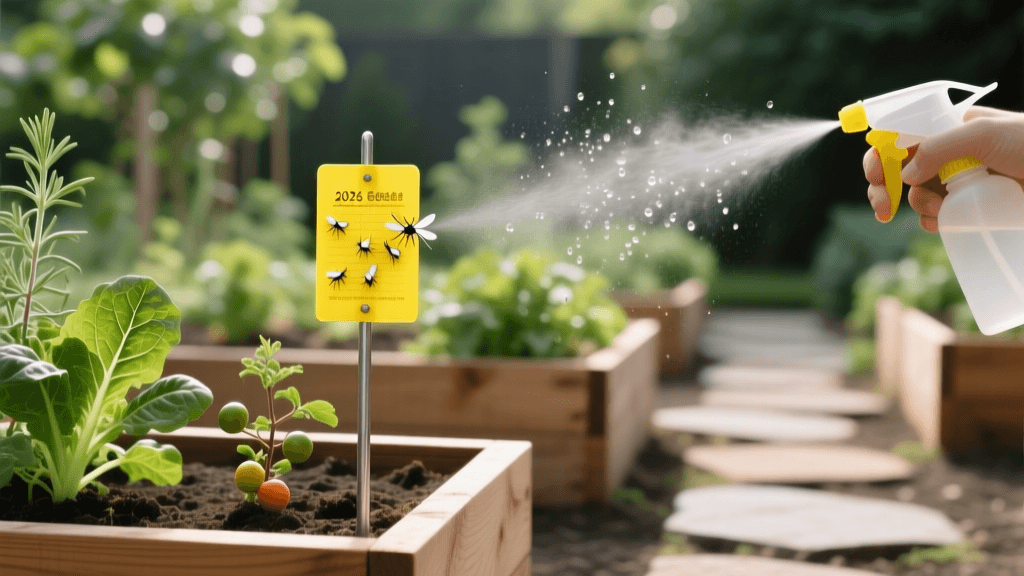
2026 Whitefly IPM: Sticky Traps & Insecticidal Soap Guide
The Rise of Foodscaping and the Whitefly Threat in 2026
As we move through the 2026 growing season, the trend of foodscaping—integrating edible plants into ornamental landscape designs—has reached new heights. Homeowners are replacing traditional boxwood hedges with blueberry bushes, planting rainbow Swiss chard alongside ornamental kale, and utilizing dwarf tomato varieties in front-yard raised beds. However, blending ornamentals with edibles creates a unique microclimate that can inadvertently invite persistent pests. Among the most notorious of these are whiteflies, tiny sap-sucking insects that can quickly devastate both the aesthetic appeal and the harvest yield of your edible landscape.
Whiteflies, particularly the greenhouse whitefly (Trialeurodes vaporariorum) and the silverleaf whitefly (Bemisia tabaci), thrive in the sheltered, densely planted environments typical of modern foodscapes. Because you are growing food meant for human consumption, broad-spectrum synthetic pesticides are rarely an option. Instead, successful edible landscaping relies on a strict Integrated Pest Management (IPM) approach. In 2026, the gold standard for managing whiteflies in home foodscapes remains the combination of proactive yellow sticky trap monitoring and targeted insecticidal soap applications.
Identifying Whiteflies and Assessing Damage
Before you can treat a whitefly infestation, you must correctly identify it. Adult whiteflies are tiny, measuring about 1/16 of an inch long, with powdery white wings that they hold roof-like over their bodies. When you brush past an infested ornamental pepper or a trellised tomato plant, a cloud of these tiny white insects will flutter into the air before quickly settling back onto the foliage.
The damage caused by whiteflies extends far beyond simple cosmetic blemishes. Both the adults and the wingless nymphs use piercing-sucking mouthparts to drain phloem sap from the undersides of leaves. This feeding weakens the plant, causing leaves to yellow, wilt, and eventually drop prematurely. More problematically, whiteflies excrete a sugary waste product known as honeydew. In a humid foodscape, honeydew rapidly becomes a breeding ground for black sooty mold, which blocks sunlight and severely reduces photosynthesis in your leafy greens and fruiting crops. Furthermore, whiteflies are notorious vectors for devastating plant viruses, including the Tomato Yellow Leaf Curl Virus (TYLCV), which can wipe out an entire season's crop in weeks. According to the University of California Agriculture and Natural Resources (UC ANR), early detection is the only reliable way to prevent viral transmission and severe sooty mold outbreaks in home gardens.
Yellow Sticky Trap Monitoring: Your Early Warning System
In an edible landscape, you cannot afford to wait until a whitefly population explodes before taking action. Yellow sticky traps serve as your primary scouting tool. Whiteflies are highly attracted to the yellow color spectrum, making these traps an incredibly effective monitoring device. The goal of monitoring is not necessarily to trap every whitefly (which is impossible), but to track population trends and determine when the numbers cross your action threshold.
For foodscaping applications, use standardized 3x5 inch yellow sticky cards. Attach them to wooden stakes or wire hangers so that the trap sits just 1 to 2 inches above the plant canopy. As your tomatoes, peppers, and brassicas grow, move the traps upward to maintain their position just above the newest foliage, where whiteflies prefer to lay their eggs.
Monitoring Thresholds for Edible Landscapes
Inspect your traps weekly, ideally on the same day each week, and use a magnifying glass to count the specks. Wipe the traps clean with vegetable oil after counting to reuse them. Below is a recommended monitoring and action threshold chart for common foodscape crops in 2026:
| Crop Type | Trap Placement | Action Threshold (Per Trap/Week) | Recommended Action |
|---|---|---|---|
| Dwarf Tomatoes & Peppers | 1-2 inches above canopy | 5-10 adult whiteflies | Begin insecticidal soap spray regimen |
| Leafy Greens (Kale, Chard) | Level with upper leaves | 3-5 adult whiteflies | Begin soap spray; inspect for sooty mold |
| Trailing Squash & Cucurbits | Staked 1 foot above ground | 10-15 adult whiteflies | Soap spray; prune heavily infested vines |
| Ornamental Herbs (Basil, Mint) | Just above canopy | Any consistent presence | Targeted spot-treatment with soap |
Insecticidal Soap: The Organic Foodscaper’s Weapon of Choice
Once your sticky traps indicate that the whitefly population has crossed the action threshold, it is time to intervene. Insecticidal soap is a cornerstone of organic IPM and is perfectly suited for edible landscapes. Formulated from potassium salts of fatty acids, insecticidal soap works on contact by penetrating the soft cuticle of soft-bodied insects like whitefly nymphs and adults, causing them to dehydrate and die rapidly.
According to the University of Minnesota Extension, insecticidal soaps are highly favored for vegetable and fruit gardens because they leave no toxic residue, are safe for most beneficial insects once dry, and have a Pre-Harvest Interval (PHI) of zero to one day. This means you can spray your cherry tomatoes in the evening and safely harvest and eat them the very next morning, provided you wash them as usual.
Step-by-Step Application Guide
To maximize the efficacy of insecticidal soap in your 2026 foodscape, follow these precise application steps:
- Timing is Everything: Whitefly eggs are protected beneath a waxy coating and are immune to soaps. Therefore, you must target the newly hatched crawlers and nymphs. Because the life cycle can be as short as 16 days in warm weather, you must apply the soap every 5 to 7 days for at least three consecutive applications to break the reproductive cycle.
- Target the Undersides: Whiteflies feed and lay eggs almost exclusively on the lower surfaces of leaves. Use a sprayer with an adjustable nozzle to direct a fine mist upward, ensuring complete coverage of the leaf undersides. If the soap does not physically touch the insect, it will not work.
- Avoid Midday Sun: Never apply insecticidal soap when temperatures exceed 85°F (29°C) or when plants are under drought stress. The combination of soap and intense sunlight can cause severe phytotoxicity (leaf burn), which is especially damaging to the aesthetic value of ornamental edibles like purple basil or bright-light Swiss chard. Spray in the early morning or late evening.
- Mixing and Dilution: Always use commercial insecticidal soap concentrates rather than homemade dish soap recipes. Dish detergents contain degreasers and fragrances that will strip the protective waxy cuticle off your edible plants, leading to severe dehydration. Mix the commercial concentrate with soft or distilled water, as hard water can cause the fatty acids to bind with calcium and magnesium, rendering the spray ineffective.
Integrating Biological Controls in the Foodscape
While sticky traps and insecticidal soap form the backbone of your immediate whitefly response, a true foodscaping philosophy embraces long-term ecological balance. Insecticidal soap, when used correctly, dries quickly and does not harm beneficial insects that arrive after the application. This makes it highly compatible with biological controls.
Consider releasing or attracting natural predators into your edible landscape. The parasitic wasp Encarsia formosa is a highly effective biological control agent that specifically targets greenhouse whitefly pupae. You can also encourage native populations of ladybugs and lacewings by planting insectary borders around your vegetable beds. Flowers like sweet alyssum, yarrow, and dill provide the nectar and pollen these beneficial insects need to sustain themselves while they hunt whitefly nymphs on your nearby crops.
Conclusion: Vigilance Yields a Beautiful Harvest
Managing whiteflies in an edible landscape requires a shift in mindset from total eradication to intelligent management. By deploying yellow sticky traps as an early warning network and utilizing insecticidal soap as a targeted, food-safe intervention, you can protect both the visual beauty and the culinary output of your foodscape. As the 2026 season progresses, consistent monitoring and timely, precise applications will ensure that your integrated ornamental and edible garden remains a vibrant, productive, and pest-resilient ecosystem.