Pest Control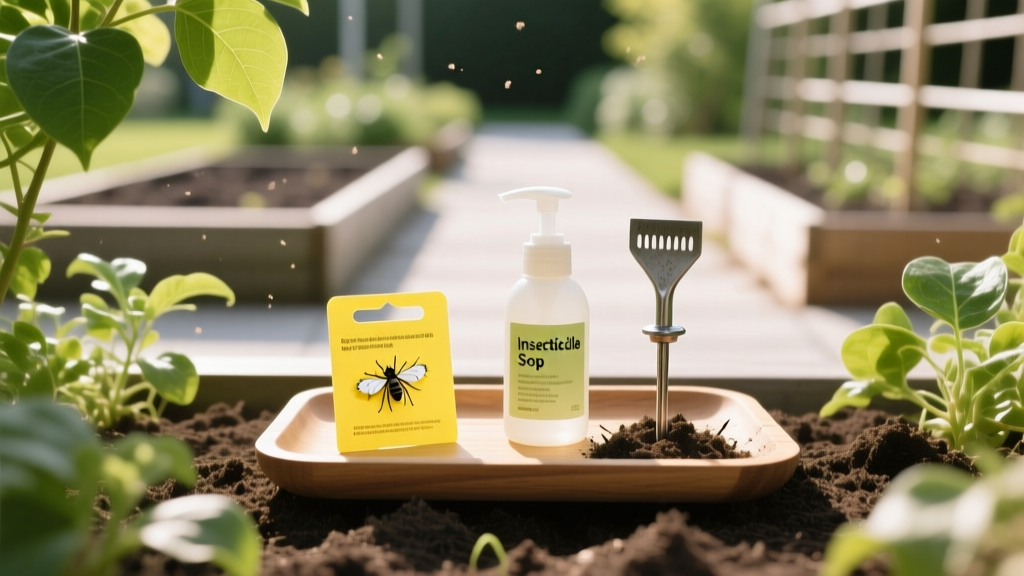
2026 Whitefly Control Guide: Core Aeration, Traps & Soap
Lisa ThompsonPublished
The 2026 Integrated Approach to Whitefly Management
Whiteflies, particularly the silverleaf whitefly (Bemisia tabaci) and the greenhouse whitefly (Trialeurodes vaporariorum), remain some of the most destructive sap-sucking pests in home gardens and ornamental landscapes. As we navigate the 2026 growing season, the horticultural industry has firmly shifted away from broad-spectrum chemical sprays that devastate beneficial insect populations. Instead, modern Integrated Pest Management (IPM) relies on a multi-tiered approach that addresses the root causes of pest vulnerability, monitors populations precisely, and utilizes targeted, eco-friendly knockdown treatments.
At LawnsGuide, we advocate for a unique and highly effective triad for whitefly management: foundational soil health through core aeration, precision monitoring via yellow sticky traps, and targeted eradication using insecticidal soap. By combining these three pillars, gardeners can protect their tomatoes, brassicas, hibiscus, and ornamentals without disrupting the local ecosystem.
The Hidden Link: Core Aeration and Pest Resistance
Most gardeners view core aeration strictly as a turfgrass practice, but in 2026, it is recognized as a vital preventative measure for ornamental and vegetable garden beds. The connection between soil compaction and whitefly infestations is rooted in plant physiology. When garden soil becomes compacted from foot traffic, heavy rains, or improper tilling, the root zone suffers from hypoxia (oxygen deprivation).
Root stress triggers a cascade of physiological responses in the plant. Stressed plants emit specific volatile organic compounds (VOCs) that act as an olfactory beacon to sap-sucking insects. Furthermore, compacted soil restricts nutrient and water uptake, causing the plant to accumulate higher concentrations of free amino acids in its phloem tissue. To a whitefly, this stressed plant is not just a food source; it is a highly nutritious feast.
By performing core aeration on your garden beds and borders, you fundamentally alter this dynamic. Using a manual core aerator or a broadfork to pull 2-to-3-inch soil plugs from the root zones of susceptible plants introduces vital oxygen to the rhizosphere. This alleviates compaction, promotes deep root vigor, and restores the plant's natural biochemical defenses, making it significantly less attractive to foraging whiteflies.
Step 1: Precision Monitoring with Yellow Sticky Traps
Even with optimal soil aeration, whiteflies can migrate from neighboring properties or overwinter in nearby greenhouses. Early detection is the cornerstone of the 2026 IPM strategy. Whiteflies are highly attracted to the specific light wavelength reflected by the color yellow, making yellow sticky cards an indispensable monitoring tool.
Deployment Strategy
- Placement: Position traps just above the canopy level of your most susceptible plants. Whiteflies typically fly upward when disturbed, so traps should be placed 6 to 12 inches above the foliage.
- Density: Deploy one yellow sticky trap per 100 square feet of garden space. For larger agricultural plots or extensive borders, use a grid pattern to ensure comprehensive coverage.
- Monitoring Frequency: Inspect the traps twice a week. Use a magnifying glass to distinguish whiteflies from fungus gnats or shore flies. Whiteflies will appear as tiny, white, moth-like insects clustered on the adhesive surface.
Action Thresholds
In a home garden setting, the presence of 1 or 2 whiteflies on a trap is normal and does not require immediate intervention. However, if you consistently count 5 to 10 adult whiteflies per card over a 48-hour period, the population has reached the action threshold. This is your signal to initiate the next phase of control: insecticidal soap.
Step 2: Targeted Knockdown with Insecticidal Soap
Once sticky traps indicate a population spike, it is time to deploy insecticidal soap. According to Penn State Extension, insecticidal soaps are formulated from potassium salts of fatty acids. These compounds work on contact by penetrating the soft, waxy cuticle of immature and adult whiteflies, causing rapid cellular leakage, dehydration, and death.
Unlike systemic neonicotinoids, insecticidal soaps break down rapidly in the environment and leave no harmful residual toxicity. This ensures that vital 2026 populations of pollinators and beneficial predatory insects, such as ladybugs and the parasitic wasp Encarsia formosa, remain unharmed once the spray has dried.
Top 2026 Insecticidal Soap Recommendations
- Safer Brand Insect Killing Soap: A staple in organic gardening, this ready-to-use formula is OMRI-listed and highly effective against soft-bodied insects. It is ideal for spot treatments on ornamental hibiscus and poinsettias.
- Natria Insecticidal Soap: Known for its excellent coverage and fast knockdown rate, Natria's formula is a top choice for heavy infestations on vegetable crops like tomatoes and peppers. It can be applied up to the day of harvest.
- Bonide Insecticidal Soap: Available in concentrate form, this is the most cost-effective option for gardeners managing large landscape borders or extensive raised bed setups.
Application Best Practices
To maximize efficacy and prevent phytotoxicity (leaf burn), always apply insecticidal soap in the early morning or late evening when temperatures are below 85°F (29°C). Because whiteflies congregate and lay their eggs on the undersides of leaves, you must thoroughly drench the lower leaf surfaces until the solution drips off. Repeat applications every 5 to 7 days are usually necessary to break the reproductive cycle, as the soap does not affect the egg stage.
2026 Whitefly IPM Comparison Chart
Understanding how these three methods complement each other is crucial for a holistic defense. The table below outlines the role of each tactic in your 2026 pest management arsenal.
| Tactic | Mechanism of Action | Target Life Stage | 2026 Avg. Cost | Application Frequency |
|---|---|---|---|---|
| Core Aeration | Alleviates soil compaction; reduces plant stress VOCs | Preventative (Pre-infestation) | $30 - $80 (Tools) | Annually (Spring/Fall) |
| Yellow Sticky Traps | Spectral attraction; adhesive capture | Adults (Monitoring) | $10 - $15 (Pack) | Replace every 3-4 weeks |
| Insecticidal Soap | Cuticle disruption; cellular dehydration | Nymphs and Adults | $8 - $18 (Bottle) | Every 5-7 days (as needed) |
Executing the Seasonal IPM Calendar
To seamlessly integrate these practices into your gardening routine, follow this seasonal calendar tailored for the 2026 growing year:
- Early Spring: Before planting your summer crops or as perennials break dormancy, perform core aeration on your garden beds. Use a broadfork to gently lift and fracture compacted soil without destroying existing soil ecology. This sets the stage for robust, stress-resistant root systems.
- Late Spring to Early Summer: Deploy yellow sticky traps as temperatures begin to rise and whitefly migration from greenhouses or overwintering sites begins. Establish your baseline monitoring data.
- Mid-Summer: This is the peak danger zone for whitefly explosions. Monitor traps twice weekly. If thresholds are exceeded, begin your insecticidal soap spray regimen, ensuring thorough coverage of leaf undersides. Maintain soil moisture to prevent drought stress, which can undo the benefits of your spring aeration.
- Autumn: As the season winds down, remove and destroy heavily infested plant debris to eliminate overwintering sites. Perform a secondary core aeration on perennial beds and turfgrass to prepare the soil structure for winter freeze-thaw cycles and spring drainage.
Conclusion
Managing whiteflies in 2026 requires looking beyond the leaves and addressing the entire ecosystem of your garden. By leveraging the preventative power of core aeration to build naturally resilient plants, utilizing yellow sticky traps for data-driven monitoring, and deploying insecticidal soap for safe, targeted knockdown, you can effectively protect your landscape. For further reading on sustainable pest management, consult the University of California IPM Guidelines or the comprehensive fact sheets provided by the Clemson University Home & Garden Information Center. Embrace this holistic approach, and enjoy a thriving, whitefly-free garden this season.