Pest Control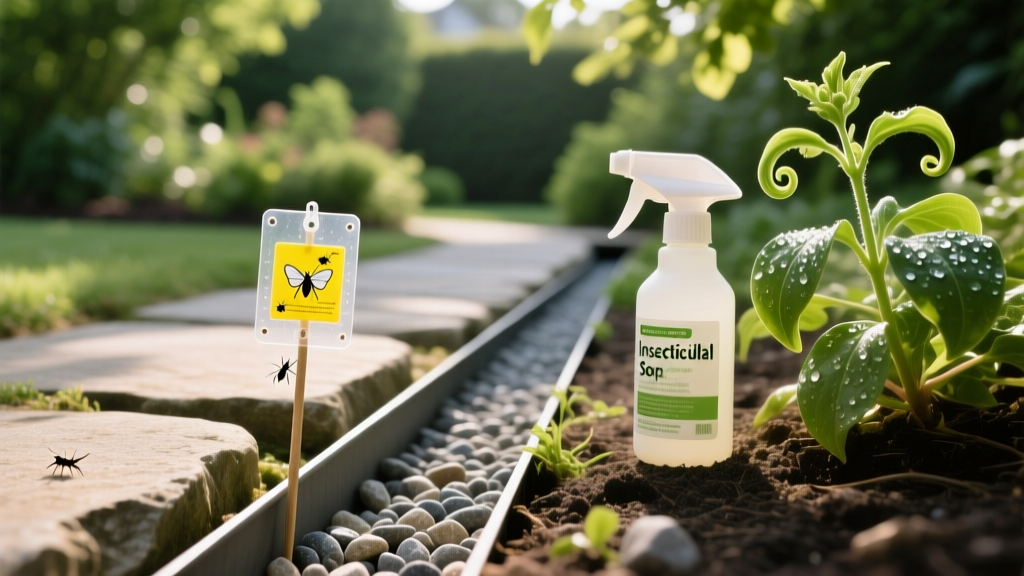
Whitefly Monitoring & Soap Spray Post-French Drain 2026
Lisa ThompsonPublished
The Intersection of Drainage and Pest Vulnerability
Installing a French drain is one of the most effective ways to resolve chronic yard flooding, soil erosion, and waterlogged root zones. By excavating a trench, laying perforated PVC pipe, and backfilling with washed gravel and geotextile fabric, you fundamentally alter the hydrology of your landscape. However, the process of French drain installation is highly disruptive. It requires heavy digging, soil amendment, and often the complete removal and replanting of turf, shrubs, and ornamental beds. As we navigate the 2026 growing season, landscaping professionals and homeowners alike must recognize that this post-installation recovery phase creates a unique microenvironment that is highly susceptible to specific pests—most notably, the whitefly.
When you replace compacted, poorly drained soil with fresh, nutrient-rich topsoil over a French drain trench, the newly installed plants experience a rapid flush of growth. While this vigorous growth is visually appealing, it produces soft, nitrogen-rich sap that acts as a powerful beacon for sap-sucking insects. Whiteflies, particularly the silverleaf whitefly (Bemisia tabaci) and the greenhouse whitefly (Trialeurodes vaporariorum), are notorious for exploiting this exact type of tender new growth. If left unchecked, these pests can severely stunt the recovery of your newly landscaped yard, turning a major drainage improvement project into a horticultural headache.
Why Whiteflies Target Post-Installation Landscapes
Whiteflies are not true flies; they are closely related to aphids and scale insects. They feed by piercing the phloem of plant leaves and extracting the sugary sap. According to the Clemson Home & Garden Information Center, whiteflies excrete a sticky, sugary substance known as honeydew, which quickly becomes a breeding ground for black sooty mold. This mold blocks sunlight, severely reducing the plant's ability to photosynthesize and recover from the transplant shock associated with French drain installation.
Plants growing directly above or adjacent to a newly installed French drain are in a transitional state. Their root systems are establishing themselves in the newly graded soil. If the drainage system is working perfectly, the soil moisture is optimized, which is excellent for long-term plant immunity. However, during the first 60 to 90 days post-installation, the plants are prioritizing root establishment over chemical defenses. This makes them incredibly vulnerable to whitefly colonization. Implementing a strict Integrated Pest Management (IPM) protocol focusing on early monitoring and targeted, organic treatments is essential to protect your investment.
Step 1: Deploying Yellow Sticky Traps for Monitoring
The cornerstone of any successful 2026 IPM strategy is early detection. You cannot treat what you do not monitor. Whiteflies are incredibly small, often hiding on the undersides of leaves until their population explodes. Yellow sticky traps are the industry standard for monitoring these pests because the specific wavelength of light reflected by the yellow color mimics the appearance of young, tender, nitrogen-rich leaves.
After your French drain is backfilled and the new landscape is planted, deploy yellow sticky traps along the trench line. Place the traps on wire stakes approximately 12 to 18 inches above the plant canopy. For a standard residential French drain installation spanning 50 feet, use at least three to five traps spaced evenly along the route. Check these traps weekly, counting the number of adult whiteflies caught. This data will tell you whether the population is merely passing through or actively colonizing your new plants.
2026 Whitefly Sticky Trap Action Thresholds
| Trap Count (Adults per Week) | Population Status | Recommended Action Post-Drain Installation |
|---|---|---|
| 0 - 5 | Low / Incidental | No action required. Continue weekly monitoring and maintain optimal drainage. |
| 6 - 15 | Moderate / Establishing | Inspect leaf undersides. Prepare insecticidal soap spray. Increase trap density. |
| 16 - 30 | High / Colonizing | Immediate application of insecticidal soap. Check for honeydew and sooty mold. |
| 30+ | Severe / Outbreak | Aggressive soap spray schedule. Consider introducing beneficial insects like Encarsia formosa. |
Step 2: Insecticidal Soap Spray Application
Once your sticky traps indicate that the whitefly population has crossed the moderate threshold, it is time to intervene. In 2026, synthetic broad-spectrum pesticides are increasingly discouraged in residential landscapes due to their devastating impact on local pollinator populations and beneficial soil microbes—microbes that are critical for breaking down organic matter in the fresh topsoil laid over your French drain. Instead, insecticidal soap remains the gold standard for soft-bodied insect control.
As detailed by the National Pesticide Information Center (NPIC), insecticidal soaps are composed of potassium salts of fatty acids. When sprayed directly onto whiteflies, the soap penetrates their soft outer cuticle, disrupting cell membranes and causing rapid dehydration and death. Crucially, insecticidal soap has no residual effect once it dries, meaning it will not harm beneficial insects like ladybugs or parasitic wasps that arrive after the spray has dried.
Best Practices for Soap Application in Drained Yards
When treating the landscape above a French drain, you must be mindful of environmental conditions. Because the soil is now well-drained, the ambient humidity around the plants may be lower than it was in the previously waterlogged yard. This means plants can dry out faster, making them slightly more sensitive to foliar sprays.
- Timing is Everything: Never apply insecticidal soap in direct, midday sunlight. The combination of the soap and intense UV radiation will cause severe leaf burn (phytotoxicity). Apply early in the morning or late in the evening when temperatures are below 85°F.
- Coverage is Mandatory: Whiteflies congregate almost exclusively on the undersides of leaves. You must use a sprayer with an adjustable nozzle that allows you to spray upward into the canopy. If you do not coat the underside of the leaf, you will not kill the pests.
- Product Selection: Look for ready-to-use or concentrated formulations containing 1% to 2% potassium salts of fatty acids. Leading 2026 formulations from brands like Safer Brand Insect Killing Soap and Bonide Insecticidal Soap are highly refined to minimize plant stress while maximizing pest desiccation.
- Reapplication Schedule: Because soap lacks residual activity, it only kills on contact. You must reapply every 5 to 7 days for at least three consecutive cycles to break the reproductive life cycle of the whitefly, ensuring that newly hatched nymphs are eliminated before they can mature and lay more eggs.
Integrating Drainage Maintenance with Pest Management
The long-term success of your whitefly management strategy is directly tied to the ongoing performance of your French drain. According to Penn State Extension, plants that suffer from environmental stress—whether from drought, poor nutrition, or ironically, a return to waterlogged conditions—are significantly more prone to severe whitefly damage. If your French drain becomes clogged with silt, root intrusion, or landscape debris, water will begin to pool in the trench again. This will drown the shallow feeder roots of your ornamental plants, inducing hypoxia (oxygen starvation). A hypoxic plant cannot synthesize the defensive compounds required to fend off sap-suckers, leading to a massive whitefly resurgence.
To prevent this, incorporate drain maintenance into your seasonal IPM schedule. Inspect the exposed gravel outlets and catch basins of your French drain every spring and fall. Clear away autumn leaves, sediment buildup, and encroaching groundcovers that might block the flow of water. By ensuring the drainage system functions flawlessly, you maintain the optimal soil moisture levels that promote robust, resilient plant growth capable of withstanding pest pressure.
Your 2026 Post-Installation IPM Schedule
To keep your newly drained and landscaped yard thriving, follow this integrated timeline:
- Weeks 1-4 Post-Installation: Focus on deep, infrequent watering to encourage roots to chase the moisture down toward the gravel trench. Deploy yellow sticky traps immediately upon planting.
- Weeks 5-8: Monitor traps weekly. If thresholds are exceeded, begin the 5-to-7-day insecticidal soap spray regimen. Prune away any heavily infested or sooty-mold-covered leaves and dispose of them in sealed bags.
- Months 3-6: Transition from reactive spraying to proactive biological control. If the landscape is established, introduce beneficial predators like the convergent lady beetle or lacewings, which will patrol the well-drained beds for lingering pests.
- Annual Maintenance: Flush the French drain pipes with a high-pressure hose to clear sediment, ensuring the soil above remains perfectly aerated and drained, naturally deterring future whitefly colonization.
By viewing your French drain not just as a piece of hardscape, but as the foundational life-support system for your landscape's immune system, you can effectively manage whiteflies using safe, targeted, and highly effective IPM techniques.