Gardening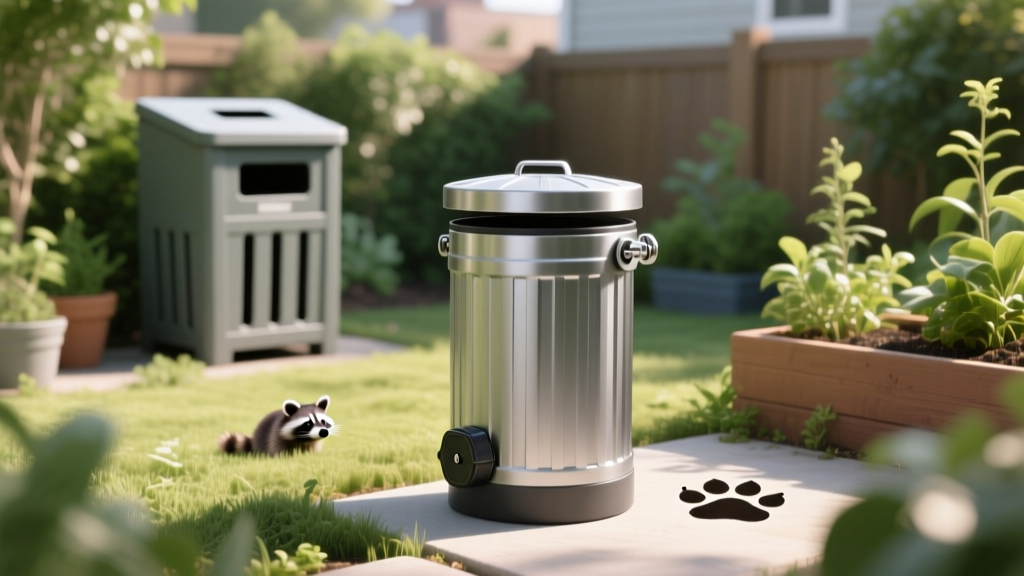
Tumbling vs Stationary Compost Bins: Wildlife-Proof Setup 2026
James MillerPublished
The 2026 Guide to Wildlife-Proof Composting: Tumblers vs. Stationary Bins
As urban and suburban wildlife populations continue to adapt and thrive in 2026, managing yard animals has become a critical component of sustainable gardening. Home composting is one of the most effective ways to reduce household waste and build nutrient-rich soil, but an unsecured compost pile is essentially an all-you-can-eat buffet for local fauna. From opportunistic raccoons and clever rats to foraging deer and even wandering black bears in peri-urban zones, wildlife conflicts can quickly turn your gardening hobby into a frustrating ordeal. Choosing the right composting system is your first line of defense. In this comprehensive guide, we break down the tumbling versus stationary compost bin methods specifically through the lens of wildlife and yard animal management, helping you select, install, and maintain a secure system this year.
Understanding the Wildlife Threat to Your Compost
Before selecting a bin, it is essential to understand why animals are attracted to compost in the first place. Decomposing organic matter releases volatile organic compounds (VOCs) that mimic the scent of natural food sources. Nitrogen-rich 'green' materials like fruit scraps, vegetable peels, and coffee grounds are particularly pungent. According to the Environmental Protection Agency (EPA), maintaining the correct balance of carbon-heavy 'browns' and nitrogen-rich 'greens' not only accelerates decomposition but also significantly reduces the odors that draw in unwanted pests. When a compost pile becomes anaerobic or overly saturated with food waste, it produces a sour, rotting smell that can attract rodents and scavengers from over a mile away. In 2026, with municipal wildlife corridors expanding into residential areas, relying on an open pile or a flimsy wire bin is no longer a viable strategy for animal management.
Tumbling Composters: The Elevated Defense
Tumbling composters are fully sealed, rotating drums mounted on an elevated metal or heavy-duty resin frame. For gardeners dealing with high rodent populations or clever scavengers like raccoons, tumblers offer a distinct structural advantage. Because the composting chamber is suspended off the ground, it eliminates the primary entry point for burrowing animals such as voles, mice, and rats. Furthermore, the enclosed nature of a tumbler masks odors far better than an open stationary pile.
Pros for Wildlife Management
- Elevation: Keeps the compost out of reach of ground-foraging animals and prevents burrowing from below.
- Sealed Environment: Locking latches and tight-fitting doors prevent raccoons and opossums from prying the bin open.
- Odor Containment: The enclosed plastic or galvanized steel shell traps VOCs, reducing the scent radius that attracts larger mammals like coyotes or bears.
- Agitation: The tumbling action breaks down materials quickly, leaving less time for food scraps to emit strong, attractive odors.
Cons and Limitations
While tumblers are excellent for pest control, they have limited capacity, usually ranging from 30 to 50 gallons. They are not ideal for processing large volumes of autumn leaves or heavy yard debris. Additionally, in colder climate zones, the elevated design exposes the compost to freezing winter temperatures, which can halt the decomposition process entirely until spring.
Stationary Compost Bins: Ground-Level Fortresses
Stationary compost bins sit directly on the soil. They range from simple open-top wooden slat structures to fully enclosed, heavy-duty plastic bins with locking lids. For gardeners with large properties and significant yard waste, stationary bins offer the volume necessary to create compost on a commercial scale. However, because they sit on the earth, they are inherently vulnerable to wildlife intrusion if not properly fortified.
The Hardware Cloth Imperative
If you opt for a stationary bin in an area with rats, mice, or groundhogs, placing the bin directly on the dirt is a critical error. To wildlife-proof a stationary setup in 2026, you must install a barrier beneath the bin. The Cornell Waste Management Institute recommends using 1/4-inch or 1/2-inch galvanized steel hardware cloth (not flimsy chicken wire, which rats can easily chew through or squeeze past). Dig a shallow trench, lay the hardware cloth so it extends at least 12 inches outward from the base of the bin on all sides, and secure the bin on top. This prevents burrowing animals from tunneling up into the nutrient-rich compost.
Pros for Wildlife Management
- Capacity: Allows for the addition of massive amounts of carbon-heavy browns, which can be used to bury and mask food scraps deeply.
- Soil Integration: Beneficial soil organisms, earthworms, and native ground beetles can freely enter the compost, accelerating the breakdown process without posing a pest threat.
Cons and Limitations
Open-top or poorly latched stationary bins are highly susceptible to raccoon raids. Raccoons possess remarkable dexterity and can easily flip off unweighted lids or slide open simple latches. To combat this, stationary bins must be equipped with carabiner clips, bungee cords, or dual-action locking mechanisms.
Head-to-Head Wildlife Comparison Chart
| Feature | Tumbling Composter | Enclosed Stationary Bin | Open Stationary Pile |
|---|---|---|---|
| Rodent Vulnerability | Very Low (Elevated) | Low (If hardware cloth is used) | High (Easy burrowing access) |
| Raccoon/Opossum Access | Very Low (Sealed & latched) | Low (Requires locking lid) | High (Open top access) |
| Bear/Coyote Attraction | Low (Odor contained) | Moderate (Odor escapes vents) | Very High (Exposed food) |
| Volume Capacity | Low to Moderate | High | Unlimited |
| Winter Decomposition | Poor (Freezes easily) | Good (Ground heat retention) | Moderate |
Best Practices for Animal-Proofing Any Compost System
Regardless of whether you choose a tumbler or a stationary fortress, your daily composting habits dictate your success in wildlife management. The National Wildlife Federation emphasizes that coexisting with local fauna requires removing artificial food sources, meaning your compost must be managed so it does not act as a wildlife feeder.
1. The 'Bury Your Greens' Technique
Never leave food scraps exposed on the surface of your compost. Whenever you add kitchen waste to a stationary bin, use a hand trowel to dig a hole 8 to 12 inches deep into the existing compost, deposit the greens, and completely cover them with a thick layer of carbon-rich browns (shredded cardboard, dry leaves, or wood chips). This 'bio-filter' cap traps odors and physically blocks animals from accessing the food.
2. Strict Prohibition of High-Risk Materials
In 2026, the rule remains absolute: never compost meat, dairy, bones, grease, or pet waste in a residential setting. These materials decompose slowly, produce putrid odors, and are primary attractants for severe pests like rats, flies, and large scavengers. Stick strictly to plant-based kitchen scraps and yard trimmings.
3. Moisture and Aeration Control
A soggy, anaerobic compost pile smells like rotting garbage, which is a beacon for wildlife. Turn your stationary pile regularly or spin your tumbler every few days to introduce oxygen. If the pile is too wet, mix in dry shredded newspaper or straw to absorb excess moisture and neutralize odors.
4. Strategic Placement
Do not place your compost bin directly against a fence, shed, or the side of your house. Fences provide climbing access for raccoons and rats to drop into open bins, while placing it near structures gives pests a hidden staging area. Keep the bin in an open, well-lit area where wildlife feels exposed and vulnerable to predators.
Conclusion
Managing yard animals and wildlife is an ongoing responsibility for the modern gardener. When deciding between a tumbling composter and a stationary bin, your choice should be dictated by your local wildlife pressure and your volume needs. Tumblers offer an unparalleled, elevated defense against rodents and scavengers, making them ideal for smaller urban yards. Conversely, fortified stationary bins provide the volume needed for large-scale soil building, provided you invest the time to install a hardware cloth base and secure the lid. By combining the right physical infrastructure with disciplined composting habits, you can produce premium, home-grown fertilizer in 2026 without inadvertently feeding the neighborhood wildlife.
