Gardening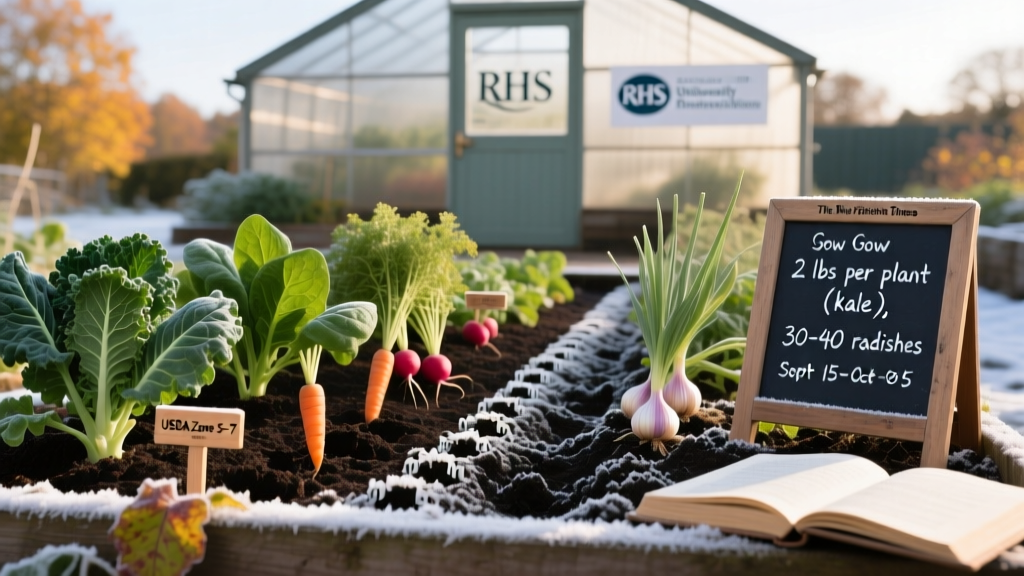
Winter Gardening Crops You Can Grow In Cold Weather
Cold-Season Crops That Thrive When Temperatures Drop
Most gardeners pack away their tools when the first frost arrives, but a winter garden can still produce fresh vegetables — and even some flowers — from late autumn through early spring. Cold-hardy crops survive freezing temperatures, and many actually taste better after a frost. As the cold sets in, plants convert starches to sugars, which makes them sweeter. Kale, spinach, carrots, and certain alliums all fit this pattern. They reward gardeners who wait with harvests that summer crops don’t match for sweetness or depth.
Your climate zone matters most. The USDA Plant Hardiness Zone Map divides North America into 13 zones based on average annual minimum temperatures. Those zones tell you which crops can stay outdoors through winter — and when to plant them. Gardeners in the Pacific Northwest, the mild coastal South, and the UK’s temperate maritime climate have the most options. But even in Zone 5, row covers and cold frames can stretch the season well into winter.
Root Vegetables for Winter Harvests
Root vegetables are dependable winter crops because they store energy underground, out of reach of the worst cold. Carrots left in the ground after a hard frost often taste noticeably sweeter — a change the Royal Horticultural Society links to sugar buildup in root tissue when temperatures drop below 4°C (39°F) (RHS, 2023). Parsnips handle cold even better and are traditionally dug after the first hard frost in the UK and northern US.
For carrots, sow seeds directly into well-prepared, stone-free soil, about 1 cm (½ inch) deep. Space rows 15–30 cm (6–12 inches) apart. Thin seedlings to 5–8 cm (2–3 inches) within the row once they’re about 5 cm tall. In USDA Zones 6–9, sowing in August or early September gives roots ready to harvest from November onward. In Zones 3–5, the same timing works, but you’ll need cold frames or a thick layer of straw mulch — at least 15 cm (6 inches) — to keep the ground workable.
Turnips and beets round out the winter root garden. Turnip ‘Purple Top White Globe’ matures in just 55 days, one of the quickest cool-season crops. Sow beets 1 cm deep, spacing seeds 10 cm apart in rows 30 cm apart. They tolerate light frost but do better with mulch in Zones 5 and colder. The University of Minnesota Extension suggests sowing beets no later than 8 weeks before the first expected hard freeze for an autumn and early winter harvest (University of Minnesota Extension, 2022).
Parsnips: The Long-Season Winter Root
Parsnips take longer to mature than most root vegetables — usually 100 to 120 days from sowing to harvest. In the UK, the RHS recommends sowing between March and May for a harvest starting in October. In the US, gardeners in Zones 4–7 should sow in April or May. Parsnip seeds don’t last long, so use fresh seed each year. Sow three seeds per spot, spaced 15 cm apart in rows 30 cm apart, then thin to the strongest seedling. Parsnips can stay in the ground through hard freezes and are often harvested as late as February in mild UK winters.
Storing Roots in the Ground
One nice thing about root vegetables is that your garden doubles as a storage cellar. Carrots, parsnips, and turnips can stay in place and be pulled as needed — as long as the ground doesn’t freeze solid. Once temperatures stay below freezing, cover the bed with 20–30 cm of straw, shredded leaves, or fleece. This keeps the soil several degrees warmer than the air and often adds four to six weeks to the harvest window in temperate climates.
Leafy Greens and Brassicas Through the Cold Months
Leafy greens form the core of the winter vegetable garden. Kale, spinach, Swiss chard, mâche (corn salad), and various Asian greens all handle frost and can be picked repeatedly through the coldest months. Kale stands out: varieties like ‘Winterbor’ and ‘Lacinato’ (also called Tuscan or dinosaur kale) survive temperatures as low as -15°C (5°F) without protection, making them viable in USDA Zones 5 and above.
Spinach is another strong performer. Sow seeds 1.5 cm deep, 5 cm apart, in rows 30 cm apart. For a winter harvest in Zones 6–9, sow in September or October; in Zones 3–5, sow in late August and add a cold frame or low tunnel. Spinach slows down in the coldest weeks but picks up again as days get longer in late winter, giving an early spring harvest with little extra work. Oregon State University Extension notes that established spinach plants can handle temperatures as low as -9°C (15°F) once cold weather arrives (Oregon State University Extension, 2021).
Mâche, or corn salad, may be the hardiest salad green available. It grows slowly but steadily through temperatures that would kill lettuce outright, and its small, tender rosettes can be harvested from November through March in Zones 5–8. Scatter seed thinly over a prepared bed in late August or September, rake it in lightly, and water. No thinning is needed for a cut-and-come-again harvest.
Brassicas: Cabbage, Brussels Sprouts, and Overwintering Cauliflower
The brassica family includes some of the most productive winter crops. Brussels sprouts are a classic: plants started in May or June yield sprouts from October through February in Zones 5–8. Space transplants 60–90 cm (24–36 inches) apart in rows 90 cm apart — crowding cuts yields. A single healthy plant can produce 0.5–1 kg (1–2 lbs) of sprouts over the season.
Overwintering cauliflower varieties like ‘Aalsmeer’ and ‘Snowball’ are sown in summer and harvested the following spring. They need mild winters (Zones 7–9 in the US, or most of the UK) but give heads in March and April when not much else is growing. The RHS recommends spacing overwintering cauliflower 60 cm apart in both directions to keep air moving around the plants and lower the chance of fungal disease during wet winter months (RHS, 2023).
Alliums and Hardy Herbs for Winter Interest
Garlic is satisfying to plant in autumn because it needs little attention after going in the ground. In the UK, plant cloves between October and December; in the US, plant in October in Zones 7–9 and in September or early October in Zones 4–6. Push each clove 5 cm deep, pointed end up, with 15 cm spacing in rows 30 cm apart. Garlic spends winter as a dormant clove, sends up green shoots in late winter, and is ready to harvest next July when the lower leaves start to yellow.
Overwintering onion sets like ‘Radar’ or ‘Electric’ go in the ground in autumn and are ready in early summer — several weeks before spring-planted onions. Plant sets 10 cm apart in rows 25–30 cm apart, with just the tip covered by soil. These varieties were chosen for cold tolerance and usually survive temperatures down to about -10°C (14°F) without protection.
Hardy herbs like rosemary, thyme, sage, and winter savory keep producing through mild winters in Zones 6 and above. Chives die back to the ground but return reliably in early spring. Parsley is biennial and will overwinter in Zones 5–9, giving leaves until it bolts in its second spring. A cold frame or cloche over parsley in Zone 5 helps it stay productive through the coldest months.
Planting Dates by USDA Zone
Timing makes a big difference in the winter garden. The table below shows when to sow or transplant key winter crops across USDA hardiness zones. These dates assume outdoor growing without protection; cold frames and row covers can push the window two to four weeks later in most zones.
| Crop | Zone 4–5 | Zone 6–7 | Zone 8–9 |
|---|---|---|---|
| Kale (transplant) | Late July – Aug 1 | Aug – Sept 1 | Sept – Oct |
| Spinach (direct sow) | Late Aug | Sept – Oct 1 | Oct – Nov |
| Garlic (cloves) | Sept – Oct 1 | Oct – Nov 1 | Oct – Dec |
| Carrots (direct sow) | Late July – Aug | Aug – Sept | Sept – Oct |
| Mâche (broadcast) | Aug – Sept 1 | Sept – Oct | Oct – Nov |
| Brussels sprouts (transplant) | May – June 1 | June – July | July – Aug |
| Overwintering onion sets | Sept | Sept – Oct | Oct – Nov |
Cold Frames, Row Covers, and Season Extension
Even the hardiest crops appreciate some shelter during extreme cold. A simple cold frame — basically a bottomless box with a clear lid — can raise the temperature inside by 5–10°C (9–18°F) compared to the open garden. That’s enough to shift your conditions one or two zones warmer. Cold frames help especially with spinach, mâche, and overwintering lettuce during hard freezes.
Row covers made from spunbonded polypropylene fleece are among the most practical and affordable tools for extending the season. Lightweight covers (17–30 g/m²) add 2–4°C of frost protection and work well for most leafy greens. Heavier ones (50–70 g/m²) add up to 8°C and suit more tender crops or colder zones. Lay them directly over plants or support them on wire hoops, and secure the edges with soil, stones, or pegs to keep them from blowing away.
Mulching matters too for root crops left in the ground. A 15–20 cm layer of straw, applied after the first hard frost, insulates the soil so it doesn’t freeze solid. That lets you keep harvesting through winter. Pull the mulch back gradually in spring as temperatures rise, to avoid encouraging slugs or fungal problems.
Winter Flowers: Pansies, Hellebores, and Snowdrops
The winter garden doesn’t have to be all food. Several flowering plants thrive in cold weather and bring color and interest from November through March. Winter pansies (Viola × wittrockiana) are among the most common winter flowers in temperate climates. Plant them in September or October in Zones 6–9 for blooms through mild spells all winter and a fresh flush in early spring. Space plants 20–25 cm apart; they handle temperatures down to about -10°C (14°F) and bounce back after hard freezes once things warm up.
Hellebores (Helleborus spp.) are long-lived perennials that flower from December through April in Zones 4–9. They like partial shade and soil rich in humus and well drained. Once settled in, hellebores need little care and will spread under deciduous trees, with nodding flowers in white, pink, purple, and near-black. Many cultivars hold the RHS Award of Garden Merit, a sign of their reliability and beauty in UK gardens (RHS, 2023).
Snowdrops (Galanthus nivalis) are among the earliest bulbs to bloom, sometimes pushing through snow in January and February in Zones 3–7. Plant bulbs 8–10 cm deep and 8 cm apart in loose groups under deciduous trees or shrubs. Or plant them “in the green” — as growing plants right after flowering — which often works better than dry bulbs. The Galanthus Conservation Group at Kew Gardens in London has recorded over 2,500 named cultivars, though the straight species remains the easiest and most cold-hardy choice for most gardeners.
- Winter pansies: plant September–October, space 20–25 cm, hardy to -10°C
- Hellebores: plant autumn or spring, space 45–60 cm, hardy to -20°C in established clumps
- Snowdrops: plant bulbs 8–10 cm deep in autumn, or in the green after flowering
- Cyclamen coum: plant tubers 2–3 cm deep in autumn, flowers January–March in Zones 5–9
- Witch hazel (Hamamelis): large shrub or small tree, flowers December–March, Zones 5–8
Soil Preparation and Fertility for Winter Crops
Healthy soil is the starting point for a good winter garden. Before sowing or transplanting, mix in well-rotted compost or aged manure — about one bucketful per square metre (roughly 9 litres per square metre). This helps heavy clay drain better — important for avoiding root rot in wet winters — and helps sandy soils hold moisture longer, even when it’s cold.
Most winter vegetables grow best in soil with a pH between 6.5 and 7.0. Brassicas are especially sensitive to clubroot in acidic soil; if your pH falls below 6.5, add ground limestone at the rate your soil test recommends. The North Carolina State University Cooperative Extension advises testing soil every two to three years and adjusting pH before planting brassicas, since clubroot spores can linger in the soil for up to 20 years once they’re present (NC State Extension, 2022).
Winter crops don’t need as much nitrogen as summer vegetables. Cold slows plant metabolism, and too much nitrogen can make growth soft and more likely to suffer frost damage. A balanced, slow-release fertilizer at planting is usually enough. For leafy greens harvested repeatedly, a light top-dressing of blood meal or a weak liquid feed in late winter — as days begin to lengthen — gives a final boost before the plants bolt in spring.
- Test soil pH in late summer and adjust if necessary before autumn planting.
- Incorporate compost or aged manure at one bucketful per square metre.
- Apply a balanced slow-release fertilizer at planting; avoid high-nitrogen feeds in autumn.
- Mulch root crops with 15–20 cm of straw after the first hard frost.
- Top-dress leafy greens with a dilute nitrogen feed in late February or early March to encourage spring regrowth.
With the right crop choices, careful timing, and a few simple tools like cold frames or row covers, the winter garden can be just as productive and satisfying as any other season. These crops have been grown for centuries in cold parts of Europe and North America. Advice from sources like Oregon State University Extension, the University of Minnesota Extension, and the Royal Horticultural Society backs up the planting dates, spacing, and care tips that give them the best chance to succeed.
