Gardening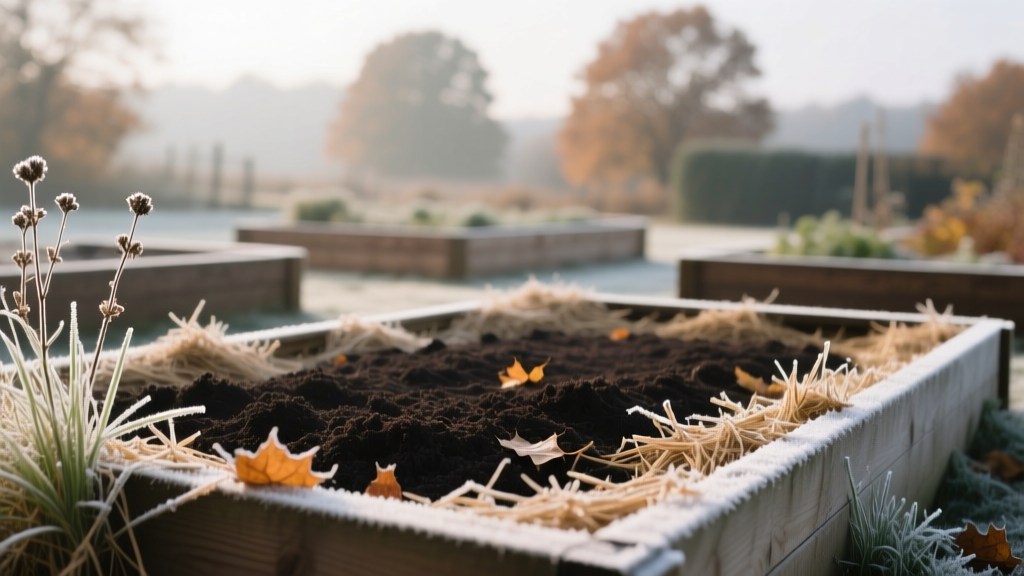
Fall Raised Bed Maintenance: Winterize Soil & Prevent Disease
Lisa ThompsonPublished
As the vibrant hues of autumn replace the lush greens of summer, many gardeners view the first frost as a signal to abandon their vegetable gardens until spring. However, from a seasonal maintenance and soil health perspective, fall is arguably the most critical time of the year for raised bed management. The actions you take between late September and early November dictate the biological vitality of your soil, the structural integrity of your beds, and the disease pressure your crops will face the following year. Neglecting fall garden prep often leads to compacted, nutrient-depleted soil and a massive resurgence of overwintering fungal pathogens. This comprehensive guide will walk you through the exact steps, products, and timing required to winterize your raised beds, protect your soil microbiome, and set the stage for a record-breaking harvest next season.
The Critical Role of Fall Sanitation in Disease Management
The foundation of seasonal garden health begins with rigorous sanitation. Fungal and bacterial pathogens, such as Alternaria solani (Early Blight) and Septoria lycopersici (Septoria Leaf Spot), survive the winter by overwintering in infected plant debris and the top layer of soil. If you leave spent tomato vines, pepper stalks, or diseased squash leaves in your raised beds, you are essentially building a luxury resort for next year's pathogens.
Actionable Cleanup Protocol
- Timing: Begin your cleanup 1 to 2 weeks before your region's average first frost date, while the ground is still workable and plant materials are dry.
- Extraction: Pull plants out by the roots. Do not simply cut them at the soil line, as decaying roots can harbor soil-borne nematodes and fungal spores.
- Disposal vs. Composting: Healthy plant matter can be chopped and added to your compost bin. However, any plant showing signs of mildew, blight, or insect damage must be bagged and sent to the municipal landfill or burned. Home compost piles rarely reach the sustained 140°F to 160°F required to kill resilient fungal spores.
- Surface Raking: After removing the plants, gently rake the top 1 inch of soil to expose any hidden pest larvae (like tomato hornworm pupae) to freezing temperatures and foraging birds.
The Penn State Extension emphasizes that 'removing infected plant debris is the single most effective cultural control for managing overwintering fungal pathogens. Sanitation disrupts the disease triangle by eliminating the primary inoculum source.'
Soil Testing: The Foundation of Seasonal Health
Raised beds are intensive growing environments. Because you are growing crops closer together and harvesting higher yields, nutrients are depleted much faster than in traditional in-ground rows. Guessing your soil's needs by blindly applying generic fertilizers can lead to nutrient lockout, salt buildup, and phosphorus runoff.
How to Test and Amend
Invest in a professional laboratory soil test rather than relying solely on cheap DIY chemical dye kits. Most university cooperative extensions offer mail-in soil test kits for approximately $15 to $25. To get an accurate reading, use a trowel to pull 5 to 6 core samples from different spots in your raised bed, going about 6 inches deep. Mix these in a clean plastic bucket, let the soil air-dry, and mail the required 2-cup sample to the lab.
While waiting for your results (which usually take 2 weeks), you can address the most common fall deficiency: pH imbalance. Most vegetables thrive in a pH range of 6.2 to 6.8. If your previous year's crops showed signs of blossom end rot or poor nutrient uptake, your soil is likely too acidic.
- Product Recommendation: Espoma Organic Garden Lime (approx. $12 for a 40-lb bag).
- Application Rate: Apply 5 lbs of pelletized lime per 100 square feet of raised bed space to raise the pH by roughly 0.5 points.
- Timing: Lime takes 3 to 6 months to fully react in the soil. Applying it in the fall ensures it is fully integrated and bioavailable by the time you plant spring tomatoes and peppers.
Rebuilding Soil Structure with Cover Crops
Bare soil is dead soil. When left exposed to winter rains and snowmelt, the topsoil in your raised beds will erode, and the soil structure will collapse, leading to severe spring compaction. Planting a fall cover crop (often called 'green manure') is the ultimate seasonal maintenance hack. Cover crops scavenge leftover nitrogen, suppress winter weeds, and feed the soil food web through root exudates.
Winter Cover Crop Comparison Chart
| Cover Crop | Seeding Rate (per 100 sq ft) | Frost Tolerance | Primary Benefit | Spring Termination Method |
|---|---|---|---|---|
| Winter Rye | 2 lbs | Extreme (Survives -30°F) | Massive biomass production and weed suppression | Mow at knee-height, tarp for 3 weeks |
| Crimson Clover | 0.5 lbs | Moderate (Survives 10°F) | Fixes atmospheric nitrogen into the soil | Mow at early bloom, turn into soil |
| Daikon Radish | 1 lb | Low (Winter-kills at 20°F) | Deep taproots relieve soil compaction | None (rots in place, leaving aeration holes) |
According to the Cornell University Cooperative Extension, 'Cover crops act as a biological engine, driving soil microbial activity during the off-season while preventing topsoil erosion from winter rains and snowmelt.'
Pro-Tip for Raised Beds: If you live in a northern climate with harsh winters, a mix of Daikon Radish and Winter Peas is ideal. The radish will winter-kill, leaving perfectly aerated soil holes, while the peas will fix nitrogen before succumbing to the deep freeze, leaving a mat of easily incorporable organic matter on the surface.
Structural Maintenance and Rodent Exclusion
Seasonal health isn't just about the soil; it is also about the physical infrastructure of your garden. Raised beds—especially those made of untreated cedar or pine—are susceptible to moisture rot and burrowing pests. Fall is the perfect time to perform structural triage.
Wood Preservation
Inspect the corners and baseboards of your wooden raised beds. If the wood is drying out or graying, treat the exterior and interior walls with Raw Linseed Oil (approx. $20 per quart). Unlike boiled linseed oil, which contains toxic chemical drying agents, raw linseed oil is 100% natural and safe for organic vegetable gardens. Apply a heavy coat with a bristle brush on a dry, 50°F+ autumn day. This waterproofs the wood, extending the life of your beds by 3 to 5 years.
Pest Exclusion Protocol
Voles and mice love to nest in the warm, loose soil of raised beds during the winter, often girdling the roots of your overwintering crops like garlic and spinach. To prevent this, line the bottom and lower sides of your beds with 1/2-inch galvanized hardware cloth (approx. $35 per 10-ft roll). Do not use chicken wire; the holes are too large, and rodents will easily pass through. If your beds are already built, you can staple hardware cloth to the interior lower 6 inches of the wood, extending it outward into the soil to create an impenetrable subterranean barrier.
Mulching: The Winter Blanket for Moisture Retention
If you opt not to plant a cover crop, or if you are protecting overwintering crops like garlic, shallots, or perennial herbs, you must apply a protective winter mulch. The goal of winter mulch is not necessarily to keep the soil warm, but to keep the soil temperature stable. The freeze-thaw cycle of late winter can cause 'frost heaving,' which pushes plant roots and beneficial fungal networks out of the soil, exposing them to desiccating winds.
Best Mulching Materials and Measurements
- Straw (Not Hay): Straw is hollow, providing excellent insulation without matting down. It costs about $8 to $12 per bale. Ensure you buy straw, as hay contains thousands of weed seeds. Apply a 4-inch layer over bare soil or over planted garlic cloves after the ground has frozen solid (usually late November or early December).
- Shredded Oak Leaves: Free and abundant in autumn. Whole leaves will mat together and repel water, so you must run them over with a lawnmower first. Apply a 3-inch layer. As they break down, they add valuable carbon and trace minerals to the raised bed ecosystem.
- Timing Warning: Do not apply winter mulch too early in the fall. If you mulch while the soil is still warm, you will trap heat and invite rodents to nest. Wait until the top inch of soil has frozen before laying down your winter blanket.
Conclusion: Investing in Tomorrow's Harvest
Treating your raised beds as a living ecosystem that requires year-round care is the hallmark of a master gardener. By dedicating a single weekend this fall to rigorous sanitation, targeted soil amendment, strategic cover cropping, and structural fortification, you eliminate the majority of the disease and pest pressures that plague spring gardens. The soil health you cultivate during the cold, dormant months is the direct currency you will spend on vibrant, disease-resistant, and high-yielding crops when the spring sun finally returns to your garden.
