Home & Garden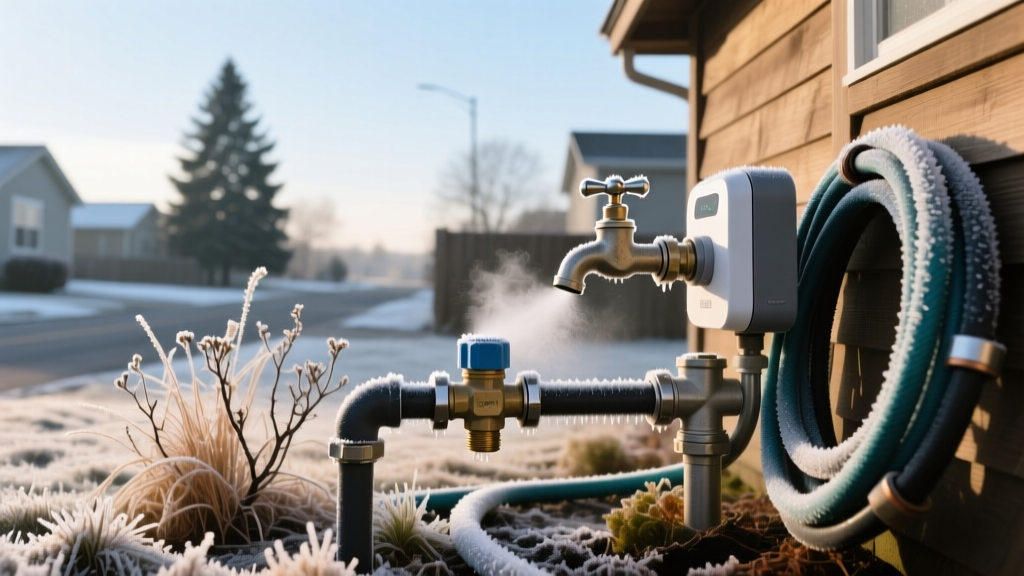
How to Winterize Smart Irrigation and Outdoor Plumbing
Anna KowalskiPublished
As autumn leaves fall and temperatures begin their inevitable descent, homeowners must shift their focus from lawn growth to landscape preservation. Winterizing your smart irrigation system and outdoor plumbing is not merely a seasonal chore; it is a critical defense mechanism against catastrophic freeze damage. When water freezes, it expands by approximately 9 percent in volume. This expansion exerts thousands of pounds of pressure per square inch, easily rupturing PVC pipes, shattering brass valves, and destroying the intricate internal mechanisms of smart sprinkler controllers. According to the EPA WaterSense program, proper seasonal maintenance of outdoor water systems not only prevents costly structural damage but also ensures long-term water efficiency when spring arrives.
Understanding the Vulnerability of Smart Irrigation Systems
Modern smart irrigation systems, such as those utilizing Wi-Fi-enabled controllers from brands like Rachio or Orbit B-hyve, are marvels of landscape technology. They integrate hyper-local weather data, soil moisture sensors, and automated flow meters to optimize water usage. However, this technological sophistication introduces new vulnerabilities during freezing weather. While the digital brain of the controller is safe indoors or in a sealed garage, the field components—smart valves, flow sensors, master valves, and backflow preventers—are entirely exposed to the elements. A single frozen smart valve can cost upwards of $150 to replace, not including the labor and landscape repair required to excavate it. The Irrigation Association strongly recommends a comprehensive blowout and drainage protocol to protect these investments before the first hard freeze.
Step-by-Step Guide to Winterizing Smart Controllers
Before addressing the physical pipes, you must properly configure your smart irrigation software. Leaving your system on a dormant schedule can lead to accidental watering during unseasonal winter thaws, which then freezes overnight, creating dangerous ice hazards on your lawn and walkways.
1. Activate Winter Mode
Open your smart irrigation app and locate the system settings. Most premium controllers feature a dedicated 'Winterize' or 'Standby' mode. This function suspends all scheduled watering while retaining your zone configurations, run times, and seasonal adjustment data in the cloud.
2. Disconnect and Store Sensors
If you utilize wireless rain or soil moisture sensors mounted on fences or roofs, bring them indoors. Extreme cold and ice storms can degrade the battery life and damage the external casing of these sensitive instruments.
3. Shut Off the Main Water Supply
Locate the main shut-off valve for your irrigation system. This is typically found indoors, in a basement, or in a heated crawl space. Turn the valve to the 'off' position to ensure no municipal water pressure can force its way into the vulnerable outdoor lines.
Draining and Blowing Out Outdoor Plumbing Lines
Simply turning off the water is insufficient. Residual water trapped in the low points of your piping network will freeze and cause catastrophic failures. The most effective method for clearing these lines is the compressor blowout technique.
Equipment Requirements
To safely blow out a residential irrigation system, you need an air compressor capable of delivering high volume, not just high pressure. A standard 5-gallon pancake compressor will not suffice. You need a compressor that delivers between 10 and 25 Cubic Feet per Minute (CFM) for standard 1-inch residential lines, and up to 80 CFM for larger properties.
The Blowout Procedure
- Connect the Compressor: Attach the air hose to the system's blowout port using a quick-connect fitting. Ensure the connection is secure to prevent whip-back injuries.
- Regulate the Pressure: This is the most critical safety step. NEVER exceed 80 PSI for rigid PVC piping systems, and NEVER exceed 50 PSI for flexible polyethylene (poly) piping. Excessive pressure can cause pipes to explode underground or send shrapnel flying from sprinkler heads.
- Clear Zone by Zone: Close the main valve and open the first zone manually via the controller's test mode or the manual bleed screw on the valve. Allow the air to push the water out until only a fine mist is visible. Close the zone and move to the next.
- Drain the Backflow Preventer: Open the test cocks on your backflow prevention device to a 45-degree angle and open the shut-off valves to release trapped water. If your device is above ground, insulate it with a specialized foam cover or wrap it in thermal insulation tape.
Preparing Outdoor Kitchens and Faucets for Freezing Temps
Outdoor living spaces have evolved from simple patios to fully equipped kitchens featuring sinks, ice makers, and beverage coolers. These amenities require specialized winterization to prevent indoor water damage and outdoor appliance failure.
Winterizing Outdoor Sinks and Ice Makers
Turn off the dedicated water supply lines to your outdoor kitchen. Open the outdoor faucets to drain residual pressure. For the P-traps located beneath the sink and inside the ice maker, draining them completely is difficult due to their U-shape. Instead, pour a non-toxic, propylene glycol-based RV antifreeze into the drains. Do not use automotive ethylene glycol antifreeze, as it is highly toxic to pets and wildlife. According to experts at The Family Handyman, protecting hose bibbs and outdoor sinks with proper drainage and non-toxic antifreeze is essential for avoiding cracked porcelain and ruined cabinetry.
Protecting Standard Hose Bibbs
For standard outdoor faucets, shut off the interior supply valve and open the exterior handle to let it drain. Install a foam faucet cover, which typically costs between $5 and $10 at local hardware stores, to provide an extra layer of thermal insulation against biting winds.
Cost Breakdown: DIY vs. Professional Winterization
Deciding whether to tackle winterization yourself or hire a licensed professional depends on your equipment access, property size, and comfort level with high-pressure machinery. Below is a comparative analysis of the costs and considerations for each approach.
| Method | Equipment Needed | Estimated Cost | Time Required | Risk Level |
|---|---|---|---|---|
| Manual Drain Valves | None (System dependent) | $0 | 1-2 Hours | Low (Risk of incomplete drainage) |
| DIY Compressor Blowout | High-CFM Air Compressor, Hoses | $50-$150 (Rental) | 2-4 Hours | High (Pipe damage if PSI is wrong) |
| Professional Blowout Service | None (Provided by contractor) | $75-$250 | 1-2 Hours | Very Low (Insured and guaranteed) |
| Outdoor Kitchen Winterization | RV Antifreeze, Foam Covers | $20-$40 | 1 Hour | Low |
For properties with complex smart irrigation networks or extensive outdoor plumbing, hiring a licensed irrigation contractor is often the most cost-effective choice when factoring in the rental cost of commercial-grade tow-behind compressors.
Spring Reactivation Checklist
When the threat of frost has passed, reactivating your system requires care to prevent water hammer—a shockwave caused by sudden water pressure surges that can blow apart sprinkler joints.
- Slowly open the main water valve to allow pipes to fill gradually.
- Inspect all backflow preventers and smart valves for leaks before pressurizing the zones.
- Run a manual test cycle through your smart controller app to verify that nozzles are not clogged with winter debris and that spray patterns are correctly aligned.
- Check your smart controller's Wi-Fi connection and install any pending firmware updates to ensure accurate weather tracking.
- Recalibrate your smart controller's seasonal adjustment settings to match spring precipitation levels.
By dedicating a single weekend to comprehensive seasonal maintenance, you safeguard your landscape infrastructure, ensuring your smart home integrations and outdoor living spaces remain pristine and functional for years to come.
