Home & Garden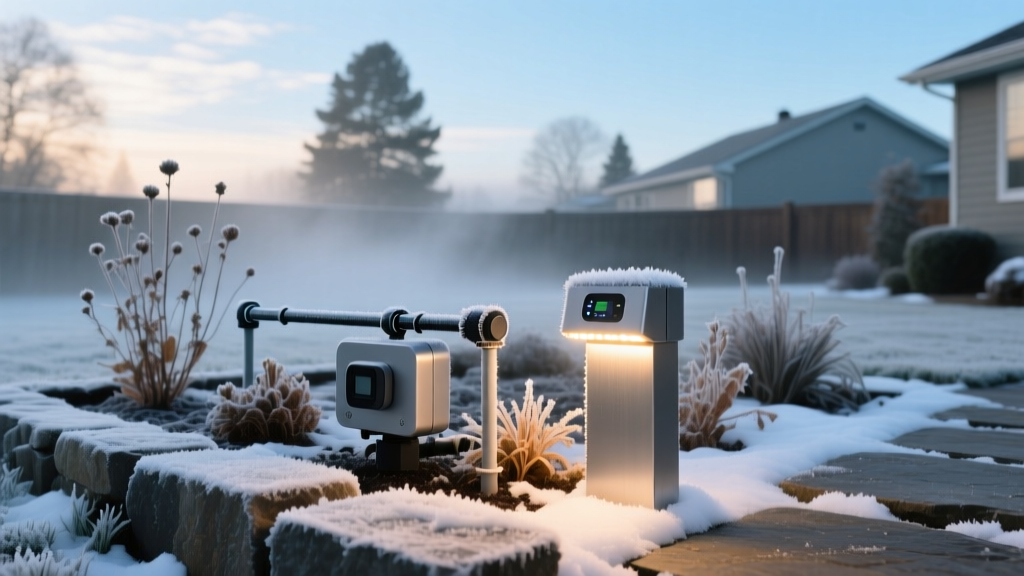
How to Winterize Smart Irrigation and Outdoor Lighting
James MillerPublished
The Hidden Costs of Neglecting Seasonal Maintenance
As the vibrant hues of autumn give way to the crisp chill of winter, homeowners must shift their focus from cultivating growth to protecting their outdoor investments. Modern landscapes are no longer just about grass and shrubs; they are complex networks of smart home technology, energy-efficient lighting, and precision irrigation systems. While these upgrades drastically improve convenience and curb appeal, they also introduce new vulnerabilities when temperatures drop below freezing. Failing to properly winterize your smart irrigation and outdoor lighting can result in cracked PVC pipes, shattered sprinkler heads, corroded electrical connections, and hundreds of dollars in repair costs.
According to the EPA WaterSense program, proper seasonal maintenance of irrigation systems is essential not only for preventing structural damage but also for ensuring long-term water conservation efficiency. A single cracked pipe hidden beneath the soil can waste thousands of gallons of water before you even notice it in the spring. Similarly, outdoor electrical fixtures exposed to winter moisture and freezing cycles can short-circuit, posing a fire hazard or destroying your smart home hubs. This comprehensive guide will walk you through the exact steps, tools, and costs associated with winterizing your outdoor technology.
Step-by-Step Guide to Winterizing Smart Irrigation Systems
Winterizing an irrigation system—often referred to as a "blowout" or "drain down"—is the process of removing standing water from the pipes, valves, and sprinkler heads. The method you choose depends on your climate and the specific design of your system.
1. Shut Off and Drain the Main Water Supply
Before doing anything else, locate the main shut-off valve for your irrigation system. This is typically found indoors, in a basement, or in a heated crawl space, upstream of the backflow preventer. Turn the valve to the closed position. Next, open the manual drain valves located at the lowest points of your irrigation zones. If your system is equipped with automatic drain valves, simply run a single station on your smart controller to relieve the system pressure, which will trigger the automatic drains to open and empty the lines.
2. The Blowout Method: Safety and PSI Limits
In regions where the ground freezes deeply, draining alone is insufficient. You must use an air compressor to force the remaining water out of the lines. Penn State Extension experts strongly caution against using excessive air pressure, which can turn plastic sprinkler heads into dangerous projectiles. For rigid PVC pipe systems, never exceed 50 PSI. For flexible polyethylene pipe systems, do not exceed 80 PSI. Connect your compressor to the system's blowout port using a quick-connect hose, and blow out each zone individually until only a fine mist is visible from the sprinkler heads. Always wear ANSI-approved safety goggles during this process.
3. Protecting Smart Controllers and Sensors
Smart irrigation controllers from brands like Rachio, Hunter (Hydrawise), and Netro rely on internal Wi-Fi modules and external soil moisture sensors. While the main controller unit is usually mounted indoors or in a protected garage, the external rain sensors and soil probes are exposed to the elements. Disconnect the external rain sensor and store it in a dry place if possible. For your main smart controller, activate the "Rain Delay" or "Winterize" mode via the mobile app. This disables all scheduled watering while keeping the Wi-Fi module connected so you can continue to receive firmware updates and monitor system diagnostics throughout the winter.
4. Insulating Above-Ground Components
The backflow preventer and any above-ground master valves are highly susceptible to freeze damage. After draining these components, wrap them in specialized foam insulation covers or use fiberglass pipe wrap tape secured with UV-resistant zip ties. Do not use standard plastic sheeting, as it traps moisture and accelerates corrosion on brass and copper fittings.
Winterizing Outdoor and Smart Lighting
Outdoor lighting bridges the gap between indoor comfort and exterior aesthetics. However, winter weather can degrade seals, dim LED output, and damage the low-voltage transformers that power your smart lighting network.
1. Cleaning Fixtures and Replacing Seals
Before the first snowfall, wipe down all path lights, uplights, and hardscape fixtures with a soft cloth and a mild, non-abrasive cleaner. Dirt and organic debris can trap moisture against the metal or composite housings, leading to premature oxidation. Inspect the rubber O-rings and silicone gaskets on every fixture. If a seal feels brittle or shows visible cracking, replace it immediately. Apply a thin layer of dielectric grease to the bulb sockets and wire connections to repel moisture and prevent galvanic corrosion between dissimilar metals.
2. Transformer and Smart Hub Maintenance
The low-voltage transformer is the heart of your outdoor lighting system. Open the transformer housing and check for signs of moisture intrusion, insect nests, or rodent damage. Ensure all wire connections are tight and secured with waterproof silicone-filled wire nuts. If your system utilizes a smart hub that plugs into an exterior GFCI outlet, verify that the outlet's weatherproof cover is fully intact and closes securely over the plug. For integrated smart transformers, log into the manufacturer's app to ensure the firmware is up to date before the harsh weather sets in.
3. Adjusting Timers for Winter Solstice
As daylight hours shrink dramatically in late autumn, your lighting schedules must adapt. DarkSky International advocates for responsible outdoor lighting practices to minimize light pollution and protect local wildlife. Instead of leaving path lights on all night, use your smart lighting app to set a schedule that turns lights on at dusk and off by 11:00 PM, utilizing motion sensors for security needs during the late-night hours. This not only reduces energy consumption but also extends the lifespan of your LED fixtures.
Cost Breakdown: DIY vs. Professional Winterization
Deciding whether to tackle seasonal maintenance yourself or hire a licensed landscape professional depends on your budget, available tools, and comfort level with pressurized systems and electrical components. Below is a comparative breakdown of typical costs and time investments for a standard residential property (up to 10 zones and 20 lighting fixtures).
| Service | DIY Cost | Professional Cost | Time Required |
|---|---|---|---|
| Irrigation Blowout | $30 - $80 (Compressor rental) | $75 - $150 | 2 - 4 Hours |
| Lighting Maintenance | $15 - $40 (Grease, seals) | $100 - $250 | 1 - 3 Hours |
| Smart Hub Winterization | $0 | $50 (Service call) | 30 Minutes |
Pro Tip: Many landscaping companies offer bundled "winterization packages" in late October and November. Booking your irrigation blowout and lighting maintenance together can often yield a 15% to 20% discount compared to hiring separate specialized contractors.
Essential Tools and Materials Checklist
If you opt for the DIY route, gather the following supplies before you begin your weekend maintenance marathon:
- Air Compressor: Capable of delivering 10-25 CFM (cubic feet per minute) at 50-80 PSI. Standard home garage compressors often lack the volume required for a proper blowout.
- Quick-Connect Hose Adapters: To safely connect the air hose to your irrigation blowout port.
- Dielectric Grease: For waterproofing electrical connections in lighting fixtures.
- Silicone-Filled Wire Nuts: For replacing any degraded outdoor wire splices.
- Insulation Pouches: Specifically designed foam covers for backflow preventers and outdoor faucets.
- Soft-Bristle Brush and Mild Detergent: For cleaning glass and metal lighting lenses without scratching.
Conclusion
Seasonal maintenance is the unsung hero of landscape management. By dedicating a single weekend in late autumn to properly winterize your smart irrigation and outdoor lighting, you protect your home from catastrophic water damage, reduce unnecessary energy consumption, and ensure that your outdoor living spaces are ready to shine the moment spring arrives. Embrace the transition of the seasons, and let your smart home technology work for you, not against you, all year long.
