Home & Garden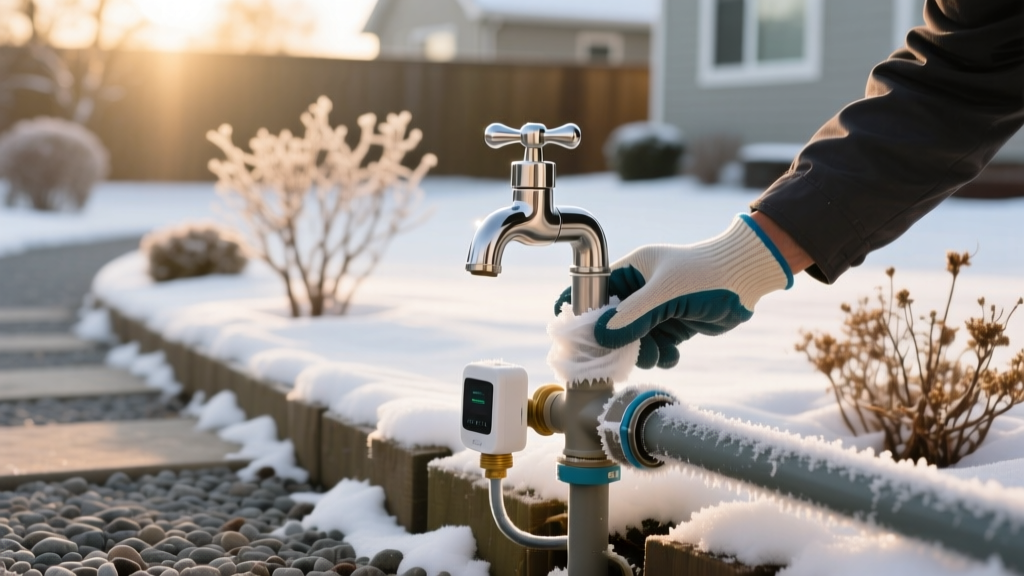
Winterize Smart Irrigation Systems & Outdoor Faucets
Lisa ThompsonPublished
The Hidden Vulnerability of Smart Irrigation Systems
As the vibrant colors of autumn give way to the frosty mornings of late fall, homeowners must shift their focus from lush landscape cultivation to critical seasonal maintenance. While smart irrigation controllers from brands like Rachio, Hunter, and Orbit have revolutionized outdoor water management by using local weather data and soil moisture sensors to optimize watering schedules, they cannot protect your physical plumbing from the destructive forces of freezing water. A smart controller knows when it is too cold to water, but it cannot empty the pipes buried in your yard.
When water freezes, it expands by approximately 9%, generating thousands of pounds of pressure per square inch. This expansion is more than enough to rupture PVC pipes, shatter brass valves, and destroy the internal diaphragms of your sprinkler heads. According to the EPA WaterSense program, proper seasonal maintenance of outdoor irrigation systems is essential not only for conserving water but also for preventing catastrophic property damage and expensive springtime repairs. Winterizing your system is not optional; it is a mandatory seasonal chore that bridges the gap between smart home technology and physical landscape preservation.
Essential Tools for Seasonal Winterization
Before you begin the winterization process, gather the necessary tools. If you are opting for the compressed air blow-out method, safety and precision are paramount.
- Air Compressor: Capable of delivering 10 to 25 cubic feet per minute (CFM). Standard household tire inflators will not work.
- Quick-Connect Air Hose Fittings: To safely connect the compressor to your irrigation blow-out port.
- Teflon Tape & Pipe Thread Sealant: For resealing any connections or hose bibb caps.
- Insulating Foam Covers: Specifically designed for outdoor hose bibbs and faucets.
- Adjustable Wrench & Screwdrivers: For removing drain valve caps and accessing the main shut-off.
- Smart Controller Manual: Or access to the manufacturer's mobile app to adjust seasonal settings.
Step-by-Step Guide to Winterizing Your Sprinkler System
Step 1: Shut Off the Main Water Supply
Locate the main shut-off valve for your irrigation system. This is typically found indoors, in a basement, crawlspace, or utility closet, situated just after the water meter or main house shut-off. Turn the valve to the closed position to stop the flow of water to the exterior. If your system has a backflow preventer located outside, you must also close the test cocks and shut-off valves on the device itself. Leave the ball valves at a 45-degree angle to prevent water from trapping inside the brass housing and cracking it during a freeze.
Step 2: Depressurize and Drain the Backflow Preventer
Once the water is off, open the bleeder valves on your backflow preventer to release the trapped pressure. Water will sputter out and then stop. Unscrew the drain caps at the bottom of the device to allow any remaining water to escape. Leave these caps off or loosely threaded throughout the winter to ensure condensation can escape and prevent a vacuum lock.
Step 3: Choose Your Drainage Method
Depending on how your system was installed, you will use one of three methods to clear water from the underground lateral lines: manual drain, automatic drain, or compressed air blow-out. The University of Minnesota Extension notes that while drain valves work well for perfectly sloped yards, the blow-out method remains the gold standard for ensuring zero water retention in uneven landscapes.
Step 4: The Compressed Air Blow-Out Method
If your system lacks drain valves or your yard has varying elevations, you must use an air compressor to force the water out through the sprinkler heads. Connect your compressor to the system's blow-out port using a quick-connect fitting.
According to the Colorado State University Extension, 'The compressor must be able to provide a volume of 10 to 25 cubic feet per minute (CFM) at a pressure not to exceed 50 PSI for polyethylene piping or 80 PSI for PVC piping.'
Never exceed these PSI limits, as high-pressure air can melt plastic pipes through friction heat or shatter PVC fittings. Activate one zone at a time using your smart controller's manual test mode. Run the air until the sprinkler heads emit a fine, misty vapor rather than solid streams of water. Move to the next zone and repeat until the entire system is cleared.
Step 5: Configure Your Smart Controller
Once the physical lines are empty, address the brain of your operation. Do not simply unplug your smart controller, as this may erase your customized zoning data, soil types, and plant-specific watering schedules. Instead, use the manufacturer's app to put the system into 'Rain Delay', 'Standby', or 'Winter Mode'. This suspends all scheduled watering while keeping your Wi-Fi connection active, allowing the device to receive firmware updates over the winter.
Winterization Methods Comparison Chart
| Method | Best For | Estimated Cost | Skill Level |
|---|---|---|---|
| Manual Drain | Flat yards with accessible manual drain valves | $0 (DIY) | Beginner |
| Automatic Drain | Systems with auto-drain valves at low points | $0 (DIY) | Beginner |
| Compressed Air Blow-Out | All systems, especially uneven terrain or clay soils | $50-$150 (Pro) or Compressor Rental | Advanced / Professional |
Protecting Outdoor Faucets and Hose Bibbs
Outdoor faucets, or hose bibbs, are frequent culprits for winter water damage. Many modern homes are equipped with frost-free sillcocks, which feature a long stem that places the actual shut-off valve deep inside the heated envelope of your home. However, even frost-free faucets will freeze and burst if a garden hose is left attached during the winter, as the hose traps water inside the brass barrel, preventing it from draining.
Actionable Steps for Hose Bibbs:
- Disconnect All Hoses: Remove garden hoses, splitters, and timers. Drain the hoses and store them in a garage or shed.
- Shut Off Interior Valves: If you have standard (non-frost-free) hose bibbs, locate the interior shut-off valve inside your basement or crawlspace. Turn it off, then go outside and open the exterior faucet to drain the remaining water.
- Install Insulated Covers: Purchase rigid foam hose bibb covers (typically $5 to $10 each at hardware stores). These covers strap tightly against the siding, creating a pocket of dead air that insulates the faucet from sub-zero wind chills.
Integrating Smart Home Leak and Freeze Detectors
Modern seasonal maintenance extends beyond physical wrenches and valves; it includes leveraging smart home ecosystems to monitor your property's transition points. The areas where your outdoor plumbing meets your indoor plumbing are highly susceptible to freezing drafts. Installing smart water and freeze sensors near your interior irrigation shut-off valves, backflow preventers, and basement hose bibb access points provides an early warning system.
Devices like the Moen Flo or Phyn Smart Water Monitors can detect micro-leaks and sudden temperature drops. If a sensor placed near your main irrigation shut-off detects ambient temperatures dropping below 35°F, it can send an immediate push notification to your smartphone. Some advanced smart water valves can even automatically shut off your home's main water supply if a catastrophic pipe burst is detected while you are away on a winter vacation, bridging the gap between outdoor seasonal care and indoor disaster prevention.
DIY vs. Professional Winterization Costs
Deciding whether to winterize the system yourself or hire a professional depends on your equipment and comfort level. Renting a commercial-grade, tow-behind air compressor from a local equipment rental yard typically costs between $75 and $120 per day. If you only have a standard residential system, hiring a licensed landscaping or irrigation professional to perform a blow-out is often more cost-effective and significantly safer. Professional winterization services generally charge between $50 and $150, depending on the number of zones and the accessibility of your backflow preventer. Paying a professional also transfers the liability; if a pipe is damaged due to improper PSI during a professional blow-out, the contractor's insurance covers the springtime repair.
Conclusion
Winterizing your smart irrigation system and outdoor faucets is a critical seasonal maintenance task that protects your landscape investment and your home's structural integrity. By understanding the physical limitations of smart technology, adhering to strict PSI guidelines during blow-outs, and properly insulating your hose bibbs, you ensure that your outdoor living spaces are ready to thrive when spring returns. Take the time this autumn to drain, cover, and configure your systems, securing peace of mind throughout the freezing winter months.
