Home & Garden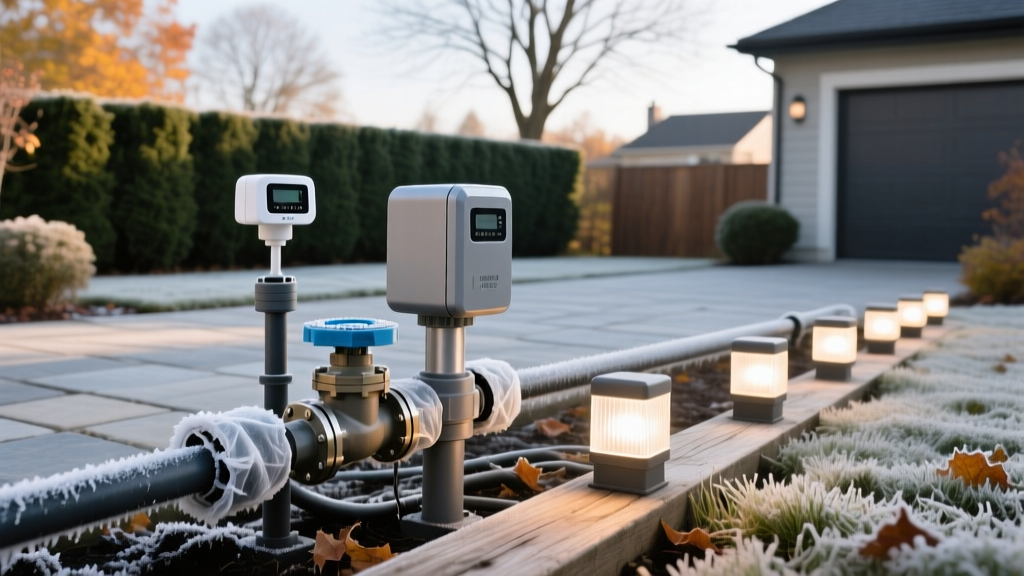
How to Winterize Smart Irrigation and Outdoor Lighting
Mike RodriguezPublished
Why Winterizing Your Smart Outdoor Systems is Crucial
Bridging the gap between indoor smart home convenience and outdoor landscaping requires year-round vigilance. As temperatures drop, the sophisticated technology that keeps your lawn pristine and your patio beautifully illuminated becomes highly vulnerable to the elements. Water left inside irrigation pipes expands when it freezes, leading to cracked PVC, shattered smart valves, and destroyed backflow preventers. Similarly, winter moisture and freezing cycles can corrode outdoor lighting fixtures and short-circuit smart transformers.
According to the EPA WaterSense program, proper seasonal maintenance of your irrigation system not only prevents costly water waste from hidden leaks but also extends the lifespan of your expensive smart controllers and sensors. Ignoring seasonal maintenance can result in thousands of dollars in landscape damage and system replacements. This comprehensive guide will walk you through the exact steps, tools, and smart-home integrations needed to properly winterize your outdoor tech.
Step-by-Step Guide to Winterizing Smart Irrigation
Winterizing an irrigation system is not as simple as turning off a switch. It requires a methodical approach to ensure every drop of water is removed from the zones, valves, and mainlines.
1. Shut Off the Main Water Supply
Locate the main shut-off valve for your irrigation system, which is typically found indoors or in a heated basement to prevent freezing. Turn the valve to the off position. If your system has a backflow preventer located above ground, you must also shut off the valves on the backflow device itself and open the test cocks to release trapped pressure.
2. Drain the Pipes Using the Blow-Out Method
While manual drain valves exist, the most effective way to clear water from modern smart irrigation systems is the air compressor blow-out method. The University of Minnesota Extension strongly recommends this method for regions with hard freezes. Connect an air compressor to your system's blow-out port using a quick-connect hose.
- Compressor Requirements: You need a compressor capable of delivering 10 to 25 Cubic Feet per Minute (CFM).
- Pressure Limits: Never exceed 50 PSI for PVC piping systems or 80 PSI for polyethylene (poly) piping. High pressure can melt the plastic inside the pipes or destroy the diaphragms in your smart valves.
- Execution: Activate one zone at a time using your smart controller's manual test mode. Run the air until the sprinkler heads stop spraying water and only a fine mist is visible. Repeat for every zone.
3. Protect the Smart Controller and Sensors
A common mistake is simply unplugging a smart controller like a Rachio 3 or Hunter Hydrawise for the winter. Unplugging the device severs its Wi-Fi connection, preventing crucial over-the-air firmware updates and forcing you to reconfigure your network in the spring. Instead, access your controller's app and activate 'Rain Mode', 'Winter Sleep', or 'Standby'. This suspends all watering schedules while keeping the device connected to your smart home hub, preserving your custom zone maps and historical water usage data.
4. Insulate Above-Ground Components
Wrap your backflow preventer and above-ground valves with insulated foam covers or specialized insulated pouches. Secure them with duct tape or zip ties to keep out freezing winds and moisture. Expect to spend around $15 to $30 on high-quality foam insulation covers.
Preparing Smart Outdoor Lighting for Winter
Outdoor lighting does more than illuminate pathways; it provides essential security and extends your living space into the evening. Smart lighting systems, such as Philips Hue Outdoor, Ring Smart Lighting, or low-voltage landscape setups with smart transformers, require specific seasonal care to maintain optimal efficiency and connectivity.
1. Inspect, Clean, and Seal Fixtures
Winter weather brings snow, ice, and salt, which can degrade light output and damage seals. Wipe down all LED lenses with a soft cloth and a mild, non-abrasive glass cleaner to remove dirt and hard water spots. Check the silicone gaskets on each fixture. If a gasket is brittle or cracked, replace it immediately to prevent moisture ingress, which will destroy the internal smart chips and LED diodes. Apply a small amount of dielectric grease to the bulb sockets and wire connections to repel moisture and prevent corrosion.
2. Adjust Smart Timers and Sensors for Shorter Days
One of the greatest advantages of smart outdoor lighting is automation. As winter approaches, daylight hours shrink significantly. If your lights are set on fixed timers, they may be turning on too late to provide adequate security or pathway illumination. Access your smart lighting app and switch your schedules to 'Astronomical Timers' or 'Geofencing'. This allows the system to automatically trigger based on your exact local sunset times or when your smartphone enters the driveway perimeter, ensuring optimal energy use and security without manual adjustments.
3. Protect Transformers and Wiring
The U.S. Department of Energy notes that properly maintained outdoor lighting transformers are key to long-term energy efficiency. Inspect the smart transformer mounted to your home's exterior. Ensure the weatherproof seal around the conduit is tight and that no snow or ice can accumulate directly on the unit's ventilation fins. Check the low-voltage wiring runs across your garden beds; freeze-thaw cycles can cause the ground to heave, pushing wires to the surface where they are vulnerable to snow shovels and ice melt chemicals. Bury any exposed wires at least 6 inches deep.
Seasonal Maintenance Cost and Time Breakdown
Budgeting and planning for seasonal maintenance ensures you are never caught off guard by a sudden freeze. Below is a breakdown of the time and costs associated with winterizing your smart outdoor systems.
| Maintenance Task | Estimated Time | DIY Cost | Professional Cost |
|---|---|---|---|
| Irrigation Blow-Out | 1-2 Hours | $0 (if owned compressor) | $50 - $150 |
| Smart Controller Winterization | 15 Minutes | $0 | Included in service |
| Lighting Fixture Cleaning and Sealing | 1 Hour | $20 (grease and cleaner) | $75 - $125 |
| Transformer and Wiring Inspection | 30 Minutes | $0 | $50 - $100 |
Common Mistakes to Avoid
Even seasoned homeowners can make critical errors when closing down their outdoor systems. Avoid these common pitfalls:
- Using High-Pressure Air: As mentioned, exceeding 50-80 PSI during a blow-out will cause catastrophic friction damage to your pipes and smart valves.
- Forgetting the Mainline Drain: The mainline runs from your indoor shut-off to the outdoor backflow preventer. If this section is not drained via a dedicated boiler drain valve, it will freeze and burst inside your foundation or exterior wall.
- Ignoring Smart Hub Integrations: If you use IFTTT (If This Then That) or smart home routines to trigger your sprinklers based on local weather data, ensure these applets are disabled. A glitchy weather API could inadvertently trigger a winter watering cycle.
- Using Rock Salt Near Lighting: When clearing snow and ice from your driveway and walkways, avoid using harsh sodium chloride rock salt near your low-voltage smart lighting fixtures. The corrosive runoff will quickly eat away at aluminum and brass fixture housings. Opt for pet-safe, plant-safe magnesium chloride ice melters instead.
Conclusion
Winterizing your smart irrigation and outdoor lighting systems is a vital component of holistic home and garden care. By taking a few hours in the late autumn to properly blow out your irrigation lines, update your smart controller settings, and seal your landscape lighting fixtures, you protect your financial investment and ensure your outdoor space is ready to shine the moment spring arrives. Embrace these seasonal maintenance routines to keep your smart home ecosystem running flawlessly, no matter what the weather brings.
