Home & Garden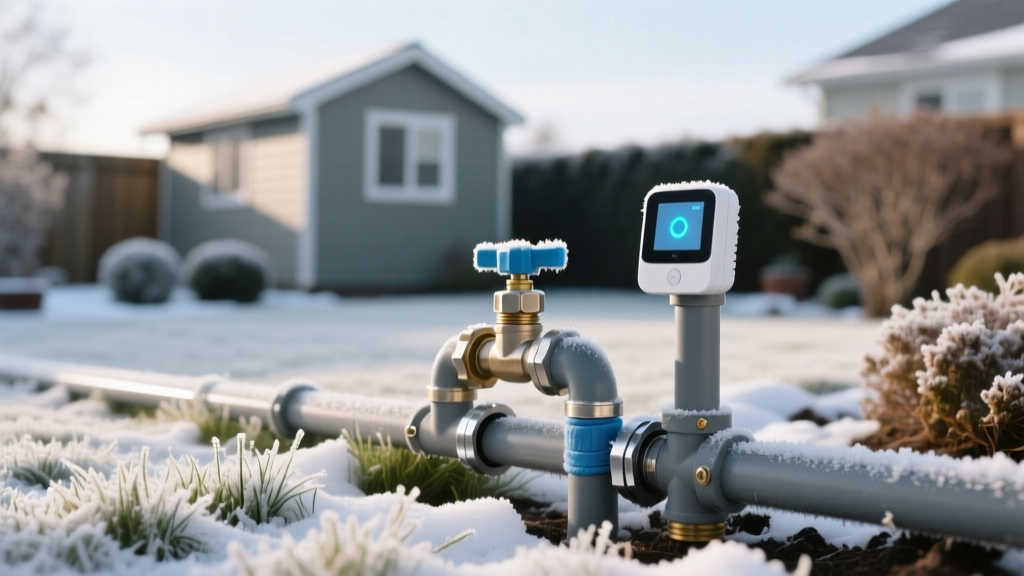
How to Winterize Smart Irrigation and Outdoor Pipes
Emily WatsonPublished
Why Winterizing Your Smart Irrigation System is Crucial
As autumn leaves fall and temperatures begin their inevitable dip, homeowners must shift their focus from lawn growth to landscape preservation. Winterizing your outdoor water infrastructure is not just a seasonal chore; it is a critical defense against catastrophic property damage. When water freezes, it expands by approximately 9%. This expansion generates immense pressure inside closed pipes, valves, and sprinkler heads, easily exceeding 100,000 PSI. This pressure is more than enough to rupture PVC pipes, shatter brass fittings, and destroy expensive smart irrigation components.
According to the EPA WaterSense program, an improperly maintained irrigation system can waste thousands of gallons of water and lead to severe landscape erosion. However, in the winter, the risk shifts from water waste to structural failure. A single cracked backflow preventer or burst mainline can result in thousands of dollars in water damage and landscape restoration costs once the spring thaw arrives. Proper seasonal maintenance ensures your system survives the freeze-thaw cycle intact.
Step-by-Step Guide to Winterizing Smart Sprinklers
1. Shut Off the Water Supply and Drain the Backflow Preventer
The first step in any winterization process is to isolate the irrigation system from the main water supply. Locate the primary shut-off valve, which is typically found indoors or in a heated crawl space. Once closed, you must address the backflow preventer. This device, required by municipal codes to prevent contaminated water from flowing back into your home's drinking supply, is highly vulnerable to freezing.
- Turn off the isolation valves: Close the two valves located on either side of the backflow device.
- Open the test cocks: Use a flathead screwdriver to open the small brass test cocks to a 45-degree angle, allowing trapped water to escape.
- Insulate the device: Wrap the backflow preventer in an R-50 rated insulated cover (such as the Frost King or DuckBrand outdoor faucet and valve covers, typically costing $20 to $40). Do not rely on standard towels or thin foam, as they offer negligible thermal resistance during deep freezes.
2. Choose Your Draining Method
Evacuating water from the lateral lines and sprinkler heads is the most labor-intensive part of the process. The method you choose depends on how your system was originally installed. Industry experts, including those at Rain Bird, emphasize that leaving water in the lines is a guaranteed recipe for springtime disasters.
| Method | System Requirement | Estimated Time | Effectiveness | Risk Level |
|---|---|---|---|---|
| Manual Drain | Manual drain valves at low points | 1-2 Hours | Moderate (Water may pool in low spots) | Low |
| Automatic Drain | Automatic drain valves (drain at <10 PSI) | 30-60 Minutes | High (If valves are functioning properly) | Low |
| Compressed Air Blow-Out | Standard PVC or Polyethylene piping | 2-4 Hours | Very High (Removes nearly all water) | Moderate (Requires strict PSI monitoring) |
The Blow-Out Method (The Gold Standard): If you live in a region with hard, sustained freezes (USDA Zones 6 and below), a compressed air blow-out is highly recommended. This involves connecting a high-capacity air compressor to the mainline via a blow-out port. Warning: Never use a standard home garage compressor. You need a tow-behind or commercial compressor capable of delivering 10 to 25 Cubic Feet per Minute (CFM). Furthermore, you must strictly regulate the air pressure. For rigid PVC pipes, never exceed 80 PSI. For flexible polyethylene pipes, keep the pressure below 50 PSI. Exceeding these limits can cause friction heat to melt plastic pipes or turn shrapnel into dangerous projectiles.
3. Protect the Smart Controller and Sensors
Smart irrigation controllers like the Rachio 3, Hunter Hydrawise, or Orbit B-hyve are designed to optimize watering schedules using local weather APIs. However, a common misconception among homeowners is that the 'Smart Freeze Skip' feature physically protects the pipes. It does not. This software feature only prevents the system from running during a freeze; it cannot remove water already sitting in the lateral lines.
To protect the hardware itself, ensure your outdoor smart controller enclosure is completely sealed against moisture. If your controller is installed in an unheated garage or shed, the internal electronics are generally safe from freezing, but the transformer and wiring connections can corrode if exposed to winter humidity. For added smart home integration, consider pairing your controller with a smart freeze sensor that sends push notifications to your phone if the ambient temperature around the controller drops below 35°F.
Winterizing Outdoor Plumbing and Spigots
Beyond the irrigation system, your exterior hose bibbs (spigots) require immediate attention. Many modern homes are equipped with 'frost-free' hose bibbs. These feature a valve stem that extends 12 to 24 inches into the heated envelope of your home, meaning the actual water shut-off point is safely inside your warm walls.
However, as noted by home improvement authorities like Bob Vila, a frost-free bibb becomes completely useless if a garden hose is left attached. An attached hose traps water in the stem, preventing it from draining outward and guaranteeing a frozen, burst pipe inside your wall. Always disconnect, drain, and store all garden hoses before the first frost.
For older homes with standard hose bibbs, you must shut off the interior supply valve and open the exterior spigot to let it drain. Afterward, install a rigid foam insulated spigot cover (usually priced around $8 to $15). Secure it tightly using the provided rubber gasket and interior loop to ensure no cold air drafts reach the brass fixture.
Smart Home Integration for Freeze Protection
For the tech-savvy homeowner, bridging indoor smart home ecosystems with outdoor maintenance offers an extra layer of security. If your home is equipped with a smart water shutoff valve (such as the Moen Flo or Phyn Plus), you can create automated routines to protect your plumbing.
Pro Tip: Use platforms like IFTTT (If This Then That) or your native smart home app (Apple HomeKit, SmartThings) to link local weather APIs to your smart water valve. Set a trigger: 'If local temperature drops below 32°F for more than 2 hours, shut off the main water valve and send a critical alert to my smartphone.' This ensures that even if a pipe begins to leak due to a micro-fracture, the water supply is instantly cut off, preventing interior flooding.
Cost Breakdown: DIY vs. Professional Blow-Out
Deciding whether to winterize the system yourself or hire a professional depends on your equipment access and comfort level with high-pressure pneumatics.
- DIY Blow-Out Costs: Renting a commercial-grade, tow-behind air compressor (like a Mi-T-M or Sullair) from a local equipment rental yard typically costs between $40 and $70 per day. You will also need to purchase a brass blow-out adapter ($15) and Teflon tape ($3). Total DIY cost: $58 to $88.
- Professional Service Costs: Hiring a licensed irrigation contractor to perform a blow-out usually costs between $50 and $150, depending on the number of zones in your system (typically $5 to $12 per zone). Professionals carry commercial liability insurance, meaning if a pipe cracks during the blow-out process, the repair costs are covered by their policy, not your homeowner's insurance.
Spring Reactivation Checklist
Proper winterization makes spring reactivation significantly easier. When the threat of hard freezes has completely passed (usually mid-April to early May, depending on your zone), slowly open the main water supply valve. Opening it too quickly can cause a 'water hammer' effect—a shockwave of pressure that can blow off sprinkler heads. Once the system is pressurized, run each zone manually via your smart controller app, checking for geysers, sunken heads, and misaligned spray patterns before transitioning back to your automated, weather-based smart watering schedule.
