Home & Garden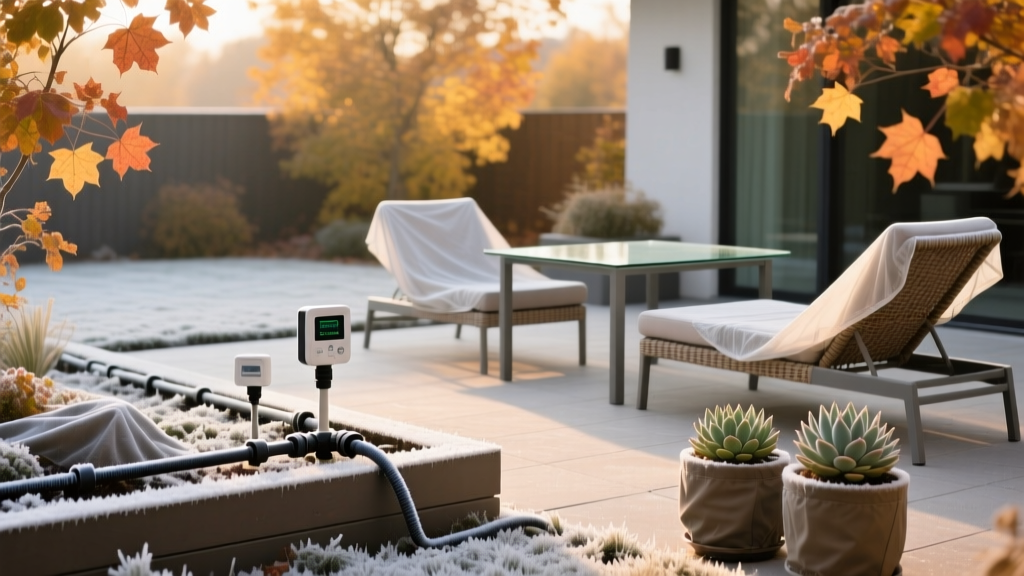
Winterize Smart Irrigation & Outdoor Living Spaces
Lisa ThompsonPublished
The Critical Need for Fall Winterization
As autumn leaves begin to fall and temperatures dip, homeowners must shift their focus from active gardening and outdoor entertaining to essential seasonal maintenance. Bridging the gap between indoor comfort and outdoor living requires meticulous care, especially when preparing your property for the harsh realities of winter. Neglecting to properly winterize your smart irrigation systems, high-end patio furniture, and garden-to-table raised beds can result in thousands of dollars in freeze damage, cracked hardscapes, and ruined landscaping investments. According to industry estimates, repairing a single burst underground PVC irrigation line can cost upwards of $500, not including the water damage to surrounding landscapes. This comprehensive guide provides actionable, step-by-step instructions to protect your outdoor living spaces and smart home integrations before the first hard freeze.
Winterizing Smart Irrigation Systems: Beyond the Basics
Modern smart irrigation controllers, such as the Rachio 3 or Hunter Hydrawise, have revolutionized lawn care by adjusting watering schedules based on local weather data. However, these intelligent systems still rely on physical pipes and valves that are highly susceptible to freezing. The most effective method for protecting your irrigation infrastructure is the 'blow-out' method, which uses compressed air to evacuate residual water from the lines.
The Blow-Out Process and Safety Limits
To perform an irrigation blow-out, you will need an air compressor capable of delivering 10 to 25 cubic feet per minute (CFM). It is crucial to regulate the air pressure to prevent damaging the pipes and sprinkler heads. For rigid PVC piping systems, the air pressure should never exceed 50 PSI. For flexible polyethylene piping, you can safely use up to 80 PSI. Always connect the compressor to the system's designated blow-out port using a quick-connect hose, and close the main water shut-off valve before introducing air. Cycle through each zone manually via your smart controller until only a fine mist is emitted from the sprinkler heads.
Once the physical lines are clear, you must properly configure your smart controller. Do not simply unplug the device, as this will erase your customized seasonal schedules and micro-climate settings. Instead, utilize the controller's 'Standby' or 'Rain Mode' feature. This suspends all watering activities while preserving your programming and maintaining the Wi-Fi connection for firmware updates. Furthermore, the EPA WaterSense program highly recommends auditing your system's rain and freeze sensors during this time to ensure they are free of debris and functioning correctly for the upcoming spring startup.
Preserving Outdoor Furniture and Decor
Your outdoor living room represents a significant financial investment, and different materials require distinct winterization protocols to survive freezing temperatures, snow load, and UV degradation.
Teak and Hardwood Care
Teak is prized for its natural oils and rot resistance, but it still requires autumn maintenance. Begin by scrubbing the furniture with a specialized golden teak cleaner and a soft-bristle brush to remove mildew and oxidation. Rinse thoroughly and allow it to dry for 48 hours. Avoid using traditional teak oils, which can trap moisture and promote mold growth in humid winter storage. Instead, apply a high-quality, water-based teak sealer (such as Semco or Star Brite) to lock in the wood's natural moisture and prevent winter cracking.
Metals and Textiles
Wrought iron and aluminum frames must be inspected for micro-abrasions. Wash the frames with a mild dish soap solution, rinse, and dry completely. Any signs of rust on wrought iron should be sanded down to bare metal and treated with a rust-inhibiting primer like Rust-Oleum Stops Rust, followed by a matching exterior enamel. For aluminum, a coat of automotive paste wax provides an excellent barrier against winter salt and acid rain. As for outdoor cushions and textiles, wash them according to manufacturer instructions, ensure they are bone-dry, and store them in sealed, climate-controlled bins. Tossing a few silica gel desiccant packs into the storage bins will absorb ambient moisture and prevent winter mildew.
Hardscape Sealing and Garden-to-Table Bed Prep
Hardscapes, such as natural flagstone patios, bluestone walkways, and concrete pavers, are porous and vulnerable to the freeze-thaw cycle. When water penetrates these materials and freezes, it expands, causing spalling, cracking, and heaving. Late fall is the ideal time to apply a penetrating siloxane or silane-based masonry sealer. Unlike surface film-forming sealers that can become slippery and peel, penetrating sealers sink deep into the pores to repel water while allowing the stone to breathe. Apply the sealer using a low-pressure pump sprayer when temperatures are consistently between 50°F and 80°F, ensuring at least 24 hours of dry weather post-application.
Preparing Raised Vegetable Beds
For garden-to-table enthusiasts, putting the raised beds to rest properly ensures a vibrant spring harvest. Remove all spent summer crops and debris to eliminate overwintering pests and fungal spores. The University of Minnesota Extension recommends planting a winter cover crop, such as hairy vetch or winter rye, about a month before the ground freezes. These crops prevent soil erosion, suppress winter weeds, and fix nitrogen in the soil. If you prefer not to plant cover crops, top your beds with a 2-to-3-inch layer of straw or shredded leaf mulch to insulate the soil microbiome and retain moisture.
Smart Home Integration for Winter Monitoring
Integrating your outdoor spaces with your smart home ecosystem provides peace of mind during the winter months. Install smart water leak and freeze detectors near your outdoor hose bibbs and interior shut-off valves. Devices like the Flo by Moen or Phyn Smart Water Assistant can monitor micro-leaks and automatically shut off your home's main water supply if a catastrophic pipe burst is detected. Additionally, ensure your smart home's exterior cameras are repositioned to monitor your hardscapes and patio furniture, and verify that your smart outdoor lighting schedules are adjusted for the shorter days of winter to maintain security and ambiance.
Seasonal Winterization Cost and Task Breakdown
Budgeting for seasonal maintenance helps homeowners avoid surprise expenses. Below is a structured breakdown of common winterization tasks, estimated costs, and time investments.
| Maintenance Task | Estimated Cost (DIY vs Pro) | Time Required | Recommended Frequency |
|---|---|---|---|
| Irrigation System Blow-Out | $50 (Rental) / $75-$150 (Pro) | 1 - 3 Hours | Annually (Late Fall) |
| Hardscape Penetrating Sealer | $80 - $150 per gallon | 2 - 4 Hours | Every 2 - 3 Years |
| Teak Furniture Cleaning & Sealing | $40 - $75 (Supplies) | 2 Hours + 48hr Dry | Annually |
| Smart Leak Sensor Installation | $50 - $200 per device | 30 - 60 Minutes | One-time Setup |
| Raised Bed Mulching / Cover Crop | $15 - $40 (Seed/Straw) | 1 - 2 Hours | Annually |
Late Fall and Early Winter Hydration
While winterizing often focuses on removing water, it is equally important to ensure your landscape enters dormancy fully hydrated. Evergreens, newly planted trees, and perennial garden beds are highly susceptible to winter desiccation—a condition where frozen ground prevents roots from taking up water, while harsh winter winds strip moisture from the foliage. The Colorado State University Extension advises homeowners to perform deep, slow waterings of their most vulnerable plants right up until the ground freezes solid. Using a soaker hose or a deep-root watering needle, deliver approximately 10 gallons of water per inch of tree trunk diameter. This vital late-season hydration builds cellular resilience, ensuring your landscape emerges healthy and vibrant when the spring thaw finally arrives.
Conclusion
Seasonal maintenance is the cornerstone of a resilient, beautiful, and functional outdoor living space. By taking the time to properly blow out your smart irrigation lines, seal your hardscapes, protect your patio furniture, and prep your garden beds, you safeguard your home's exterior investments against the unpredictable nature of winter. Embracing these proactive measures, alongside smart home monitoring technologies, ensures that when the warmer months return, your outdoor oasis will be ready to welcome you back without missing a beat.
