Gardening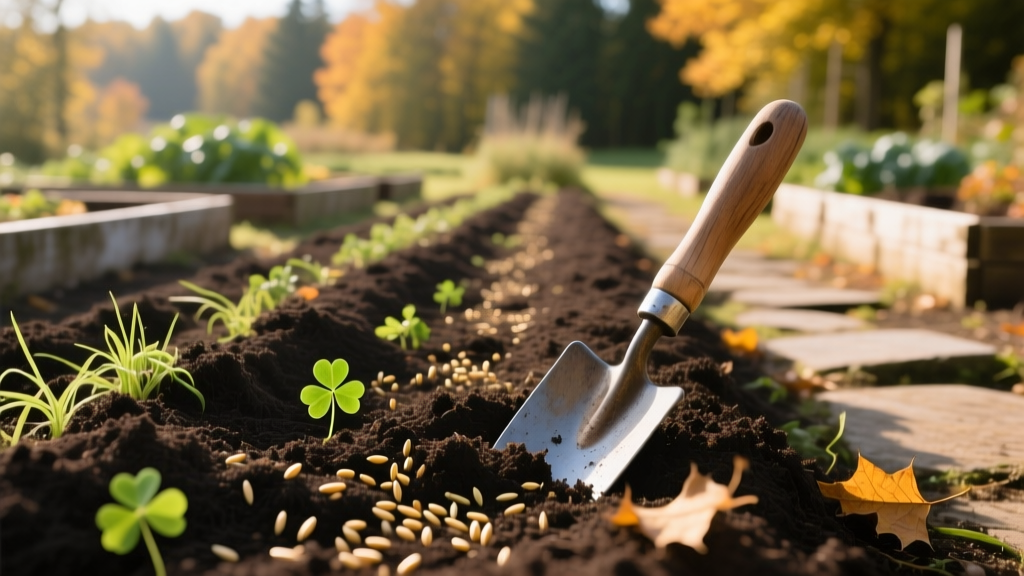
Winterizing Vegetable Gardens: Fall Soil Prep Guide
Anna KowalskiPublished
The Critical Role of Fall Garden Maintenance
As the growing season winds down and the first frost threatens, many gardeners are tempted to simply walk away from their vegetable beds until spring. However, from a seasonal maintenance and soil health perspective, autumn is arguably the most important time of the year. The actions you take between late September and early November dictate the vigor, disease resistance, and yield of your crops for the following year. Winterizing your vegetable garden is not just about tidying up; it is a proactive biological and structural process. By focusing on soil microbiology, pathogen eradication, and physical infrastructure maintenance, you can transform a depleted end-of-season plot into a thriving ecosystem ready for spring planting. This comprehensive guide will walk you through the exact steps, costs, and timing required to properly winterize your raised beds and in-ground vegetable gardens.
Step 1: Sanitation and Pathogen Eradication
The foundation of plant health is disease prevention, and fall cleanup is your first line of defense. Many destructive fungal and bacterial pathogens overwinter in plant debris. For example, Alternaria solani (Early Blight) and Septoria lycopersici (Septoria Leaf Spot) survive on the decaying tissue of solanaceous crops like tomatoes, peppers, and eggplants. Leaving this debris in the garden guarantees a reinfection cycle the moment spring humidity rises.
Targeted Debris Removal
Do not simply rototill dead plants into the soil. Instead, pull plants out by the roots. If the foliage shows any signs of blight, mildew, or mosaic viruses, do not compost it at home. Most home compost bins fail to reach the sustained 140°F to 160°F required to kill these pathogens. Bag the diseased material and send it to a municipal commercial composting facility or dispose of it in the trash. The cost of municipal green waste bags is typically around $5 to $10 per season, a small price to pay to protect a $500+ spring crop yield. For healthy plant matter, chop it into 2-inch pieces and add it to your home compost bin to accelerate decomposition before winter sets in.
Step 2: Soil Testing and Structural Amendments
Before adding any amendments, you must understand your soil's current chemical profile. Fall is the ideal time for soil testing because it allows slow-acting amendments to break down and integrate over the winter months.
Interpreting the Data
Order a comprehensive soil test from your local university extension office or a private lab like Logan Labs (costing approximately $20 to $30). Look specifically at your soil pH and Cation Exchange Capacity (CEC). Most vegetables thrive in a pH range of 6.2 to 6.8. If your test reveals a pH below 6.0, apply pelletized garden lime at a rate of 5 to 10 pounds per 100 square feet. If the pH is above 7.2, incorporate elemental sulfur at a rate of 1 to 2 pounds per 100 square feet. Applying these in October ensures they have time to alter the soil chemistry before April planting.
Next, focus on organic matter. Spread a 2-inch layer of aged compost or well-rotted manure over the surface of your beds. A cubic yard of bulk compost (costing $30 to $50) will cover approximately 160 square feet at this depth. Do not till it in; let the winter freeze-thaw cycles and earthworm activity incorporate it naturally, preserving the delicate mycorrhizal fungal networks in the soil.
Step 3: Raised Bed Hardware Maintenance
Seasonal health also applies to the physical structures housing your soil. Raised beds endure extreme temperature fluctuations, moisture, and soil pressure. Autumn is the time to perform structural maintenance.
- Inspect Corner Brackets: Tighten all galvanized or stainless steel screws and corner brackets. The freeze-thaw cycle of winter will expand moist soil, pushing outward against the wood. Loose brackets can lead to bowed or burst beds by spring.
- Wood Treatment: If you have untreated cedar or redwood beds, apply a generous coat of raw or boiled linseed oil (costing about $15 to $25 per gallon). This natural, plant-safe water repellent prevents the wood from graying, cracking, and rotting, extending the life of your beds by 5 to 10 years. Avoid synthetic chemical sealants, which can leach toxins into your vegetable soil.
- Check Irrigation Lines: Drain all drip irrigation lines and soaker hoses. Blow out the lines with an air compressor if possible, and store PVC components in a shed to prevent UV and frost degradation.
Step 4: Planting Fall Cover Crops (Green Manure)
Leaving soil bare over the winter invites erosion, nutrient leaching, and weed seed accumulation. Planting a cover crop, often referred to as green manure, is the single most effective practice for long-term soil health. Cover crops scavenge leftover nitrogen, suppress winter weeds, and provide a habitat for beneficial soil microbes.
Cover Crop Comparison Chart
Choose your cover crop based on your specific soil needs and your spring termination strategy. Below is a comparison of the three most effective winter cover crops for home vegetable gardens.
| Crop Type | Seeding Rate (per 100 sq ft) | Est. Cost per Packet | Primary Benefit | Termination Method |
|---|---|---|---|---|
| Winter Rye | 2.0 lbs | $8 - $12 | Massive biomass, weed suppression | Mow and crimp 3 weeks before planting |
| Crimson Clover | 0.5 lbs | $10 - $14 | Nitrogen fixation, attracts pollinators | Mow down before it sets seed |
| Daikon Radish | 0.25 lbs | $6 - $9 | Bio-drilling, relieves soil compaction | Winter-kill (dies in hard freeze) |
Timing Note: Sow winter rye and clover 4 to 6 weeks before your first expected fall frost. Daikon radishes can be planted slightly later, as they grow rapidly in cool weather. Water the seeds lightly until germination occurs.
Step 5: Winter Mulching Strategies
If you opt not to plant a cover crop, or if you are protecting perennial crops like asparagus, artichokes, or garlic, applying a winter mulch is mandatory. The goal of winter mulch is not to keep the soil warm, but to keep the soil temperature stable, preventing the heaving that occurs when soil repeatedly freezes and thaws. This heaving can snap the roots of overwintering crops and destroy soil structure.
Use seed-free straw or shredded autumn leaves. Shredding leaves with a lawnmower is crucial; whole leaves form a mat that repels water and blocks oxygen. Apply a 3 to 4-inch layer of mulch over the soil surface. As the winter progresses, the mulch will slowly break down, feeding the soil food web. By spring, you can simply pull the remaining mulch aside to plant your early cool-season crops like peas and spinach.
Expert Insights and Authoritative Guidance
The transition from fall to winter is a biological reset button for your garden. According to the Cornell University Cooperative Extension, the integration of organic matter and cover crops during the autumn months is vital for maintaining soil structure and disrupting soil-borne disease cycles. Their research highlights that continuous soil cover prevents the loss of topsoil to wind and water erosion, while the root exudates from cover crops feed essential mycorrhizal fungi that would otherwise go dormant or die off in bare soil.
'A bare soil is a dying soil. By utilizing fall cover crops and leaving root masses in the ground to decompose, gardeners can increase their soil water-holding capacity by up to 20 percent while naturally suppressing nematode populations and fungal pathogens.'
— Cornell University College of Agriculture and Life Sciences, Soil Health Manual Series
Spring Readiness Checklist
By completing these tasks in late autumn, your spring routine will be drastically simplified. When the soil thaws and reaches a workable temperature (usually 50°F at a 4-inch depth), your cover crops will be ready for termination, your compost will be integrated, and your raised beds will be structurally sound. You will be able to focus entirely on the joy of planting, knowing your soil ecosystem is primed for a highly productive, disease-free season.
References
- Cornell University Cooperative Extension. (2022). Soil Health Manual Series: Cover Cropping for Vegetable Systems. Ithaca, NY.
- Penn State Extension. (2021). Fall Garden Cleanup and Disease Management. University Park, PA.
- Magdoff, F., & van Es, H. (2021). Building Soils for Better Crops (4th ed.). Sustainable Agriculture Research and Education (SARE).
