Gardening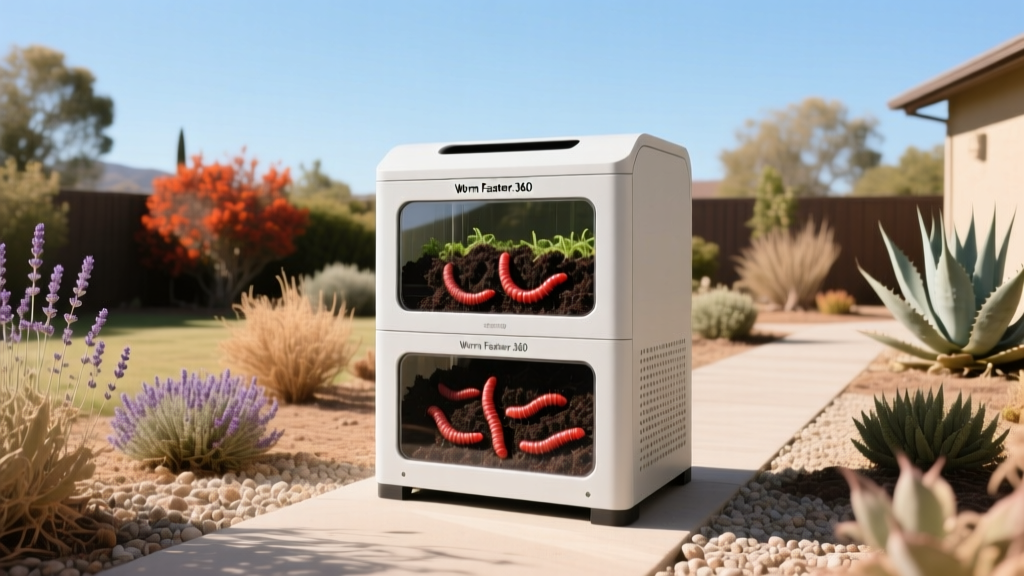
Worm Factory 360 Vermicomposting For Fire-Safe Yards 2026
James MillerPublished
As the 2026 wildfire season approaches, homeowners in fire-prone regions are re-evaluating every aspect of their defensible space. While clearing dead brush and maintaining irrigated, fire-resistant plants are standard practices, one often-overlooked hazard lurks in the backyards of well-meaning gardeners: the traditional outdoor compost pile. Dry yard waste, combined with the heat generated by active decomposition, can create a surprising ignition risk, especially when embers drift during high-wind fire events.
For gardeners seeking to enrich their soil without compromising their home's fire safety, vermicomposting with the Worm Factory 360 offers a revolutionary, fire-safe alternative. By moving the composting process indoors or into a protected garage, you eliminate outdoor fuel loads while producing premium, moisture-retaining worm castings that are essential for sustaining fire-resistant landscaping.
The Hidden Fire Hazard of Traditional Composting
According to guidelines from Ready for Wildfire, maintaining a defensible space requires the meticulous removal of dead leaves, dry grass, and woody debris within 100 feet of your home. Traditional outdoor compost bins often become catch-alls for this exact material. During dry spells, the outer layers of a compost pile can desiccate, turning into highly combustible tinder. If a wind-blown ember lands in a dry compost bin, it can easily ignite, bypassing your carefully planned defensible space and threatening your home. Furthermore, large, improperly aerated compost piles can occasionally undergo spontaneous combustion due to extreme internal heat buildup. In 2026, with extended droughts and hotter summers becoming the norm, leaving piles of decaying organic matter exposed to the elements is a risk that fire-conscious gardeners can no longer afford to take.Why the Worm Factory 360 is a Fire-Safe Alternative
The Worm Factory 360 is a multi-tray vermicomposting system that utilizes red wiggler worms (Eisenia fetida) to break down organic waste. Because it is compact, odorless, and designed for indoor, garage, or shaded patio use, it completely removes the composting process from your exterior defensible zones. Priced around $149 in 2026, the system features a vertical, stackable tray design that takes up less than two square feet of floor space. You add kitchen scraps to the top tray, and the worms migrate upward through the grid bottoms, leaving behind pure, nutrient-dense castings in the lower trays. This enclosed system ensures that no dry, flammable yard waste is left exposed to the elements, aligning perfectly with fire-safe landscaping principles.Red Wigglers and Soil Moisture Retention
Fire-resistant landscaping relies heavily on high-moisture plants like succulents, aloe, agave, and specific groundcovers like ice plant. However, these plants require soil that retains moisture deep at the root zone without becoming waterlogged. This is where vermicompost shines. Research highlighted by the Cornell Waste Management Institute demonstrates that worm castings contain humic acids and a unique microbial profile that dramatically improves soil structure. Castings act like a sponge, increasing the soil's water-holding capacity by up to 30%. When you amend the soil around your fire-resistant plants with Worm Factory 360 castings, you ensure that the plants remain deeply hydrated and less susceptible to catching fire, even during peak summer heat. Hydrated plants simply do not ignite as easily as drought-stressed ones.Step-by-Step: Setting Up Your Worm Factory 360 in 2026
Getting started with your fire-safe vermicomposting system is straightforward. Here is how to set up your Worm Factory 360 for optimal performance:1. Prepare the Bedding
Start with the provided coconut coir block. Hydrate it with water until it reaches the consistency of a wrung-out sponge. Shred some non-glossy office paper or cardboard to mix in. Fire-Safe Tip: Keep your dry paper and cardboard recycling bins inside your garage or home, never stacked against the exterior walls where they pose a fuel hazard.2. Introduce the Red Wigglers
Add 1 to 2 pounds of red wiggler worms to the first tray. Red wigglers are surface dwellers and thrive in the shallow trays of the Worm Factory 360. They can consume roughly half their body weight in organic matter daily.3. Begin Feeding
Bury food scraps under a layer of bedding to prevent fruit flies. The Environmental Protection Agency (EPA) recommends a balanced mix of greens (nitrogen-rich food scraps) and browns (carbon-rich paper or coir) to maintain a healthy, odor-free bin.4. Harvesting Castings
Once the first tray is full, add the second tray on top. The worms will naturally migrate upward toward the fresh food. After a few weeks, the bottom tray will be free of worms and full of pure castings, ready to be applied to your fire-resistant garden beds.What to Feed (and Avoid) for Fire-Safe Yards
To maintain a safe environment and healthy worms, it is crucial to know what belongs in the Worm Factory 360 and what should be disposed of via municipal green waste bins.| Category | Safe for Worm Factory 360 | Avoid (Fire/Health Hazards) |
|---|---|---|
| Kitchen Scraps | Apple cores, coffee grounds, lettuce, crushed eggshells | Meat, dairy, oily foods, citrus in excess |
| Yard Waste | Fresh, green grass clippings (in small amounts) | Dry leaves, pine needles, woody branches (Combustible!) |
| Paper/Carbon | Shredded newspaper, corrugated cardboard | Glossy magazines, treated wood, charcoal ash |
Crucial Fire-Safety Note: Never use the Worm Factory 360 to dispose of dry pine needles, dead brush, or woody prunings. These materials are highly flammable and take too long to break down in a worm bin. Instead, bag them immediately and remove them from your property to maintain your defensible space.
