Gardening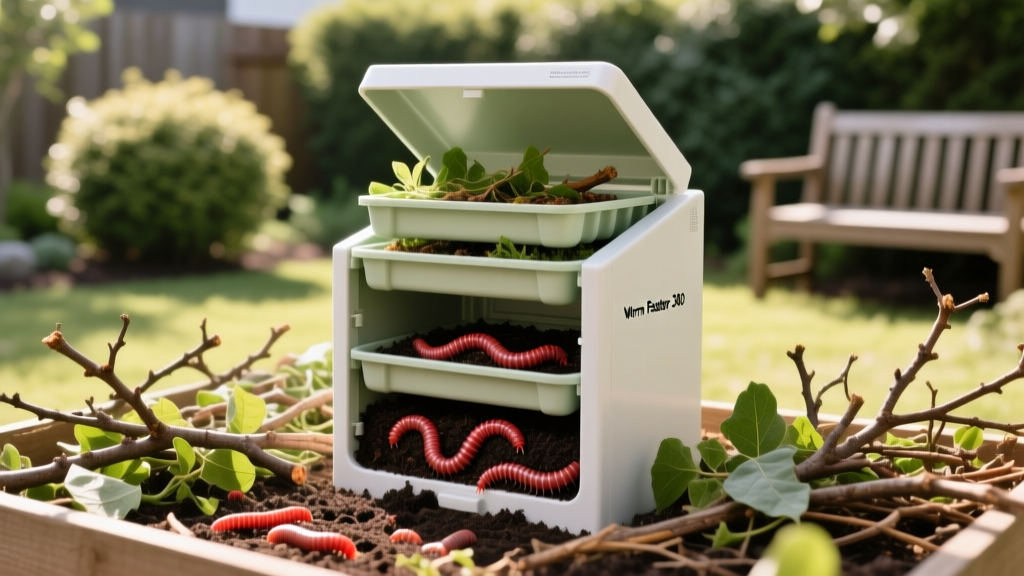
2026 Guide: Worm Factory 360 Pruning Waste Composting
Emily WatsonPublished
The Intersection of Pruning and Vermicomposting
As we navigate the 2026 gardening season, sustainable closed-loop systems are more important than ever for home growers. One of the most effective ways to close the loop in your garden is by combining strategic plant maintenance with vermicomposting. While kitchen scraps are the traditional go-to for worm bins, garden biomass—specifically the clippings generated from routine pruning—offers a massive, untapped resource for feeding red wiggler worms (Eisenia fetida).
The Worm Factory 360 remains one of the most popular tray-based vermicomposting systems on the market in 2026. Its multi-tray design, upward migration mechanism, and compact footprint make it ideal for processing a wide variety of organic matter. However, you cannot simply toss raw, woody pruning clippings into a worm bin and expect results. The methods you use to prune, the timing of your cuts, and how you prepare the resulting biomass are critical to maintaining a healthy worm colony and producing premium vermicompost.
According to Cornell University's Waste Management Institute, red wigglers thrive on decaying organic matter that has begun to soften and host microbial life. Fresh, woody pruning waste lacks the necessary microbial breakdown and can disrupt the delicate moisture and pH balance of your Worm Factory 360. This guide will bridge the gap between horticultural pruning techniques and vermicomposting best practices.
Pruning Methods: How Your Cuts Affect Worm Digestion
Different pruning methods yield vastly different types of biomass. Understanding the carbon-to-nitrogen (C:N) ratio of your clippings is essential for feeding your Worm Factory 360 effectively.
1. Thinning Cuts
Thinning involves removing an entire branch back to its point of origin (the trunk or a larger lateral branch). This method is used to open the canopy of fruit trees, roses, and shrubs to improve airflow and light penetration. The biomass generated from thinning cuts tends to be older, woodier, and higher in carbon. Because red wigglers lack the mandibles to chew through solid wood, thinning waste must be heavily processed or pre-composted before entering the worm bin.
2. Heading Cuts
Heading cuts involve snipping off the terminal ends of branches to encourage lateral branching and bushier growth. This is common when shaping hedges or promoting floral blooms on shrubs. The clippings from heading cuts are generally younger, greener, and higher in nitrogen. While softer than thinning waste, these clippings can still be somewhat fibrous and may heat up rapidly if added to the Worm Factory 360 in large, unprocessed quantities.
3. Pinching and Deadheading
Pinching (removing soft new growth with your fingers) and deadheading (removing spent flowers) generate the softest, most nitrogen-rich, and moisture-dense biomass. This material is the equivalent of premium kitchen scraps for your red wigglers. It breaks down rapidly and requires minimal preparation before being added to the top tray of your Worm Factory 360.
Seasonal Pruning Timing and Worm Feeding Schedules
Timing your pruning to align with your worm bin's capacity and environmental conditions is a hallmark of advanced garden management. Here is how to schedule your pruning and feeding throughout the 2026 calendar year.
Spring: Dormant Pruning and Softwood Harvest
Early spring is the time for dormant pruning of summer-flowering shrubs and fruit trees. You will generate a high volume of woody material. Do not feed this directly to your worms. Instead, run these clippings through a garden shredder and use them as a carbon-rich 'browns' layer in your outdoor compost pile, or use them as mulch. As late spring arrives and you begin pinching back herbs and deadheading early bulbs, transition this soft green waste directly into the Worm Factory 360 to boost nitrogen levels after a winter of heavy carbon feeding.
Summer: Active Growth and Maintenance
Summer pruning is largely about maintenance: deadheading annuals, trimming back overgrown perennials, and harvesting herbs. The biomass generated in summer is exceptionally high in moisture and nitrogen. When feeding summer pruning waste to your Worm Factory 360, balance it with shredded cardboard or dry coconut coir to prevent the bin from becoming anaerobic and waterlogged.
Autumn: Hard Pruning and Perennial Dieback
Autumn brings the removal of spent annuals and the cutting back of herbaceous perennials. This material is often semi-woody and begins to dry out. Chop these stems into half-inch pieces and pre-soak them in water for 48 hours before adding them to the worm bin. This jumpstarts the microbial breakdown process that the red wigglers rely on for digestion.
Winter: Indoor Maintenance
Winter pruning is mostly limited to indoor houseplants and dormant outdoor trees. Houseplant trimmings are excellent, soft worm food. However, avoid pruning toxic houseplants (like Dieffenbachia or Caladium) and feeding them to your worms, as the sap can harm the colony.
Preparing Pruning Biomass for the Worm Factory 360
The golden rule of vermicomposting pruning waste is: the smaller the pieces, the faster the castings. As noted by Penn State Extension, increasing the surface area of organic matter accelerates microbial colonization, which in turn feeds the worms. Follow these preparation steps for your Worm Factory 360:
- Chopping: Use heavy-duty bypass pruners to cut all softwood and herbaceous pruning waste into pieces no larger than 1 inch. For tougher stems, a motorized garden shredder is a worthwhile investment for the 2026 season.
- Pre-Soaking: Woody or semi-woody clippings are naturally hydrophobic. Soak them in a bucket of rainwater for 24 to 48 hours until they are fully saturated before adding them to the bin.
- Pre-Composting (Fermentation): For larger volumes of autumn perennial cutbacks, place the chopped material in a sealed bucket with a handful of existing worm castings and a splash of water. Let it sit for a week. This 'fermentation' softens the cellulose, making it highly palatable for red wigglers.
- Toxicity Check: Never add pruning waste from Black Walnut trees (contains juglone), Cedar, Arborvitae, or Pine to your worm bin. The natural resins and allelopathic chemicals in these woods are highly toxic to Eisenia fetida and will cause a mass die-off.
Managing the Worm Factory 360 in 2026
In 2026, the Worm Factory 360 base unit (which includes 4 trays) retails for approximately $140 to $160, depending on seasonal sales. It is expandable up to 7 trays, making it robust enough to handle the pruning waste of a moderate-sized urban or suburban garden.
When feeding pruning waste, utilize the 'pocket feeding' method. Pull back the top layer of bedding in one corner of the active tray, deposit your prepped pruning clippings, and cover them completely with bedding and a handful of existing castings. This deters fruit flies and maintains an even moisture gradient across the tray. Rotate your feeding pockets weekly to ensure even distribution of nutrients and worm activity.
Data Table: Pruning Waste to Worm Food Conversion
| Pruning Method | Target Plants | Biomass Type | C:N Ratio | Worm Factory 360 Prep |
|---|---|---|---|---|
| Deadheading | Roses, Marigolds, Zinnias | Soft Floral Tissue | Low Carbon (Nitrogen-rich) | Chop roughly; feed directly. |
| Pinching | Basil, Mint, Coleus | Soft Green Stems | Low Carbon (Nitrogen-rich) | Feed directly; monitor moisture. |
| Heading Cuts | Boxwood, Hydrangea | Semi-Woody Stems | Balanced | Chop to 1/2 inch; pre-soak 24 hrs. |
| Thinning Cuts | Apple Trees, Oak | Hard Wood / Bark | High Carbon | Shred; use as outdoor mulch or pre-compost for 3+ months. |
| Perennial Dieback | Hostas, Daylilies | Fibrous, Drying Stems | Moderate Carbon | Chop; ferment in sealed bucket for 1 week. |
Troubleshooting Common Issues with Pruning Waste
Even with careful preparation, introducing garden biomass to an enclosed system like the Worm Factory 360 can present challenges. Here is how to troubleshoot the most common issues:
The Bin is Overheating
If you add too much fresh, green heading-cut waste at once, the high nitrogen content can trigger a thermophilic (hot) composting reaction. Red wigglers will flee the tray or die if temperatures exceed 90°F (32°C). Solution: Mix green pruning waste with at least a 2:1 ratio of shredded, unbleached cardboard or dry autumn leaves to absorb excess nitrogen and moisture.
Clippings Are Molding but Not Disappearing
If your pre-soaked semi-woody clippings are developing thick, fuzzy white or green mold but the worms are ignoring them, the material is too acidic or the pieces are too large. Solution: Sprinkle a light dusting of agricultural lime (calcium carbonate) over the tray to buffer the pH, and use a hand trowel to break the clippings down further into the bedding.
Ant Infestations
Outdoor pruning waste often harbors ant eggs or foraging ants. If introduced to the Worm Factory 360, ants will compete with the worms for food and can dry out the bin. Solution: Freeze your prepped pruning clippings in a sealed bag for 48 hours before feeding them to the worms. This eliminates pests without degrading the nutritional value of the plant tissue.
Conclusion
Vermicomposting is not just a method for disposing of kitchen scraps; it is a vital component of holistic garden management. By aligning your 2026 pruning methods and seasonal timing with the biological needs of red wiggler worms, you transform garden waste into a potent, biologically active fertilizer. The Worm Factory 360 provides the perfect controlled environment to process this biomass, provided you respect the necessary preparation steps. Master the chop, balance your carbon and nitrogen, and watch your pruning waste turn into black gold for your garden.
